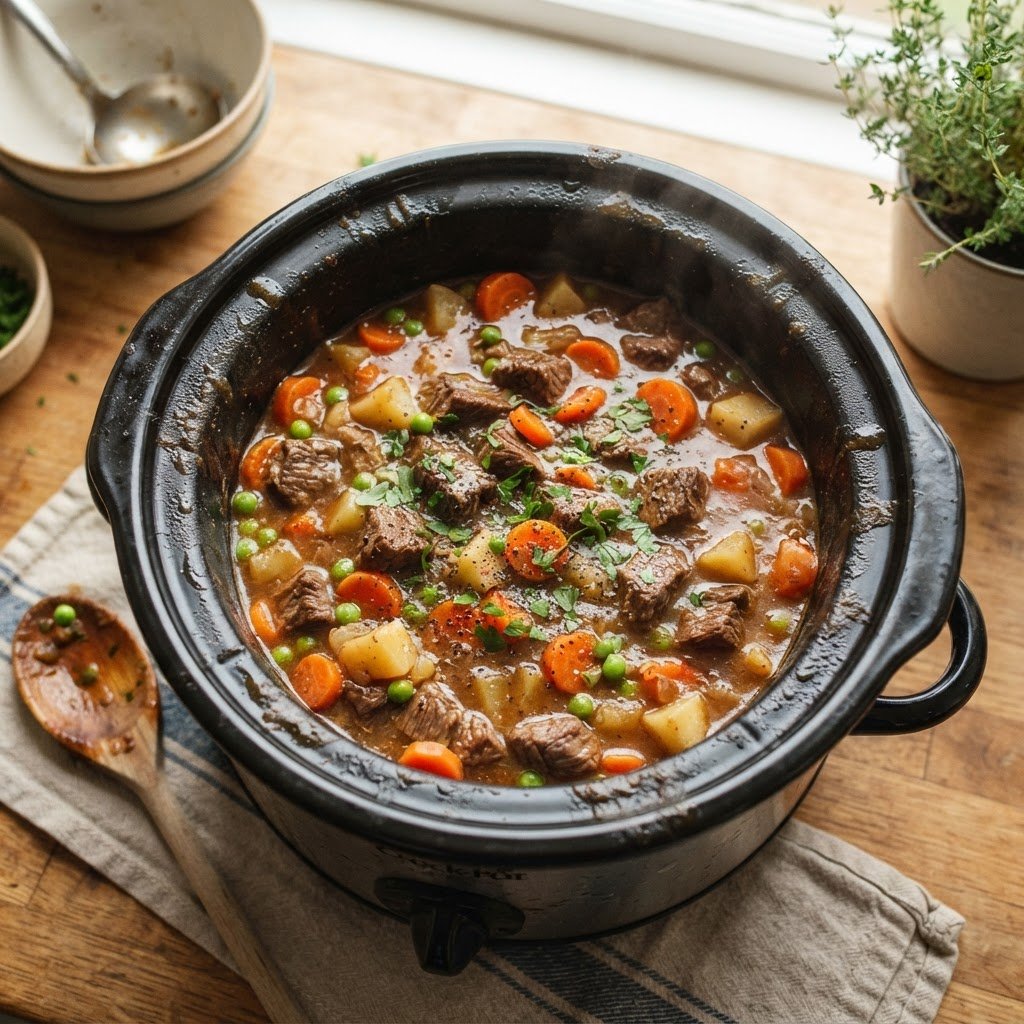
Creating delicious slow cooker meals is achieved by combining 3 lbs of chuck roast with a 16 oz bag of frozen vegetables, using the ‘dump and go’ method to yield a tender, gourmet-quality dinner in 8 hours. This approach requires minimal prep and cleanup, making it the ideal solution for busy households seeking healthy, hearty, homemade meals.
The Magic of Simple Dump Dinners
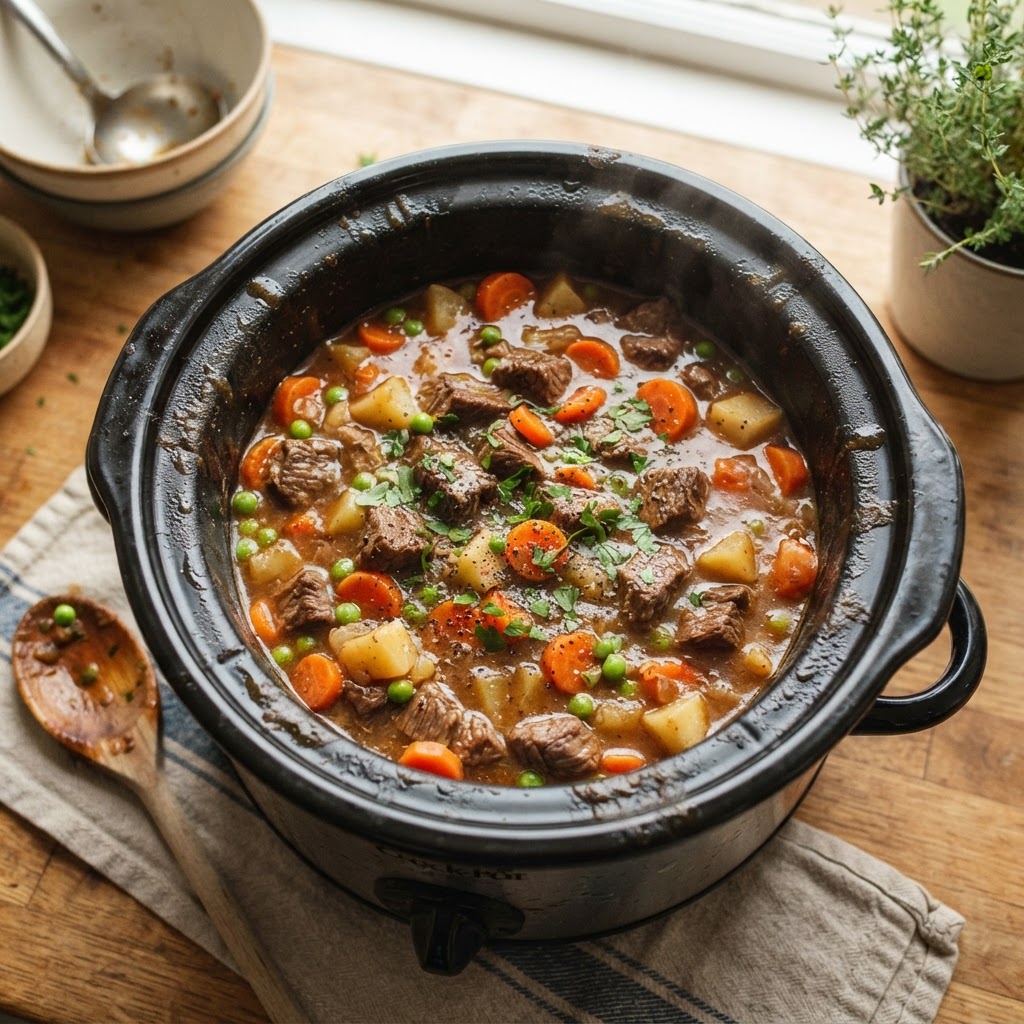
Successful slow cooker meals rely on the ‘dump and go’ technique, where preparation is kept to an absolute minimum for maximum flavor. When you choose quality cuts like chuck roast and combine them with frozen vegetable medleys, the long, gentle cooking process transforms humble ingredients into something truly gourmet. This method is a game changer for your kitchen routine, whether you are a professional looking for easy work night meals or a parent managing food for 30 for a holiday gathering. By choosing slow cooking, you utilize low, consistent heat—typically between 190°F and 210°F—to break down tough collagen in beef, resulting in a succulent texture that high-heat cooking methods often ruin. This technique allows home cooks to maximize productivity during the day while ensuring a nutrient-dense, flavorful dinner is ready exactly when needed.
Why Dump Dinners Work
Many beginner cooks often ask how to use a slow cooker effectively without losing flavor. The key is to resist the urge to peek; every time you lift the lid, you lose precious heat, which adds 20 minutes to your cook time and interrupts the essential moist-heat environment required for tenderizing meat. These easy dump and go slow cooker recipes are designed to be set and forgotten, making them perfect for those seeking healthy crockpot dump meals that fit into a tight schedule. Because the cooking environment is sealed, flavors intensify over the 8-hour window, creating a depth of savory broth that acts as a natural sauce for the beef and vegetables.
Step-by-Step Recipe Instructions
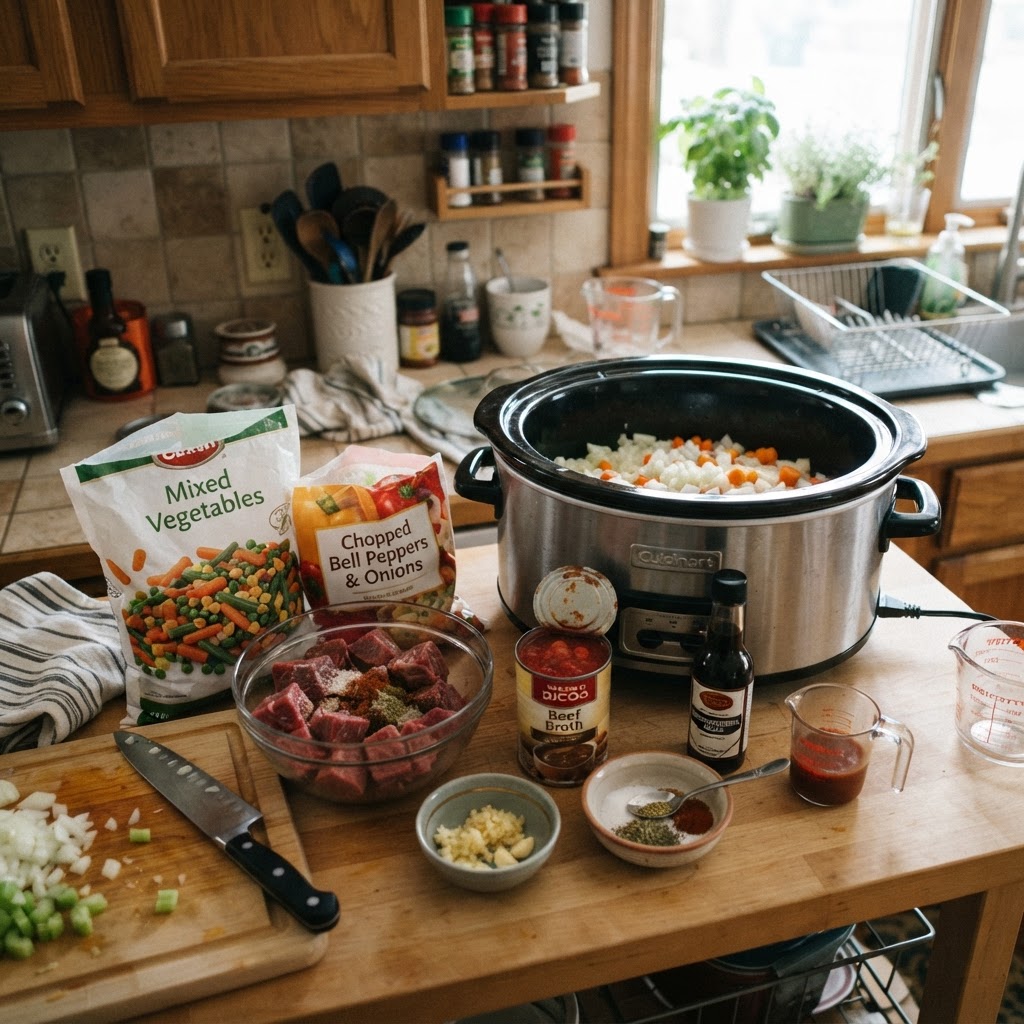
Ingredients You’ll Need
- 3 lbs beef chuck roast, cut into 1-inch cubes
- 2 tablespoons olive oil
- 1 large yellow onion, chopped
- 3 cloves garlic, minced
- 4 cups beef broth
- 1 tablespoon Worcestershire sauce
- 2 teaspoons dried thyme
- 1 teaspoon kosher salt
- 0.5 teaspoon freshly ground black pepper
- 4 large carrots, peeled and sliced into rounds
- 3 large russet potatoes, peeled and cut into 1-inch chunks
- 2 tablespoons all-purpose flour
- 1 tablespoon fresh parsley, chopped
Follow this clear, step-by-step guide to prepare this dish perfectly every time.
Mastering Beef and Vegetable Combinations
If you enjoy the convenience of this recipe, you might also like exploring our collection of easy 5-ingredient dump dinners to further simplify your meal planning. For a slightly richer variation, you might also want to try our easy slow cooker beef tips and gravy recipe for a hearty and comforting meal.
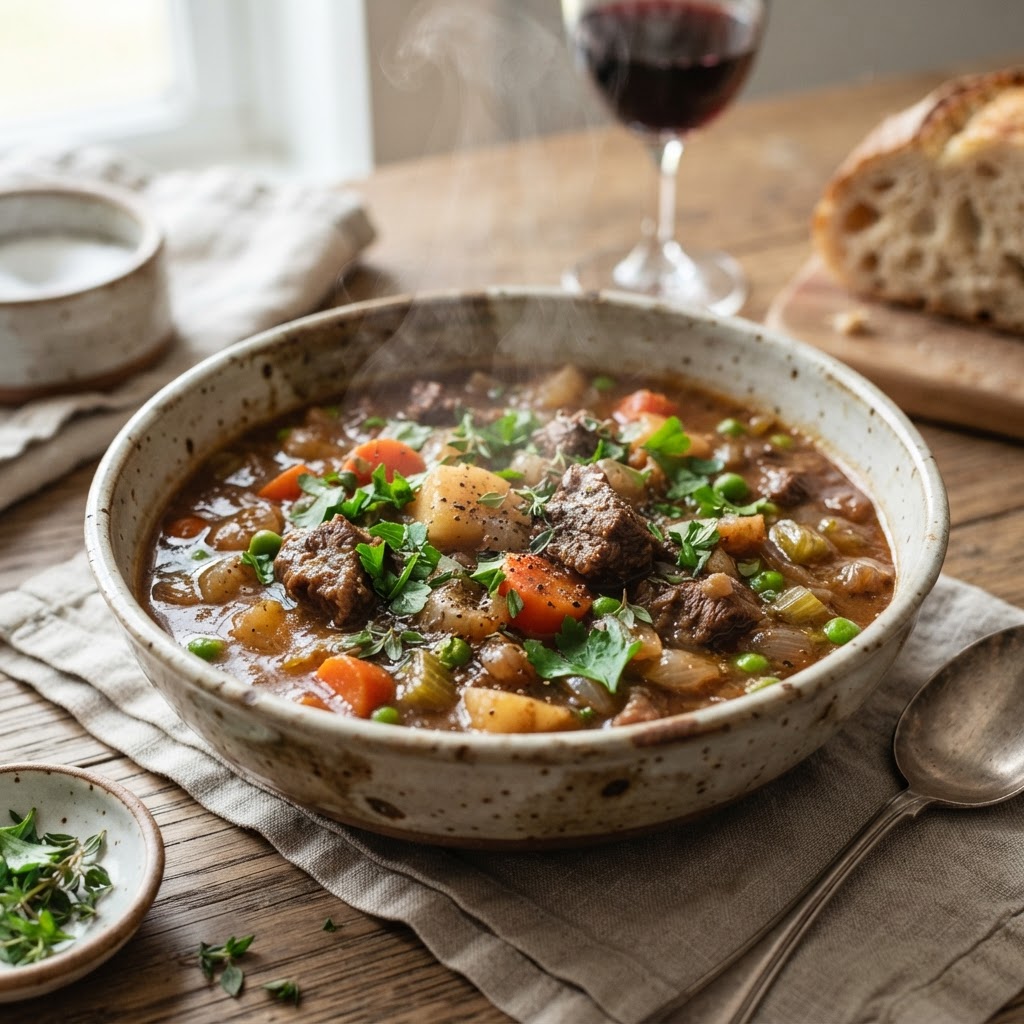
When planning your next meal, knowing what to make with diced beef can open up a world of possibilities ranging from casual weeknight dishes to elegant Sunday roasts. You can experiment with different flavor profiles, from a classic beef stew recipe to a zesty beef stir fry using easy crock pot techniques. For those who want more variety, you can also explore recipes with smoked sausage dinners, ravioli and kielbasa, or even Polish sausage dinner ideas to keep your rotation fresh. By diversifying your protein intake—such as rotating between grass-fed beef, pork shoulder, and turkey breast—you balance your nutritional profile while utilizing the same fundamental cooking technique. Using a 3-quart to 6-quart slow cooker allows for uniform heating, ensuring that vegetables and meats cook at comparable rates when layered correctly, with roots at the bottom and softer veggies near the top.
Understanding Your Beef Cuts
Choosing the right meat is essential for achieving the most tender roast crock pot results. While many people reach for strip steak crockpot recipes, tougher cuts like chuck are actually better suited for long-term simmering. By selecting a roast without beef broth and relying on the juices from frozen vegetables, you can create a healthier, more concentrated flavor profile that mimics the best tender pot roast. Tough cuts contain higher concentrations of connective tissue and marbling, which melt into the liquid over 6-8 hours, providing a richness that leaner, more expensive cuts lack. If you are aiming for a specific texture, remember that stew meat is usually pre-cut chuck roast, saving you prep time, whereas a whole chuck roast allows you to control the size of your chunks, preventing the meat from falling apart too early in the cycle.
Beyond Beef: Exploring Sausage and Pork
If you are feeling adventurous, there are countless smoked sausage ideas that pair beautifully with vegetables in your slow cooker. From sausage alfredo ravioli to simple kielbasa and ravioli recipes, the versatility of these ingredients is unmatched. Don’t overlook pork, either; slow cooker pork tenderloin or a hearty pork loin recipe is a fantastic way to vary your dinner menu throughout the week. For those looking for something global, try incorporating lomo de cerdo recetas or a savory pork roast in slow cooker recipes with potatoes and carrots for an all-in-one feast. Pork shoulder or ‘Boston Butt’ is particularly well-suited for the slow cooker, often requiring 10 hours on low for a ‘pulled’ consistency that is perfect for sandwiches or tacos. When working with sausages, pierce the casing with a fork before adding to the pot to ensure the spices and oils infuse the surrounding vegetables evenly without splitting the meat entirely during the long cooking process.
Gourmet Comfort Food at Home
Elevating your slow cooker dishes can be as simple as adding a splash of red wine or a dollop of Dijon mustard to create a fancy beef stew or an elegant beef stew recipe. You don’t need expensive cuts to achieve gourmet beef stew flavors. Instead, focus on techniques like searing your beef first to create a deep, complex foundation, which is a hallmark of the best Crockpot recipes for family of 4. Deglazing the searing pan with wine or balsamic vinegar releases the ‘fond’—the caramelized bits left on the pan—which adds a layer of umami that elevates the dish from basic to professional. Incorporating fresh herbs like rosemary or thyme in the final hour of cooking also preserves their volatile oils, ensuring a brightness that often gets lost in long-duration cooking, providing a much more sophisticated finish to your home-cooked meals.
Creating International Flavors
International recipes in a crockpot, such as a massaman beef curry or a spicy chicken tikka masala, are incredibly rewarding. Learning how to make lamb curry in a crock pot or experimenting with slow cooker beef massaman allows you to bring global tastes to your table with minimal hassle. These simple slow cooker meals prove that you can achieve healthy, filling soup recipes and exotic main dishes without owning a massive culinary library. By substituting beef broth for coconut milk in curries or using harissa paste for North African-inspired stews, you can transform standard pantry staples into complex, worldly dishes. The key is to match the spice intensity with the duration of the heat; pungent spices like cardamom or cloves should be used sparingly in long-cook cycles as their flavor profile can become overwhelming if exposed to heat for the full 8-hour duration.
Streamlining Your Kitchen Workflow
To make your life easier, prioritize easy 8-hour crockpot recipes that allow you to prepare dinner in the morning and have it ready when you get home from work. Utilizing dump and go crockpot dinners for two or larger batch meals for family gatherings is all about prep efficiency. If you find yourself bored of lunch slow cooker recipes, try prepping individual portions in smaller containers for the week ahead. Effective batch cooking involves cooling your food to room temperature (below 140°F) within two hours before refrigerating to ensure food safety. By using freezer-safe silicone bags for your raw ingredients, you can essentially create ‘ready-to-dump’ packets in your freezer, which defrost naturally while sitting in the slow cooker during the first hour of the heating cycle, further reducing daily effort to under 60 seconds.
FAQ
Q: Can I put frozen vegetables directly into a slow cooker?
Yes, you can safely add frozen vegetables directly to your slow cooker meals at the start of the cook time. They will release moisture as they thaw, acting as a natural basting agent for the meat while maintaining their structural integrity better than fresh, delicate greens.
Q: What is the best cut of beef for slow cooking?
Chuck roast is widely considered the superior choice for slow cooking due to its high connective tissue and fat content. As these elements break down during the long heating process, they provide a rich mouthfeel and succulent texture that leaner cuts like sirloin cannot achieve.
Q: How do I prevent my slow cooker meals from being watery?
To minimize excess liquid, sear your meat first to seal in juices and reduce the volume of added broth or water. Because frozen vegetables and meat both release water during the thaw process, using approximately 25% less liquid than a standard pot recipe usually yields a thicker, more concentrated sauce.
Q: Are slow cooker dump meals healthy?
Slow cooker meals become highly nutritious when you emphasize fresh, lean proteins and a wide variety of fiber-rich vegetables. By preparing the meals yourself rather than using canned soups as a base, you can keep sodium levels below 500mg per serving and eliminate processed preservatives.
Q: How long should I cook a beef roast in the slow cooker?
For standard beef roasts, aim for 8 to 10 hours on the low setting to achieve a fork-tender result without toughening the fibers. Cooking on low is consistently better than high, as it provides a gentler heat gradient that prevents the exterior from drying out before the interior reaches tenderness.