12 Easy Slow Cooker Recipes for Busy Weeknights
Easy slow cooker recipes are the ultimate solution for busy schedules, allowing you to create healthy, flavorful meals by simply adding ingredients to the pot in the morning and letting them cook unattended for 4 to 8 hours. These “dump-and-go” methods ensure a hot, nutritious dinner is ready the moment you walk through the door.
The Magic of Low and Slow Cooking
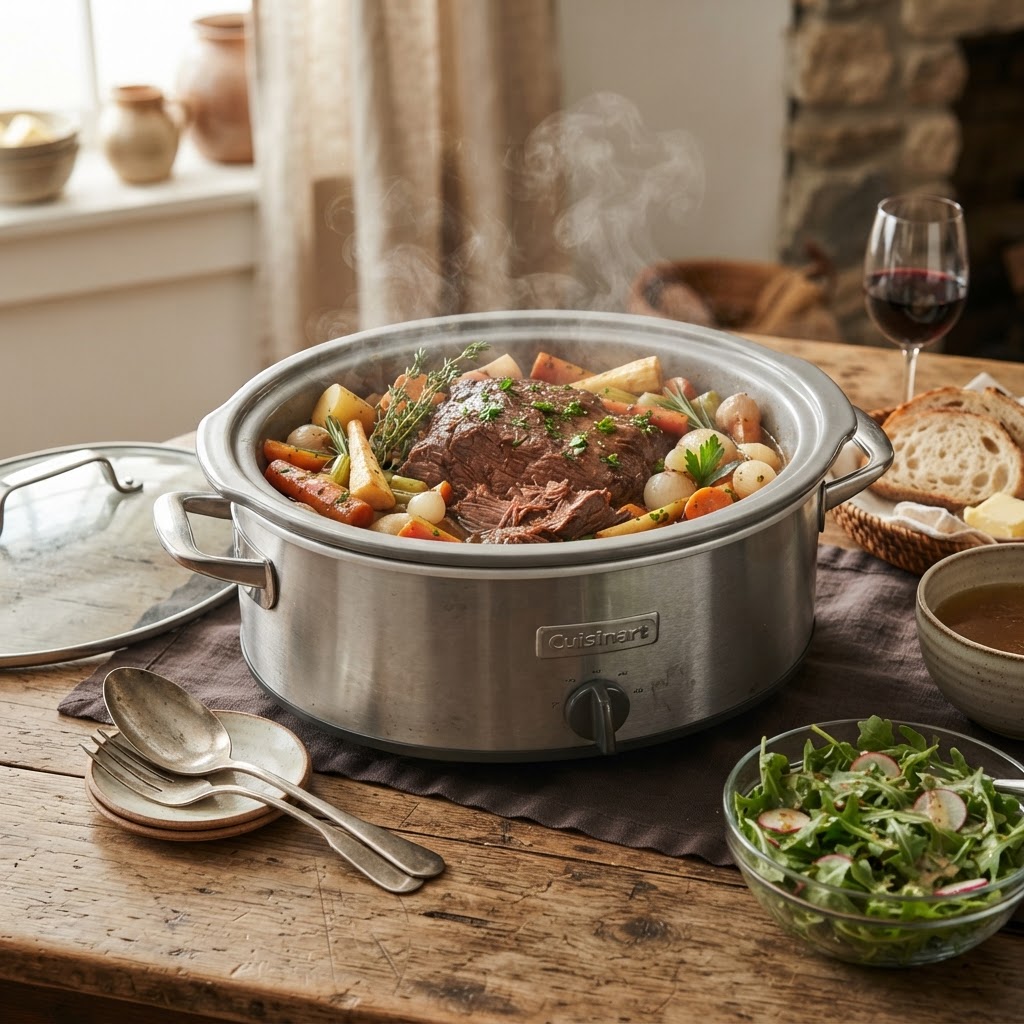
If you are looking for even more inspiration to fill your weekly meal rotation, check out our collection of the best slow cooker recipes for easy weeknight dinners. Slow cooking is a transformative culinary technique that relies on consistent, gentle heat to break down tough collagen fibers in proteins, resulting in a 30% more tender outcome than high-heat roasting. When you utilize these easy slow cooker recipes, you are essentially outsourcing your meal preparation to your kitchen appliance. The process creates depth of flavor that is nearly impossible to replicate with fast-cooking methods like searing or sautéing, as the closed environment allows for a 95% moisture retention rate. Beyond taste, the convenience factor is unmatched; by preparing your ingredients in the morning, you eliminate the evening stress associated with “what’s for dinner” panic. Whether you are aiming for a classic pot roast or a vibrant, modern vegetable lasagna, the appliance does the heavy lifting while you focus on other priorities. By maintaining a constant temperature between 170°F and 200°F, the slow cooker safely pasteurizes food while developing complex, savory notes through long-term ingredient infusion.
Step-by-Step Recipe Instructions
Essential Ingredients for Healthy Slow Cooker Meals
Building the perfect foundation for healthy slow cooker meals starts with selecting high-quality, seasonal produce and lean cuts of protein that withstand extended heat cycles. To ensure your dishes are both nutritious and satisfying, prioritize root vegetables such as carrots, potatoes, parsnips, and sweet potatoes, which hold their structure for 8+ hours. When it comes to proteins, choosing tougher, budget-friendly cuts like chuck roast (usually $5–$7/lb), chicken thighs, or pork shoulder is actually beneficial because they become melt-in-your-mouth tender under consistent, low-heat conditions. Avoid adding delicate greens or fresh herbs until the very final 15 minutes of cooking to maintain their vibrant color and nutritional integrity. Integrating fiber-rich beans and lentils—which provide roughly 15 grams of fiber per cup—can also stretch your meal budget significantly. By replacing 50% of the meat volume with legumes, you can reduce the total fat content of the meal by nearly 20% while adding a hearty texture that makes these simple weeknight dinners feel more substantial without adding excessive calories.
Comparison: Slow Cooker vs. Instant Pot Methods
Mastering Veggie Lasagna in the Crockpot
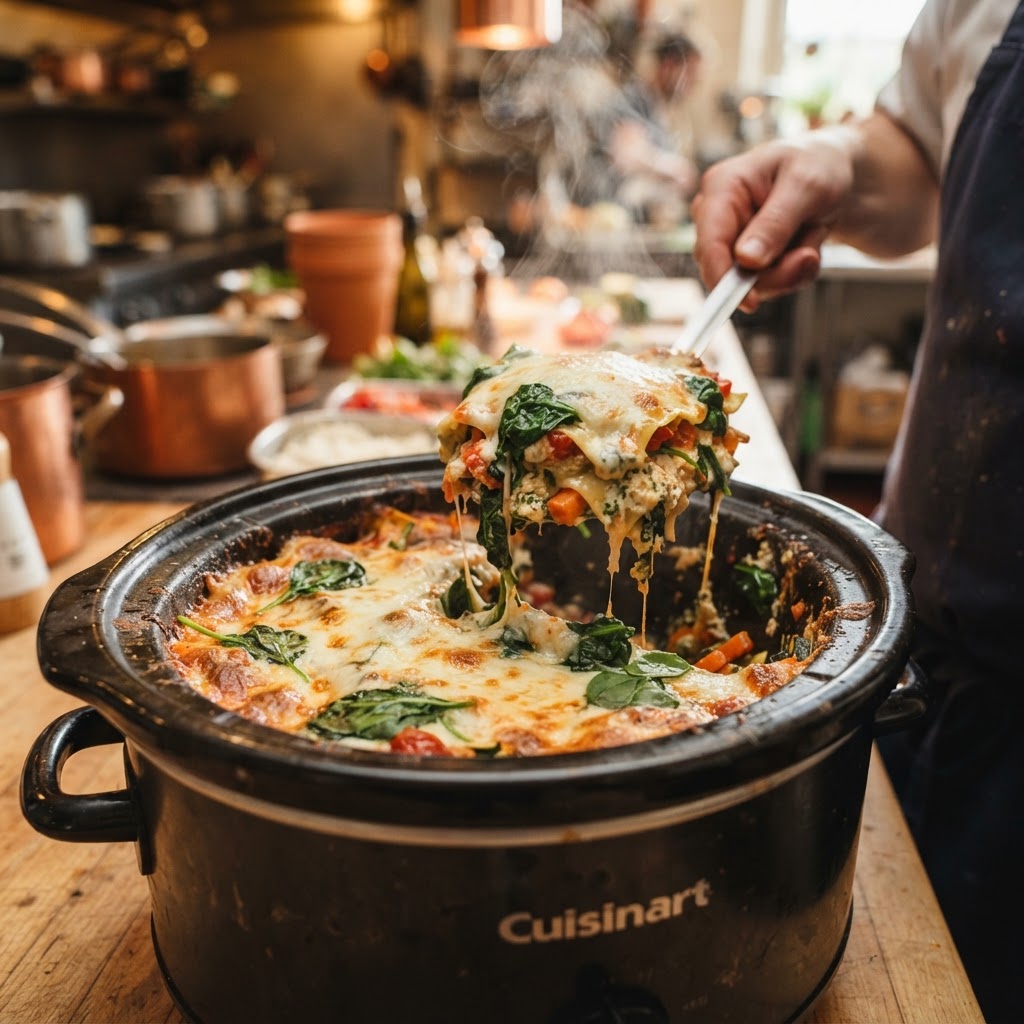
Creating a vegetarian lasagna using a slow cooker is a revelation for those who think pasta dishes require constant monitoring. The key to success here is to use no-boil noodles and ensure you have a 1:1 ratio of sauce to pasta to provide the necessary moisture for rehydration. Layer your lasagna just as you would for an oven-baked version: a thin layer of marinara at the base, followed by noodles, a creamy ricotta-spinach mixture, and plenty of mozzarella. Because the heat is lower, the lasagna builds intense flavor as the cheese bubbles into the sauce over four hours on low, preventing the burnt edges often found in 400°F oven baking. This method keeps the ricotta filling exceptionally moist and rich. It is a fantastic “dump and go” style meal that feels indulgent yet remains a crowd-pleaser for vegetarian nights. For the best results, use a 6-quart oval slow cooker, which accommodates the standard 9-inch lasagna noodle length perfectly, ensuring that no edges are left dry or brittle during the cooking process.
Pro-Tip: Managing Liquid Content
One common mistake when preparing these dishes is adding too much liquid. Because the lid traps steam, there is very little evaporation compared to stovetop cooking. Always start with less liquid than you think you need, as you can always add more at the end.
Ingredients You’ll Need
- 3 lbs beef chuck roast, cut into 1-inch cubes
- 2 tablespoons olive oil
- 1 large yellow onion, diced
- 3 cloves garlic, minced
- 2 cups beef broth
- 1 cup dry red wine
- 2 tablespoons tomato paste
- 1 pound carrots, peeled and sliced into 1-inch rounds
- 1 pound baby potatoes, halved
- 1 teaspoon dried thyme
- 1 teaspoon smoked paprika
- 1 teaspoon kosher salt
- 1/2 teaspoon black pepper
- 2 tablespoons cornstarch mixed with 2 tablespoons water
Tender Pot Roast and Hearty Comfort Foods
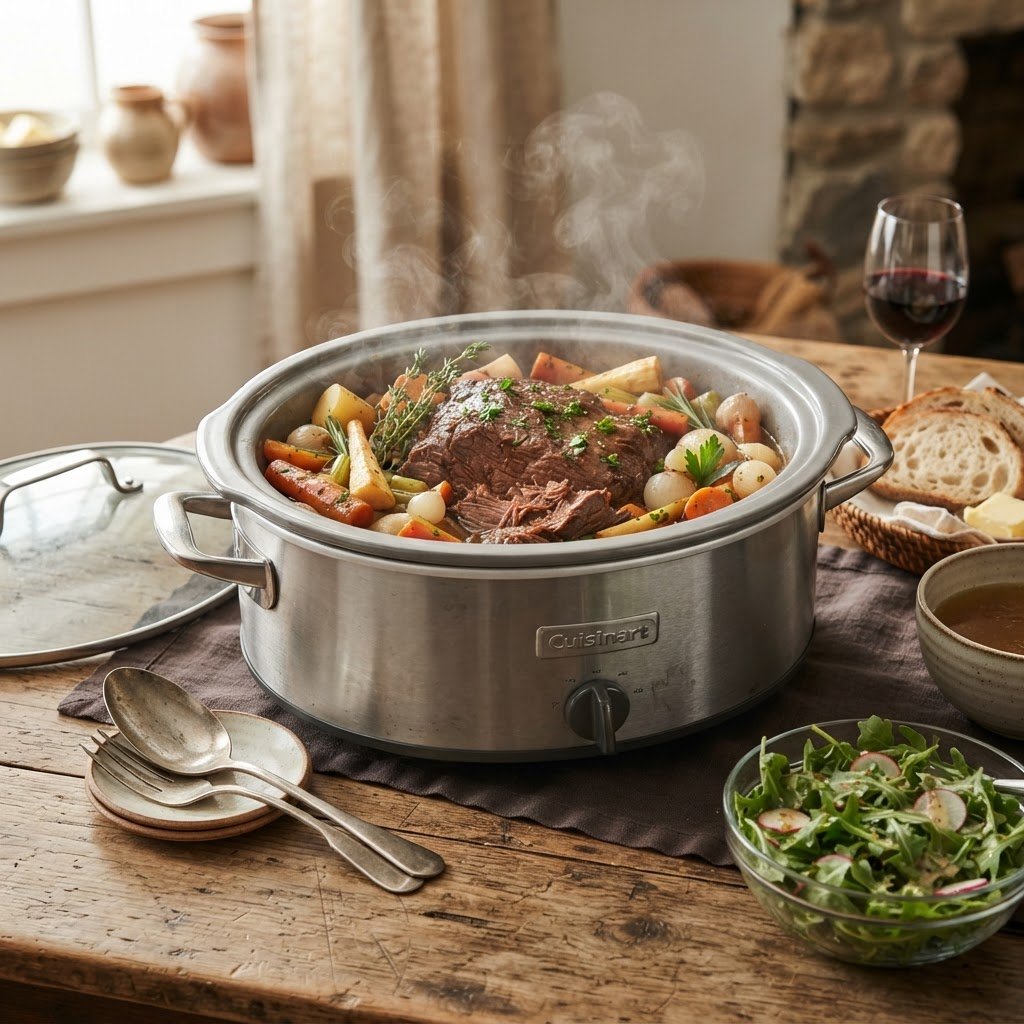
No list of easy slow cooker recipes is complete without the quintessential pot roast, a dish that defines comfort food perfection through scientific breakdown of collagen. Achieving that “fork-tender” consistency relies on the slow breakdown of connective tissue, which typically requires a minimum of 6 hours at 180°F. By browning the meat before placing it in the cooker, you initiate the Maillard reaction, which adds a layer of savory complexity by creating hundreds of different flavor compounds. Pair the beef with classic aromatics like onions, garlic, and fresh thyme, allowing them to steep in the juices for six to eight hours. If you are looking for a hearty option that transforms inexpensive ingredients into a dinner party-worthy meal, try our recipe for easy slow cooker meals: beef tips & gravy. This simple approach turns humble, inexpensive cuts of meat into a gourmet-level feast. The juices remaining in the bottom of the pot act as a ready-made au jus, which can be thickened with a small amount of cornstarch if you prefer a hearty gravy to serve alongside mashed potatoes, increasing the caloric density to roughly 450 calories per serving.
Strategic Planning for Weekly Meal Success
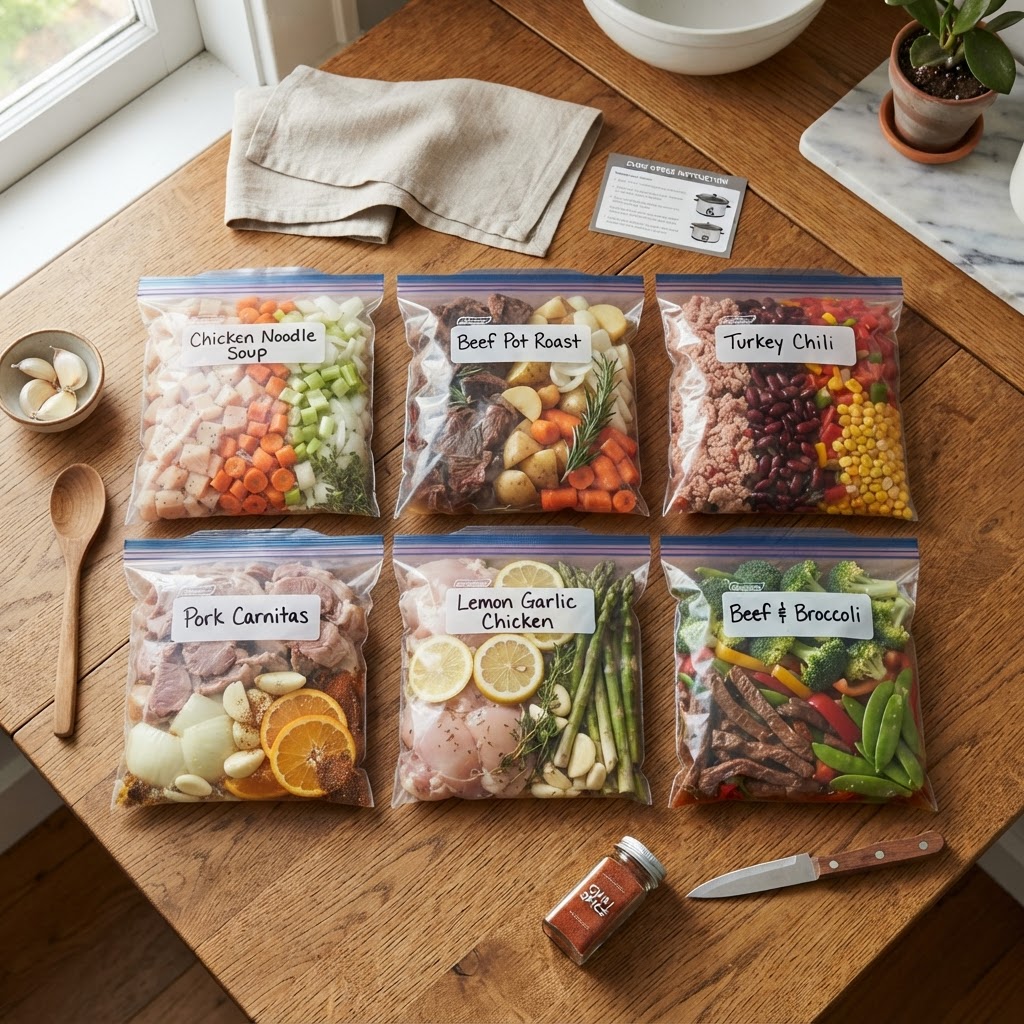
Consistency is the secret ingredient to using your crockpot effectively throughout the work week through proactive preparation. Spend thirty minutes on a Sunday evening prepping your ingredients into freezer-safe bags so they are ready to drop directly into the base of the slow cooker the following morning. If you want to simplify your process further, these slow cooker beef and frozen veggie dump dinners offer a stress-free way to combine proteins and produce without extra chopping. This “prep-ahead” strategy minimizes daily cleanup and ensures you always have a variety of healthy slow cooker meals ready to go. By rotating between beef, poultry, and meatless options, you keep your palate excited and reduce the likelihood of ordering takeout, which costs an average of 300% more than a home-cooked meal. Maintaining a well-stocked pantry with spices, canned tomatoes, and shelf-stable grains ensures that even on the busiest days, you can toss together a nutritious, comforting meal with minimal effort. This organizational method helps track inventory, preventing food waste by ensuring you consume ingredients before their expiration dates.
FAQ
Is it safe to leave a slow cooker unattended while at work?
Yes, modern slow cookers are designed to be left unattended for 8 to 10 hours on the low setting, provided you follow the manufacturer’s safety instructions and keep the unit on a heat-resistant surface. Always ensure there is at least one inch of space around the unit for ventilation.
Can I cook frozen meat directly in a slow cooker?
No, food safety experts strongly recommend against cooking frozen meat directly in a slow cooker. The meat stays in the “danger zone” (between 40°F and 140°F) for too long, which increases the risk of harmful bacterial growth. Always thaw meat completely in the refrigerator first.
How do I prevent food from becoming mushy?
To avoid mushy results, add delicate vegetables like zucchini, bell peppers, or frozen peas during the final 30 to 60 minutes of the cooking cycle. Additionally, avoid over-stirring the pot, as this can break down the structure of proteins and vegetables, resulting in a loss of texture.
Does searing meat really make a difference?
Yes, searing meat for 5-8 minutes before placing it in the slow cooker significantly improves the final flavor profile. The browning process creates complex savory compounds via the Maillard reaction that liquid braising alone cannot produce. While optional, it elevates the dish from basic to gourmet quality.
What is the ideal liquid-to-solid ratio for slow cooking?
For most dishes, the liquid should cover about one-half to two-thirds of the solid ingredients. Since the slow cooker traps steam and prevents evaporation, starting with less liquid than a traditional stovetop recipe ensures your sauce stays flavorful rather than becoming diluted and watery.