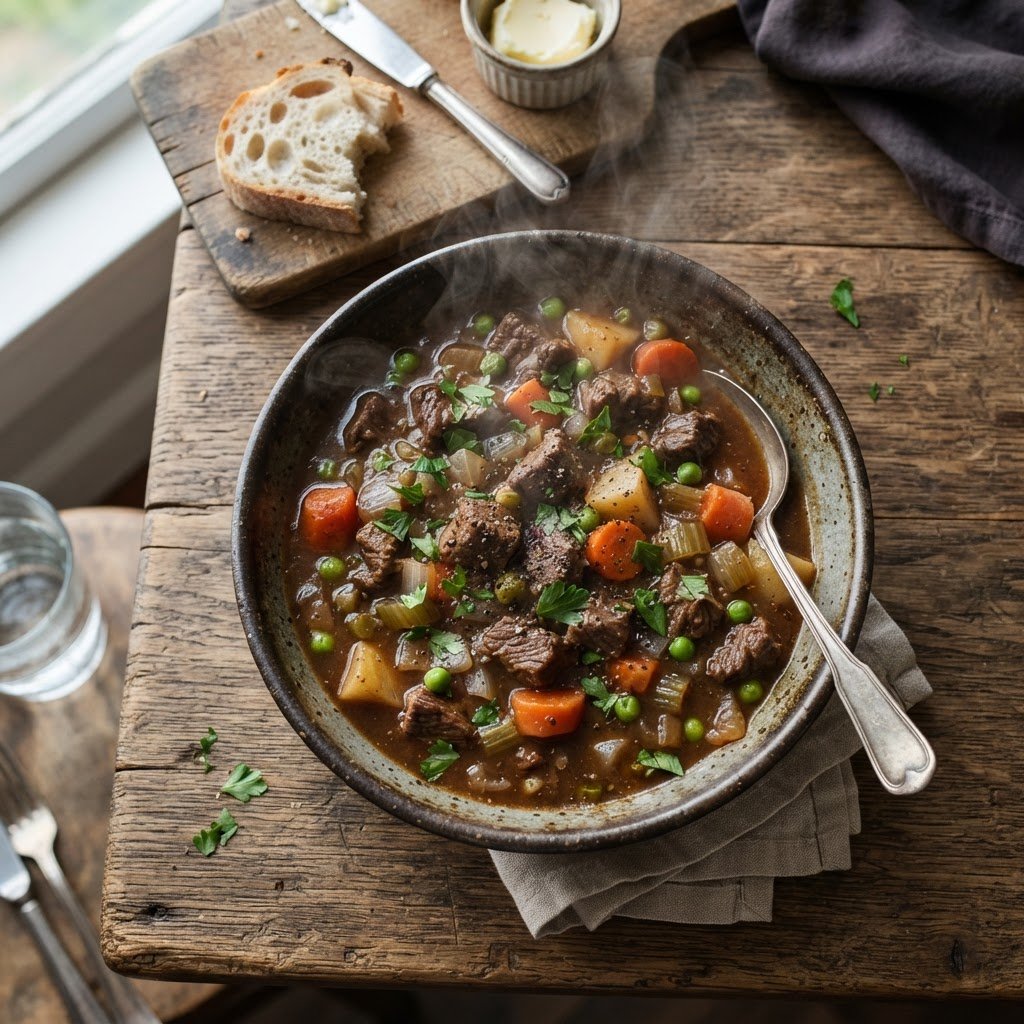
This thick and hearty slow cooker beef stew is the ultimate comfort food, featuring succulent, melt-in-your-mouth beef simmered in a rich, savory broth. By layering root vegetables with high-quality chuck roast and a secret thickening technique, you can easily achieve restaurant-quality results at home with minimal effort for a perfect winter meal.
The Secret to Perfect Beef Stew
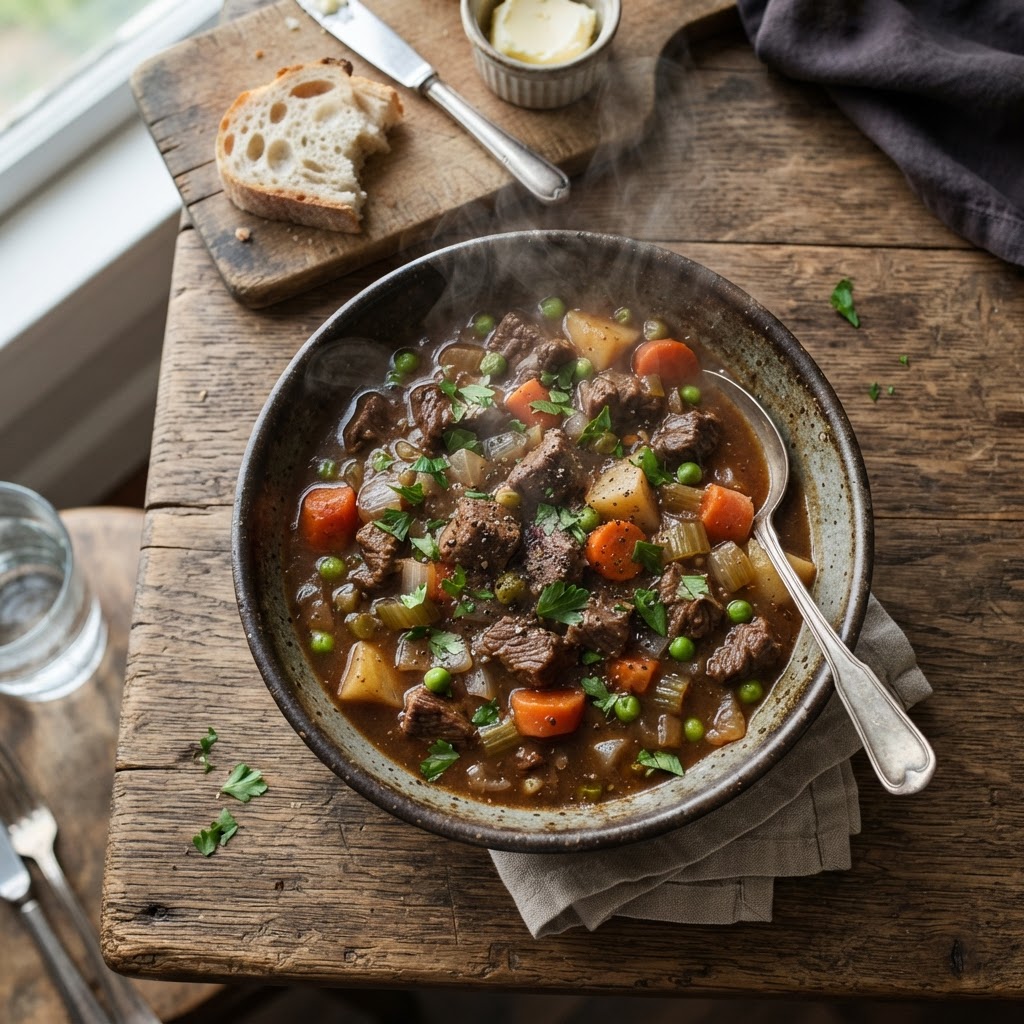
Achieving the perfect texture starts with choosing the right cut of meat and searing it properly before it hits the slow cooker. Many home cooks skip the searing step, but this is a critical mistake that prevents the development of complex, caramelized flavors. When you sear your beef in a hot skillet until it develops a deep brown crust, you are creating fond, which adds immense depth to your finished gravy. For the most tender beef stew recipe, always opt for beef chuck roast, which contains sufficient connective tissue to break down into silky, gelatinous goodness during the long cooking process. Avoid lean cuts like sirloin, as they will dry out and become tough during the extended cook time required for a slow cooker. Always cut your beef into uniform, bite-sized cubes of about 1.5 inches to ensure even cooking and consistent texture throughout your dish.
Step-by-Step Recipe Instructions
Ingredients You’ll Need
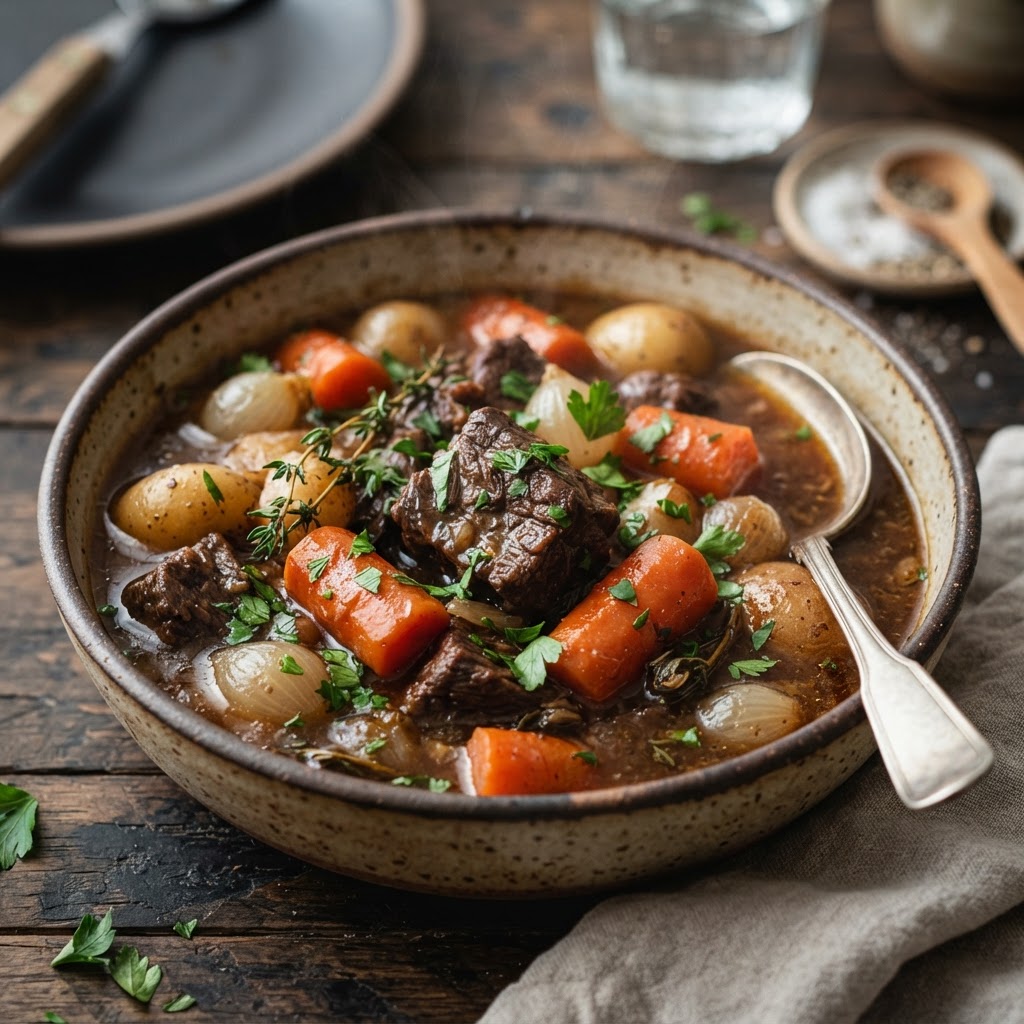
- 2 lbs beef chuck roast, cut into 1-inch cubes
- 3 tbsp all-purpose flour
- 2 tbsp vegetable oil
- 1 large onion, chopped
- 3 cups beef broth
- 1 lb carrots, peeled and sliced
- 2 lbs potatoes, peeled and cubed
- 1 tbsp Worcestershire sauce
- 2 tsp dried thyme
- 1 tsp salt
- 1/2 tsp black pepper
Follow this clear, step-by-step guide to prepare this dish perfectly every time.
| Step | Instruction | Time | Pro Tip | | — | — | — | — | | 1 | Toss the 2 lbs beef chuck roast, cut into 1-inch cubes in a bowl with 3 tbsp all-purpose flour until well coated. | 5 min | Dry the beef with paper towels first for a better sear. | | 2 | Heat 2 tbsp vegetable oil in a large skillet and brown the 2 lbs beef chuck roast, cut into 1-inch cubes on all sides. | 10 min | Do not crowd the pan to ensure a deep brown crust. | | 3 | Add the 1 large onion, chopped to the skillet and sauté briefly until softened. | 3 min | Use the same pan to deglaze all the browned bits. | | 4 | Place the browned beef, onion, 1 lb carrots, peeled and sliced, and 2 lbs potatoes, peeled and cubed into the slow cooker. | 5 min | Layer the harder root vegetables at the bottom for even cooking. | | 5 | Whisk together 3 cups beef broth, 1 tbsp Worcestershire sauce, 2 tsp dried thyme, 1 tsp salt, and 1/2 tsp black pepper then pour over the contents of the slow cooker. | 5 min | Low-sodium broth gives you better control over seasoning. | | 6 | Cover and cook on low for 8 hours or on high for 4 hours until the beef is tender. | 8 hours | Resist the urge to lift the lid to keep the heat constant. | | 7 | Stir the stew thoroughly and serve hot in deep bowls. | 2 min | Serve with crusty bread to soak up the savory gravy. |
Essential Ingredients for Maximum Flavor
Selecting fresh, robust ingredients is the foundation of any thick and hearty slow cooker beef stew. The aromatic base of onions, garlic, and celery should never be overlooked, as they form the foundation of your flavor profile. For the vegetables, carrots and potatoes are classic, but consider adding parsnips or rutabagas for a sweeter, earthier complexity that differentiates your stew from the standard versions. When it comes to the liquid, a combination of low-sodium beef broth, a splash of Worcestershire sauce, and a high-quality dry red wine like Cabernet Sauvignon will provide the necessary acidity to balance the richness of the meat. To ensure your stew is truly thick, we recommend using a mixture of tomato paste and a slurry of cornstarch and cold water added toward the end of the cooking process. This prevents the vegetables from turning mushy while ensuring the broth coats the back of a spoon perfectly.
Managing Your Slow Cooker Strategy
Proper temperature management and ingredient layering are the keys to a successful easy crockpot beef stew. Most modern slow cookers have high and low settings, but for beef stew, the low setting is almost always superior because it allows the tough collagen in the beef to slowly transform into gelatin without drying out the muscle fibers. Arrange your hard root vegetables like carrots and potatoes at the very bottom of the slow cooker insert, as they are closest to the heating element and require the most time to soften. Place your seared beef chunks on top of the vegetables, followed by the aromatic herbs like thyme and rosemary. Do not stir the stew until the final thirty minutes of cooking, as this allows the steam to trapped within the pot, keeping the ingredients succulent and preventing the liquid from evaporating too quickly or separating.
Comparative Analysis of Thickening Agents
Enhancing the Nutritional Profile
While comfort food is often associated with indulgence, this stew can easily become a balanced meal packed with vitamins and minerals. The inclusion of root vegetables provides a significant amount of dietary fiber, potassium, and vitamin A. To increase the nutrient density further, consider tossing in a few handfuls of fresh kale or spinach during the final ten minutes of cooking; the residual heat will wilt the greens instantly without compromising their vibrant color or vitamin content. You can also swap out white potatoes for Yukon Golds, which contain more micronutrients and provide a creamier texture. By focusing on whole, unprocessed ingredients, you turn a simple bowl of beef stew into a complete nutritional powerhouse that satisfies your hunger while nourishing your body during the colder months.
Troubleshooting Common Stew Problems
Even the best recipes can run into issues, but most stew problems are easily reversible with a few clever kitchen hacks. If you find your stew is too thin after the cooking time is complete, do not be tempted to cook it longer, as this will overcook the vegetables; instead, remove two cups of the liquid, whisk in a tablespoon of cornstarch to form a slurry, and return it to the pot while stirring gently. If the stew tastes too salty, add a peeled, raw potato cut into chunks, which will act as a sponge to absorb excess salt; remove the potato before serving. For a stew that lacks “oomph,” a teaspoon of balsamic vinegar or a dash of fish sauce can act as a flavor catalyst, brightening up the deep, savory notes of the beef without adding any specific flavor profile of its own.
FAQ
How long does it take to get tender beef in a slow cooker?
Beef chuck usually requires 7 to 8 hours on the low setting to become fork-tender.
Can I make this stew ahead of time?
Yes, beef stew tastes even better the next day as flavors have more time to meld together.
What is the best way to thicken the broth?
A cornstarch slurry added during the last 30 minutes of cooking produces the best velvety texture.
Why did my vegetables turn into mush?
This happens if you cut them too small or place them directly in the liquid too early; keep pieces large and layer them correctly.
Can I freeze the leftovers?
Yes, store the cooled stew in an airtight container for up to three months without any loss of quality.
Conclusion
Making a thick and hearty slow cooker beef stew is a rewarding process that yields incredible flavor with minimal effort. By following the tips regarding searing, layering, and thickening, you ensure that every bowl is filled with tender meat and perfectly seasoned broth. Whether you are hosting a family dinner or simply looking for the best winter dinner ideas, this recipe remains a timeless classic. Experiment with these techniques, adjust the seasoning to your preferences, and enjoy the comforting warmth of a home-cooked meal that never goes out of style.