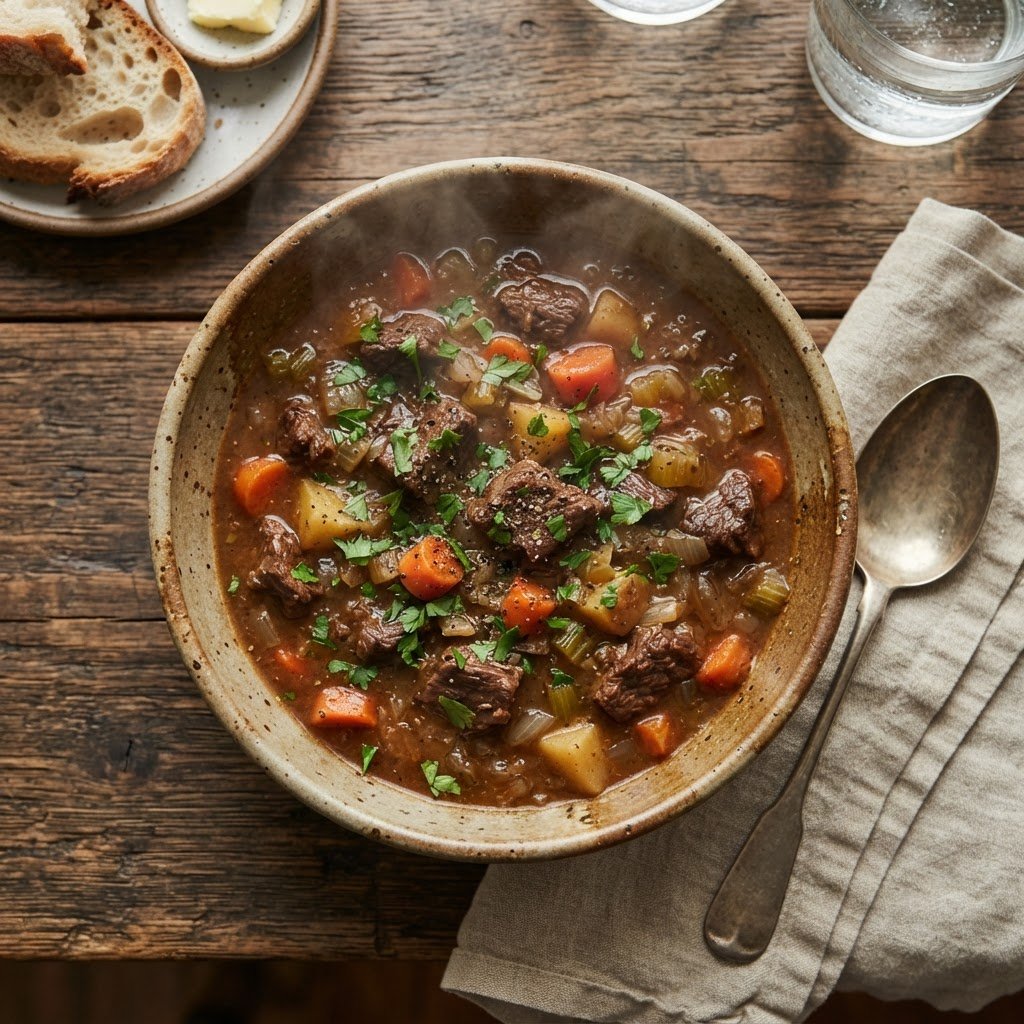
Slow Cooker Beef Stew Made Simple: A Classic Comfort Recipe
To make the perfect slow cooker beef stew, sear 2 lbs of flour-dusted chuck roast before simmering it on low for 6-8 hours with aromatic vegetables, beef broth, and Worcestershire sauce. This “low and slow” method breaks down tough muscle fibers into succulent, fork-tender meat while naturally thickening the savory, nutrient-dense gravy.
Why Choose This Slow Cooker Beef Stew Method
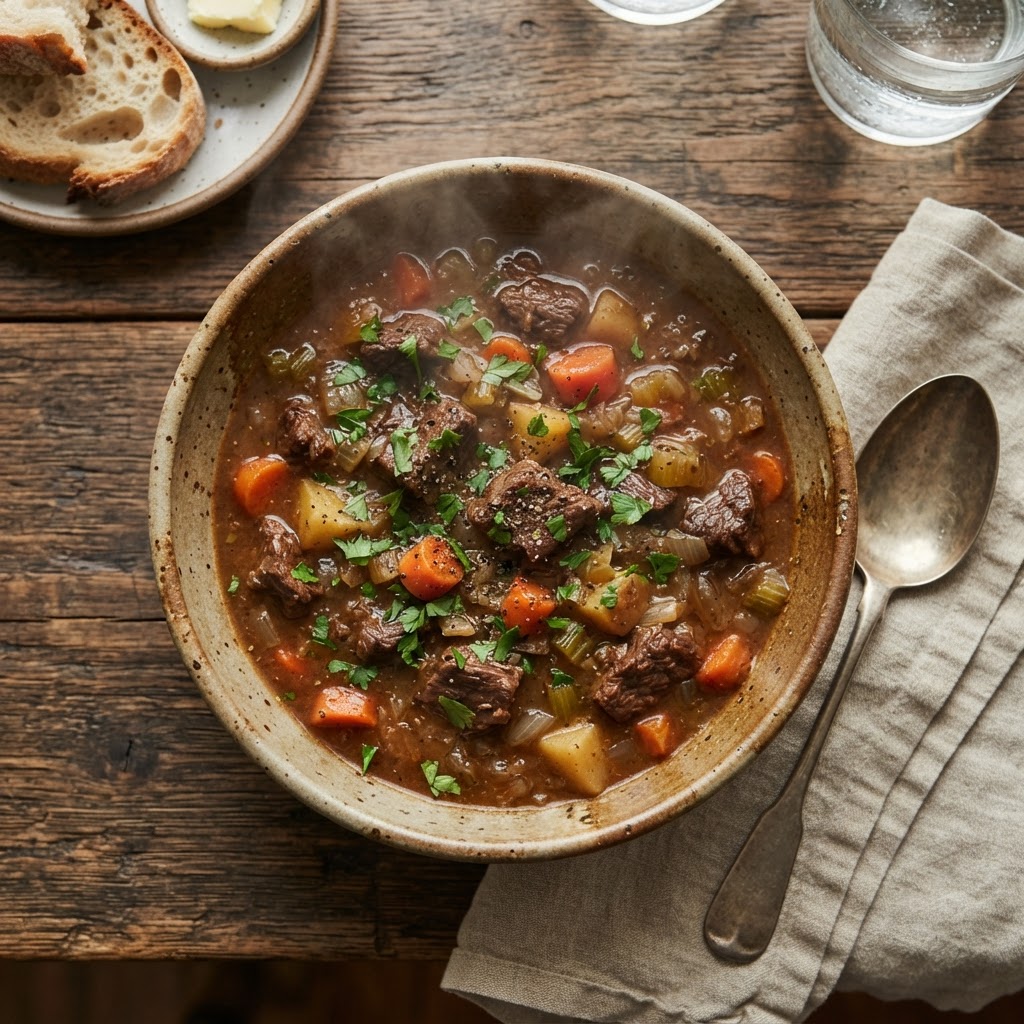
Choosing the right cut of beef and utilizing the slow-braising technique is the secret to achieving restaurant-quality results at home with minimal effort. Beef chuck roast is the gold standard for stew because its high intramuscular fat and connective tissue content melt away during the 8-hour cooking cycle, creating a velvety mouthfeel that leaner cuts simply cannot replicate. By searing the meat in 2 tablespoons of olive oil first, you trigger the Maillard reaction—a chemical process that builds deep, umami-rich flavor profiles before the ingredients even enter the slow cooker. This method is statistically the most reliable way for home cooks to maintain moisture, as the sealed environment of a Crockpot prevents the evaporation of liquids, ensuring your vegetables remain vibrant and your sauce stays rich without the need for constant supervision. Unlike stove-top cooking, which requires frequent temperature adjustments to prevent scorching, the slow cooker maintains a steady internal temperature between 190°F and 200°F. This consistent heat range is precisely what is needed to transform inexpensive, tough cuts into premium-grade tender bites. This approach is highly efficient for busy families, as it reduces active kitchen time to under 15 minutes, allowing the appliance to do the heavy lifting while you attend to other tasks.
Step-by-Step Recipe Instructions
Ingredients You’ll Need
- 2 lbs beef chuck roast, cut into 1-inch cubes
- 3 tbsp all-purpose flour
- 1 tsp kosher salt
- 0.5 tsp black pepper
- 2 tbsp olive oil
- 2 cups beef broth
- 1 tbsp Worcestershire sauce
- 3 cups potatoes, peeled and cut into chunks
- 2 cups carrots, peeled and sliced into rounds
- 1 large yellow onion, chopped
- 2 cloves garlic, minced
Follow this clear, step-by-step guide to prepare this dish perfectly every time.
Many home cooks search for slow cook beef stew crockpot recipes because they need a reliable, set-it-and-forget-it solution. When you use these crockpot beef stew recipes slow cooker styles, you are essentially braising the meat in its own juices. Whether you prefer a bowl of beef stew with carrots or a heartier version with root vegetables, this technique is universally forgiving for beginners and experts alike.
Essential Ingredients for a Rich Stew
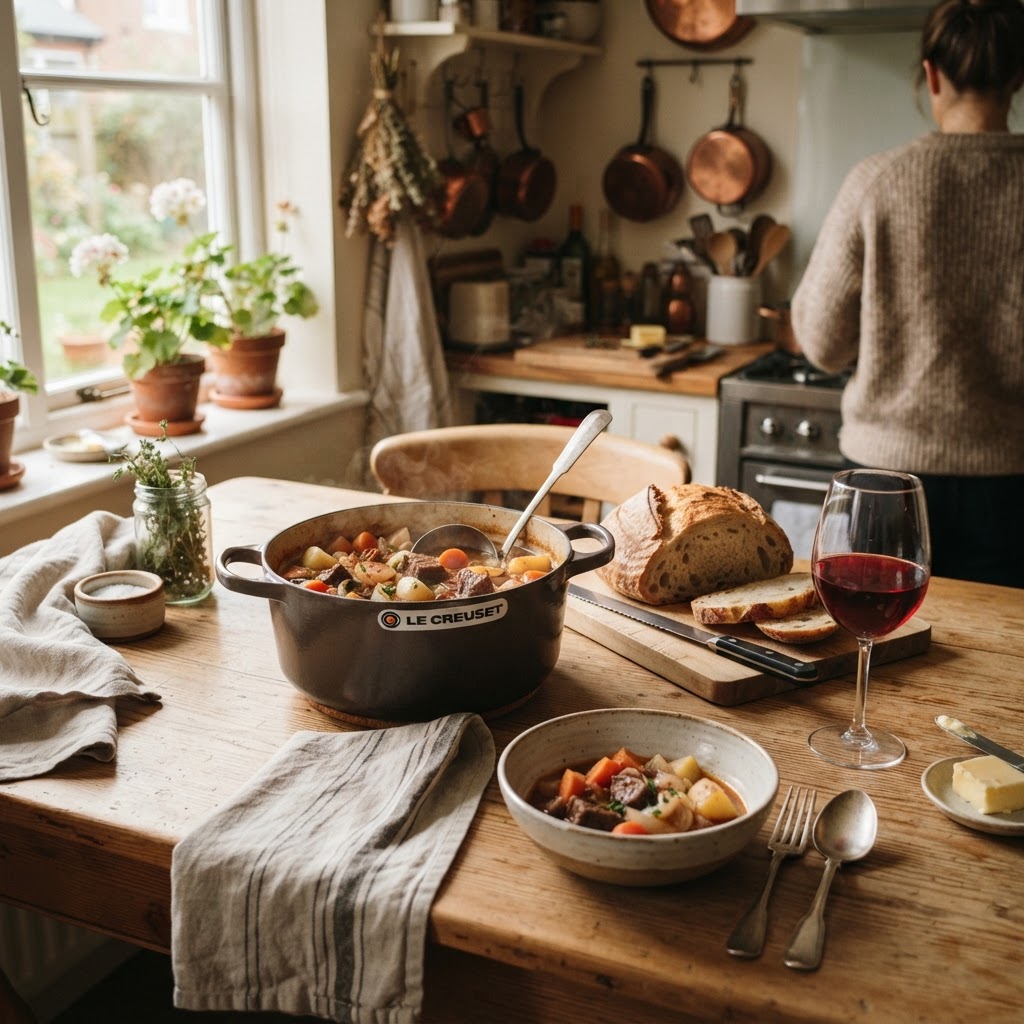
Selecting high-quality ingredients forms the backbone of a successful beef stew, ensuring that the final dish balances savory depth with natural sweetness. The quality of your beef chuck roast is paramount; look for marbling—the thin white streaks of fat—which provides the necessary moisture during the 8-hour cook time. Beyond the protein, the choice of vegetables like carrots, potatoes, and onions provides a foundation of earthy flavors that harmonize with the beef. Incorporating aromatics like garlic, thyme, and rosemary introduces herbal notes that cut through the richness of the meat. When building your ingredient list, consider the “vegetable-to-meat ratio,” which should ideally be 1:1 by weight to ensure each bite contains both protein and plant matter. The liquid base, typically beef broth, should ideally be made from roasted bones to provide a higher concentration of collagen; this collagen is the secret weapon that naturally thickens your stew without needing excess starches. Including a tablespoon of Worcestershire sauce or a splash of soy sauce provides the necessary “umami boost” that rounds out the saltiness of the kosher salt and black pepper. While celery is often considered optional, it adds a subtle aromatic base that bridges the flavors of the onion and carrots. By carefully curating these foundational ingredients, you ensure that the stew is not just a collection of boiled components, but a cohesive, professionally structured meal that layers texture and flavor.
The Role of Aromatics and Spices
Achieving the Perfect Thick Gravy
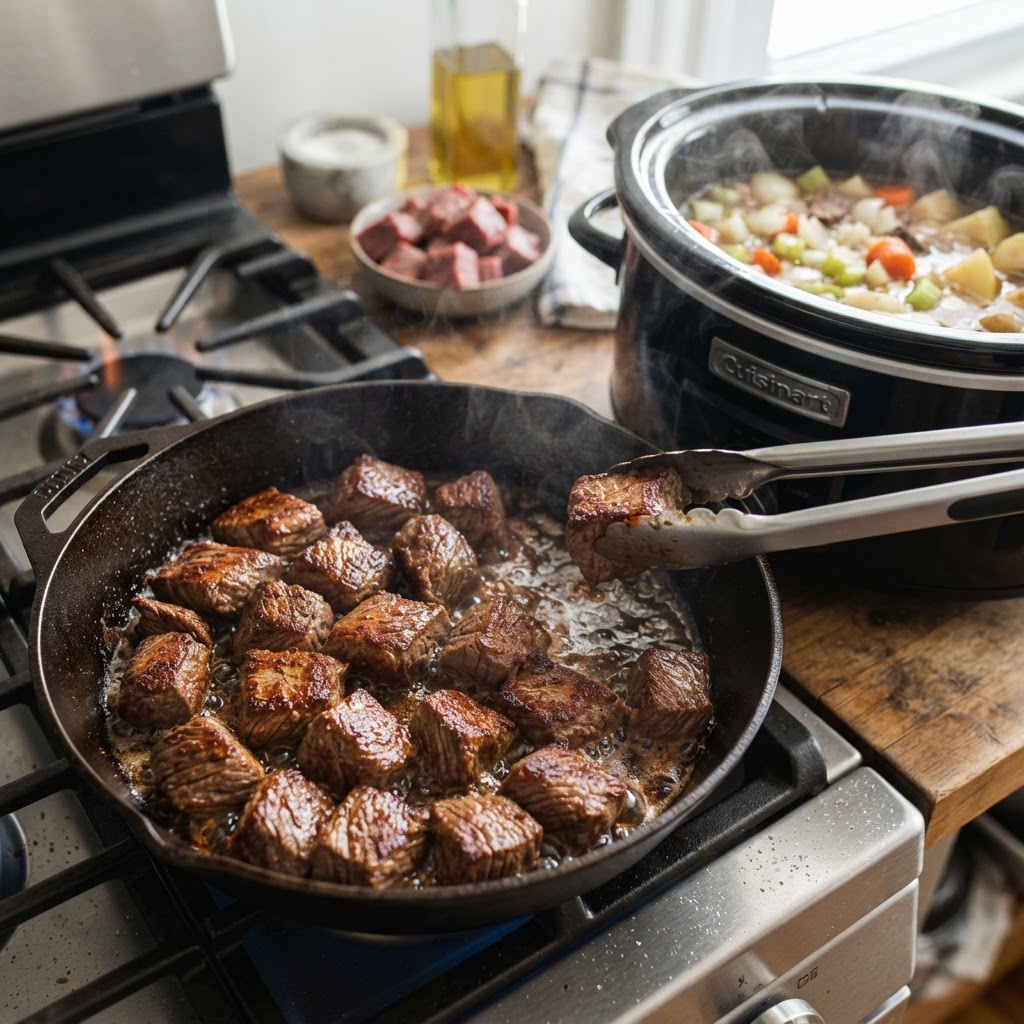
Achieving a perfectly thick gravy in a slow cooker requires a strategic approach because the sealed environment prevents liquid reduction, which is how stews are traditionally thickened on a stove top. To compensate, the most effective method is using a “slurry”—a mixture of one part cold water and one part cornstarch—added during the final 45 to 60 minutes of the cooking cycle. Adding the slurry directly into the hot liquid allows the starch molecules to hydrate and swell, creating an immediate thickening effect that transforms thin broth into a glossy, coating sauce. If you prefer to avoid cornstarch, dusting the raw beef cubes in all-purpose flour before searing acts as an initial thickener, as the flour will gradually release into the broth throughout the cooking process. For a more robust flavor, you can incorporate tomato paste at the start; the paste adds acidity and color while also contributing to the overall viscosity of the gravy. Another professional technique is to remove a small portion of the cooked potatoes, mash them into a paste, and stir them back into the pot. This creates a natural, velvety texture that adheres to the meat better than synthetic thickeners. Remember that the consistency will continue to thicken slightly as the stew cools, so aim for a “nappe” consistency—one that coats the back of a spoon—before turning off the heat. By avoiding excessive water intake during the initial setup and relying on these starch-based techniques, you ensure your stew never feels watery or diluted.
Variations for Every Dietary Need
Adapting this classic recipe to suit various dietary requirements is straightforward due to the forgiving nature of the slow-cooker medium. For those following a keto or low-carb lifestyle, simply omit the potatoes and replace them with low-carb alternatives such as radishes, cauliflower florets, or turnips; these vegetables mimic the texture of potatoes while staying well under the carbohydrate limit. If you need to make the dish gluten-free, replace the all-purpose flour with a 1:1 gluten-free all-purpose blend or use arrowroot powder, which provides an even glossier finish than wheat-based flour. To enhance the fiber content without adding heavy carbohydrates, stir in a half-cup of pearl barley during the final two hours of cooking, as the grain will soak up the excess liquid and expand into a hearty, chewy addition. For an international twist, replace a portion of the beef broth with a dry red wine or a dark stout beer like Guinness, which introduces complex tannins that pair exceptionally well with the iron-rich flavor of the beef. If you are serving guests with dairy sensitivities, this recipe is naturally free of butter and cream, making it a safe choice for those who still want a rich, indulgent experience. Furthermore, adding seasonal vegetables like parsnips in the winter or green beans in the autumn allows you to tailor the nutritional profile based on what is available at your local market, ensuring the recipe remains relevant and exciting year-round.
Mastering the Slow Cooking Process
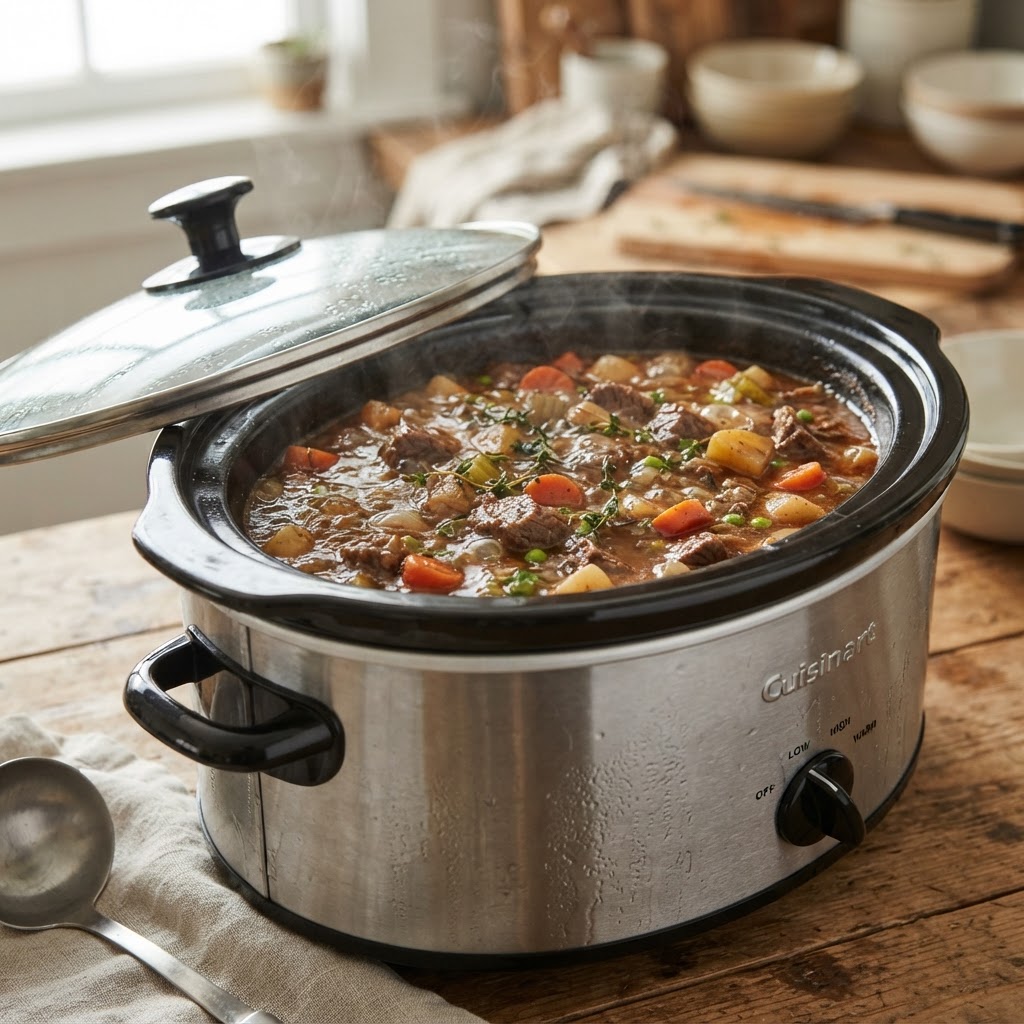
Understanding the mechanics of your slow cooker is the key to consistent results, as every brand and model has slightly different heat output profiles. A fundamental rule of slow cooking is the “lid-on” policy; every time you lift the lid to check on the stew, you lose approximately 15 to 20 minutes of cooking time due to heat escape, which disrupts the delicate breakdown of collagen. To ensure the meat reaches the desired 195°F–205°F internal temperature—where the structure finally yields to tenderness—you must trust the 6-to-8-hour window for low-heat settings. It is also important to arrange your ingredients in the correct order: place hard root vegetables at the bottom, closest to the heating element, as they require the longest time to soften. Layer the seared beef in the middle, and top with more delicate aromatics or softer vegetables like onions. This arrangement ensures even heat distribution throughout the vessel, preventing uneven cooking where some chunks remain firm while others fall apart. If you are using a modern programmable slow cooker, utilize the “Keep Warm” function after the cycle ends to allow the flavors to meld for an additional 30 minutes; this resting period is just as crucial for a stew as it is for a roasted steak, as it allows the internal juices to redistribute throughout the meat. Avoiding the “High” heat setting whenever possible is recommended for chuck roast, as high heat can occasionally result in dry, stringy meat rather than the succulent, melt-in-your-mouth texture that makes slow cooker beef stew a culinary masterpiece.
FAQ
How do I make my beef stew thick in the slow cooker?
You can thicken your stew by adding a slurry of one tablespoon of cornstarch mixed with one tablespoon of cold water during the final hour of cooking. This technique creates a glossy, thick consistency without altering the base flavor of your broth.
Can I use frozen stew meat in the slow cooker?
It is unsafe to use frozen meat in a slow cooker because the meat stays in the bacterial “danger zone” (40°F–140°F) for too long while the appliance warms up. Always fully thaw your beef in the refrigerator overnight before adding it to your slow cooker.
How long should beef stew cook in a crockpot?
Beef stew typically requires 6 to 8 hours on the low heat setting for the beef chuck roast to become properly tender. While you can cook it on high for 3 to 4 hours, the low and slow method is superior for developing flavor and softening connective tissue.
Can I add vegetables like peas and carrots at the beginning?
While carrots are dense enough to handle the full 6-to-8-hour cook time, delicate vegetables like peas should only be added in the final 30 minutes. Adding them too early will cause them to lose their vibrant green color and turn into a mushy texture.
What is the best cut of beef for slow cooker stew?
Beef chuck roast is the best cut for stew because it has a high ratio of intramuscular fat and connective tissue, which breaks down into gelatin during the long cooking process. This results in the characteristic succulent, fork-tender texture that defines a classic beef stew.