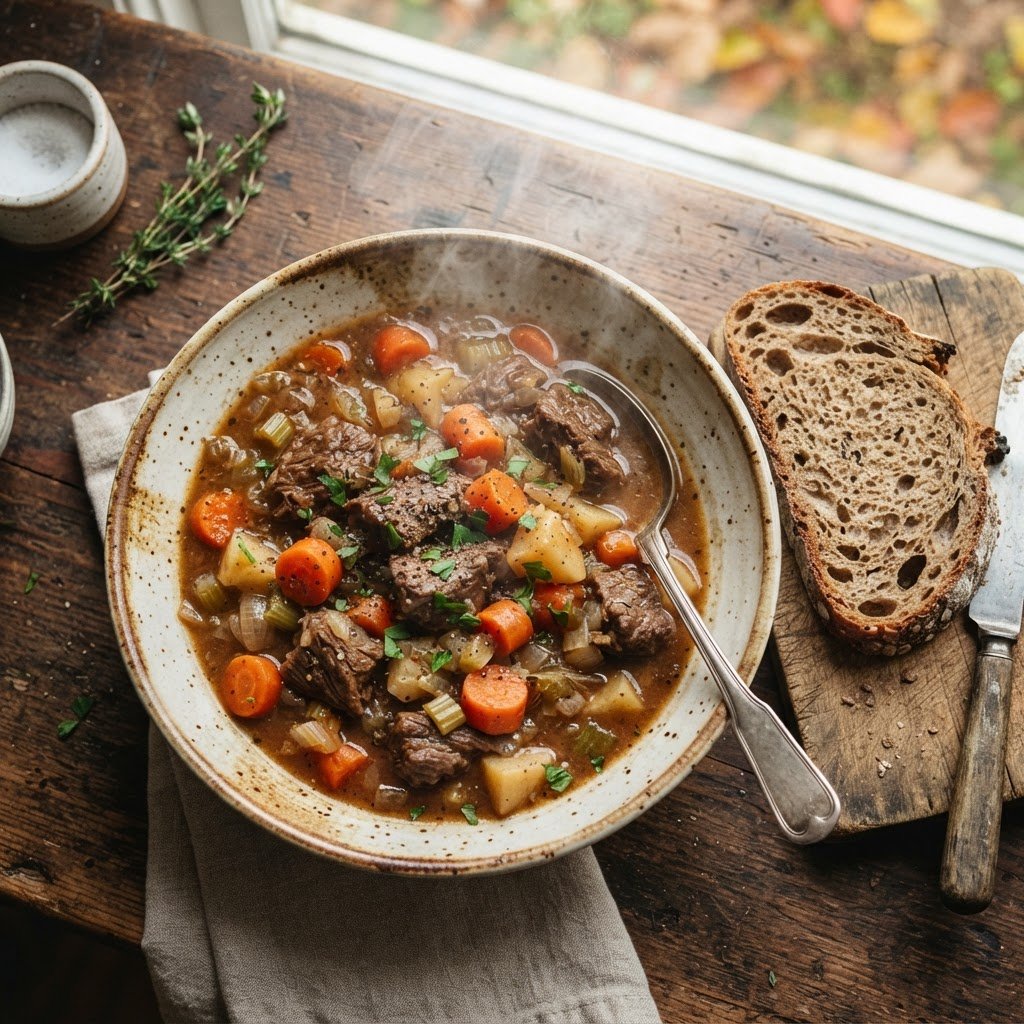
Slow Cooker Beef Stew: The Ultimate Cozy Comfort Food
To make the perfect slow cooker beef stew, combine 2 lbs of cubed chuck roast with carrots, potatoes, beef broth, and aromatics, cooking on low for 8 hours until the meat is fork-tender. This method utilizes the gentle, consistent heat of a slow cooker to transform tough cuts of meat into a rich, flavorful meal.
The Magic of Low and Slow Cooking
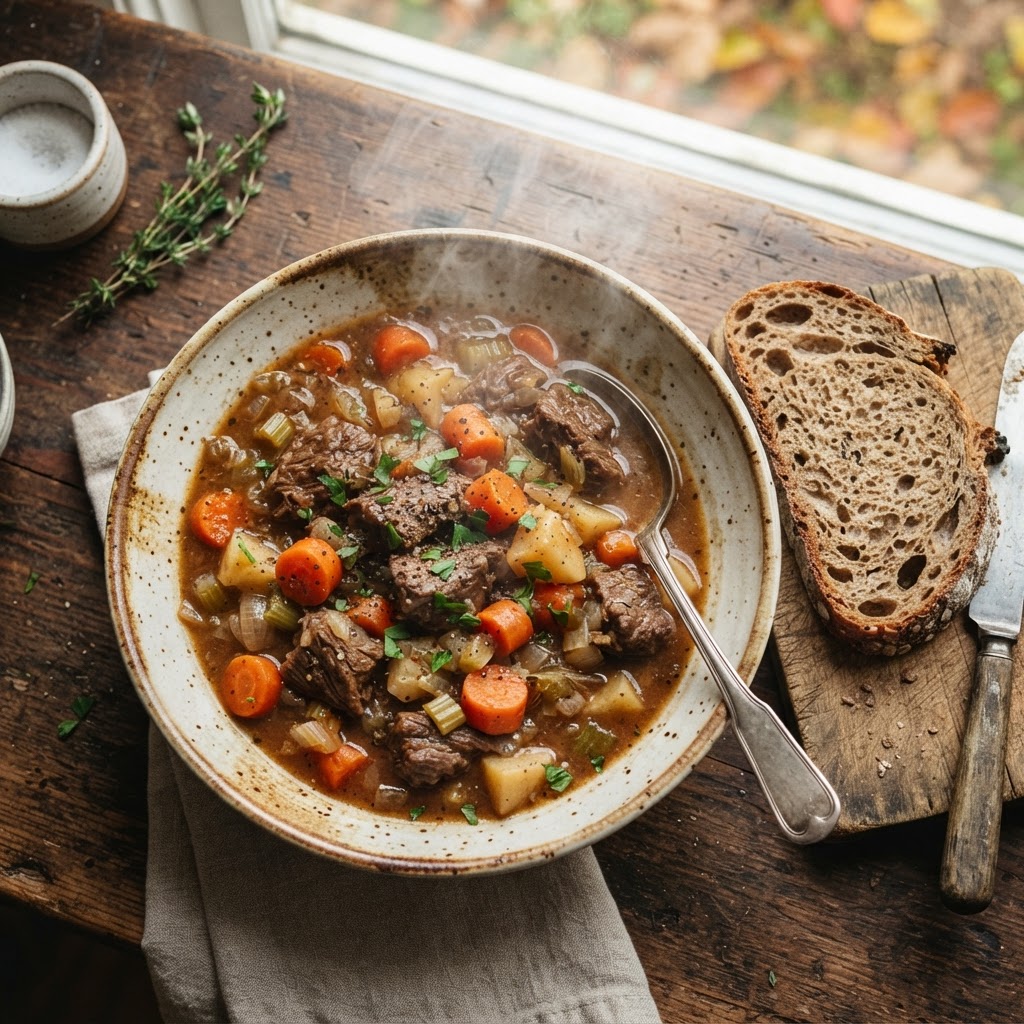
The slow cooking process relies on long-term thermal breakdown, which is essential for transforming tougher, affordable cuts of beef into a buttery, luxurious dish. By maintaining a constant temperature between 180°F and 200°F, the crockpot effectively breaks down the collagen within the beef muscle fibers, turning tough connective tissue into gelatin. This chemical transformation is what provides the signature mouthfeel that defines premium comfort food. When you prepare a slow cooker beef stew, the low heat ensures the meat remains juicy while the cooking liquid slowly reduces and thickens into a savory gravy. This technique is recognized as the gold standard for stewing beef because it allows volatile aromatic compounds from garlic, thyme, and onions to fully permeate the meat, resulting in a depth of flavor that high-heat cooking simply cannot replicate. Because the moisture remains trapped within the sealed slow cooker environment, you achieve consistent, fork-tender results regardless of your experience level in the kitchen.
Why Choose This Method?
Choosing to use a crockpot beef stew approach provides immense convenience for busy households seeking a classic, hands-off meal. The process is inherently forgiving, meaning that an extra hour of cook time rarely results in a ruined dish, unlike traditional stove-top cooking. Whether you are searching for easy stew beef recipes that crockpot enthusiasts love or want to refine your technique with consistent, reliable results, this method acts as an effortless solution for weeknight dinners. If you are looking for another hands-off dinner option that uses just a few staples, you should try our easiest BBQ slow cooker pork chops for a completely different flavor profile. Most modern slow cookers utilize a 6-quart capacity, which is the optimal size to prevent overcrowding and ensure even heat distribution. By using this method, you save roughly 30 minutes of active monitoring time compared to oven-braising, allowing the appliance to act as a set-and-forget culinary assistant that produces professional-grade results.
Step-by-Step Recipe Instructions
Ingredients You’ll Need
- 2 lbs beef chuck roast, cut into 1-inch cubes
- 3 tbsp all-purpose flour
- 1 tbsp olive oil
- 4 cups beef broth
- 1 lb Yukon gold potatoes, chopped into chunks
- 3 large carrots, peeled and sliced
- 1 large yellow onion, diced
- 3 cloves garlic, minced
- 2 tbsp tomato paste
- 1 tsp dried thyme
- 1 tsp kosher salt
- 1/2 tsp black pepper
Follow this clear, step-by-step guide to prepare this dish perfectly every time.
Essential Ingredients for Success
To build a truly flavorful base, you must select high-quality ingredients that harmonize during the 8-hour cooking cycle. The primary protein, chuck roast, is superior for slow cooking because its high percentage of intramuscular fat (marbling) keeps the meat succulent throughout the process. Avoid lean cuts like sirloin, which tend to become dry and stringy under prolonged heat. Aromatics such as onions and garlic provide the foundation of the flavor profile, while root vegetables like Yukon gold potatoes and carrots contribute earthiness and texture. When selecting your broth, look for low-sodium options to maintain better control over the final seasoning level of the stew. The inclusion of tomato paste is a professional secret; it adds a layer of umami and acidity that helps cut through the richness of the beef fat, creating a balanced, professional-grade sauce. By grouping these ingredients by their role in the dish, you can better manage your preparation to ensure every spoonful is perfectly balanced.
Mastering the Technique
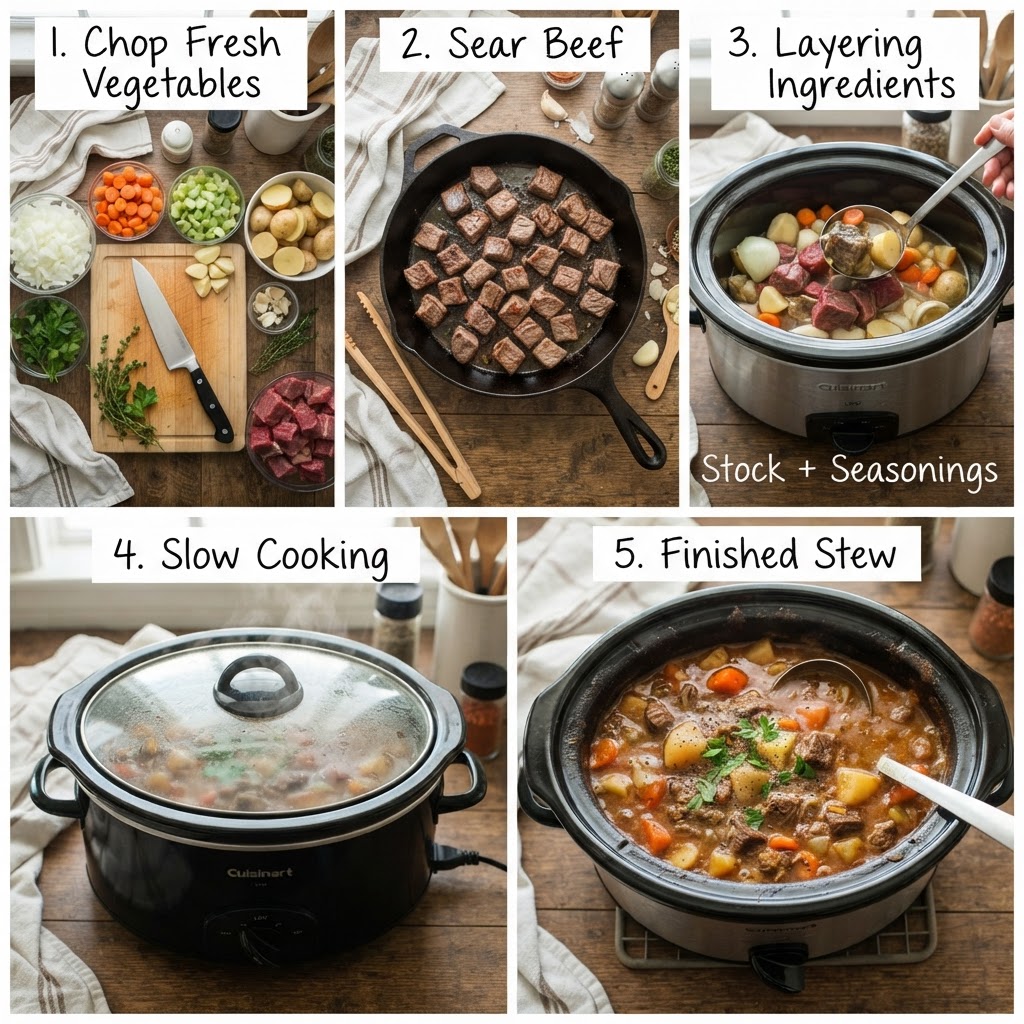
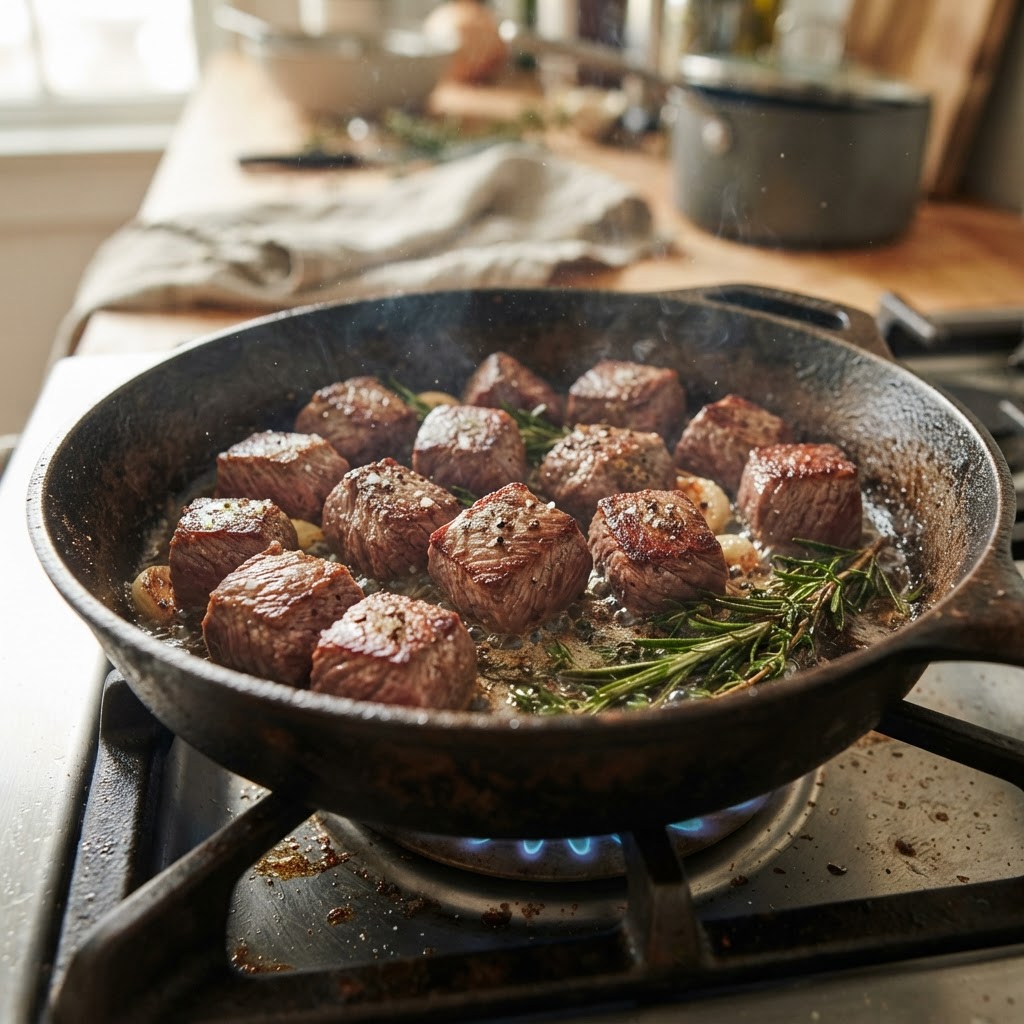
Achieving restaurant-quality consistency in a home kitchen requires understanding the Maillard reaction, which is the chemical process that gives seared meat its complex, savory flavor. Even if you are in a rush, browning your beef cubes in a hot skillet for just 8 minutes before adding them to the slow cooker provides a depth of flavor that cannot be replicated by simmering alone. This crust contains concentrated amino acids and sugars that dissolve into the stewing liquid, acting as the foundation for your gravy. Once the meat is browned, use a splash of broth to deglaze the skillet and ensure every bit of flavor is transferred to the crockpot. This specific technical step elevates your dish from a simple soup to a rich, professional-grade stew. Furthermore, managing the ratio of liquid to solids is critical; aim for the broth to just barely cover the ingredients. Too much liquid results in a watery stew, while the right balance allows the starch from the potatoes and the flour on the beef to thicken the sauce naturally into a velvety, consistent glaze.
Flavor Variations and Customizations
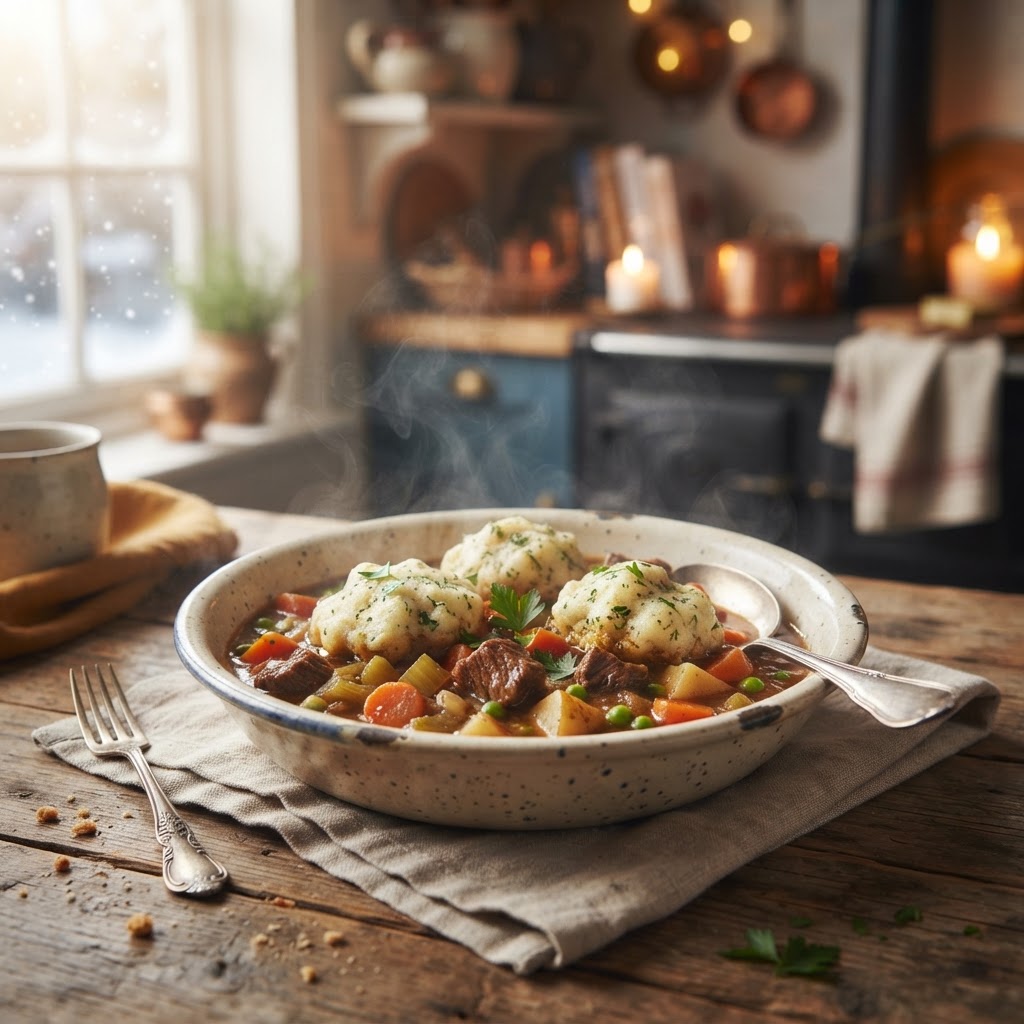
Experimenting with variations can keep your dinner rotation exciting, especially during colder months. Some home chefs prefer a classic approach without wine, while others insist on the deep, complex undertones provided by a robust red wine or a dark stout like Guinness. If you are pursuing specific dietary goals, you can easily substitute ingredients to meet your needs: use gluten-free flour for thickening, or swap traditional potatoes for rutabaga or turnips to lower the glycemic index of your meal. For those who enjoy heartier textures, adding dumplings during the final hour of cooking provides a fluffy, bread-like element that absorbs the savory gravy. You may also experiment with adding mushrooms or peas in the last 30 minutes of cooking to maintain their distinct textures. Remember that these recipes are highly modular; treat the base recipe as a template for your own culinary creativity, adjusting the herb blend—perhaps adding rosemary or bay leaves—to match your personal palate preferences.
Exploring Global Stew Variations
Beef stew is a truly global staple, with regional variations that offer exciting new flavor profiles for your slow cooker. The principles of low-heat braising remain universal, whether you are preparing a French-style beef bourguignon, which focuses on red wine and pearl onions, or a Hungarian goulash, which relies heavily on high-quality paprika for its distinct color and spicy kick. If you enjoy the comfort of this dish, consider trying another delicious chicken stew recipe to diversify your protein intake. If you enjoy the convenience of this dish, you might also want to try our creamy garlic slow cooker pork chops for another protein-packed meal. If you enjoy the convenience of this dish, you might also want to try our simple 3-ingredient slow cooker pork chops for another protein-packed meal. If you are looking for another hearty dish to round out your meal rotation, our creamy and comforting potato soup is perfect for those chilly evenings when you need something simple and satisfying. For a unique Persian-inspired twist, incorporating dried prunes or apricots adds a sweet-and-savory complexity that pairs exceptionally well with the iron-rich beef chuck. These international techniques often utilize unique aromatics that can be easily adapted to the crockpot format. By rotating these regional styles, you can maintain a consistent routine of healthy, batch-cooked meals while exploring the diverse culinary traditions that make beef stew such a beloved dish across different cultures and continents.
Regional Comfort Food Ideas
Many cooks enjoy adapting their stew into a beef barley version, which adds an earthy, nutty chewiness to the dish. If you are looking for something lighter but equally satisfying, consider an easy beef barley soup. For a more sophisticated palate, a Moroccan-style beef stew featuring warm spices like cinnamon, cumin, and ginger combined with prunes creates an unexpected and memorable dining experience. Remember that stew beef is exceptionally versatile; if you find yourself with extra meat, these recipes serve as an excellent foundation for meal prepping throughout the work week. Batch cooking is a highly effective strategy for saving time and money, and beef stew reheats beautifully, often tasting even better the next day as the spices have more time to meld. Regardless of the regional inspiration, focus on the quality of your foundational ingredients to ensure the best results every time you set your slow cooker.
Troubleshooting Common Issues
Even the most experienced home cook can encounter minor setbacks when using a slow cooker, but most are easily rectified with minor adjustments. If your gravy is too thin, create a cornstarch slurry by mixing 1 tablespoon of cornstarch with 2 tablespoons of cold water, then stir this into the stew during the final 30 minutes of cooking. Adding the thickener at the end prevents the slurry from losing its efficacy during the long cook time. If you notice your vegetables are becoming too soft, adjust your timing by adding them halfway through the cooking cycle rather than at the start. This is particularly useful for delicate vegetables like peas or tender root crops. Additionally, avoid lifting the lid unnecessarily, as each time the lid is opened, the slow cooker loses 15 to 20 minutes of heat, which can throw off your timing and affect the final texture of the meat. Trust the process and use a meat-to-liquid ratio that allows the ingredients to simmer in their own juices.
FAQ
How long should I cook beef stew in a slow cooker?
Cook your beef stew on low for 7 to 8 hours or on high for 4 to 5 hours for optimal results. Low heat is preferred for tougher cuts like chuck roast, as it provides the most consistent breakdown of collagen and results in the most tender meat.
Should I brown the meat before adding it to the slow cooker?
Yes, searing the beef in a hot pan for 8 minutes before starting the slow cooker creates a deeper flavor profile. This browning process triggers the Maillard reaction, which adds savory complexity to the gravy that cannot be achieved by simply boiling the meat in the slow cooker.
Can I make this recipe dairy-free and gluten-free?
Yes, you can easily make this recipe allergy-friendly by using a gluten-free flour blend or cornstarch for thickening and ensuring your beef broth is certified gluten-free. The core ingredients—beef, root vegetables, and herbs—are naturally free from gluten and dairy, making this a highly adaptable dish.
Can I add dumplings to the slow cooker?
Yes, you can add dumplings to your beef stew by placing small spoonfuls of dough on top of the stew during the final 60 minutes of cooking. It is critical to keep the lid closed during this time to allow the steam to properly cook the dumplings through.
Why do my vegetables become mushy in the slow cooker?
Vegetables often become mushy if they are cooked for the full 8-hour duration alongside the meat. To maintain their structural integrity, add your potatoes and carrots to the slow cooker during the final 3 to 4 hours of the cooking process instead of adding them at the start.