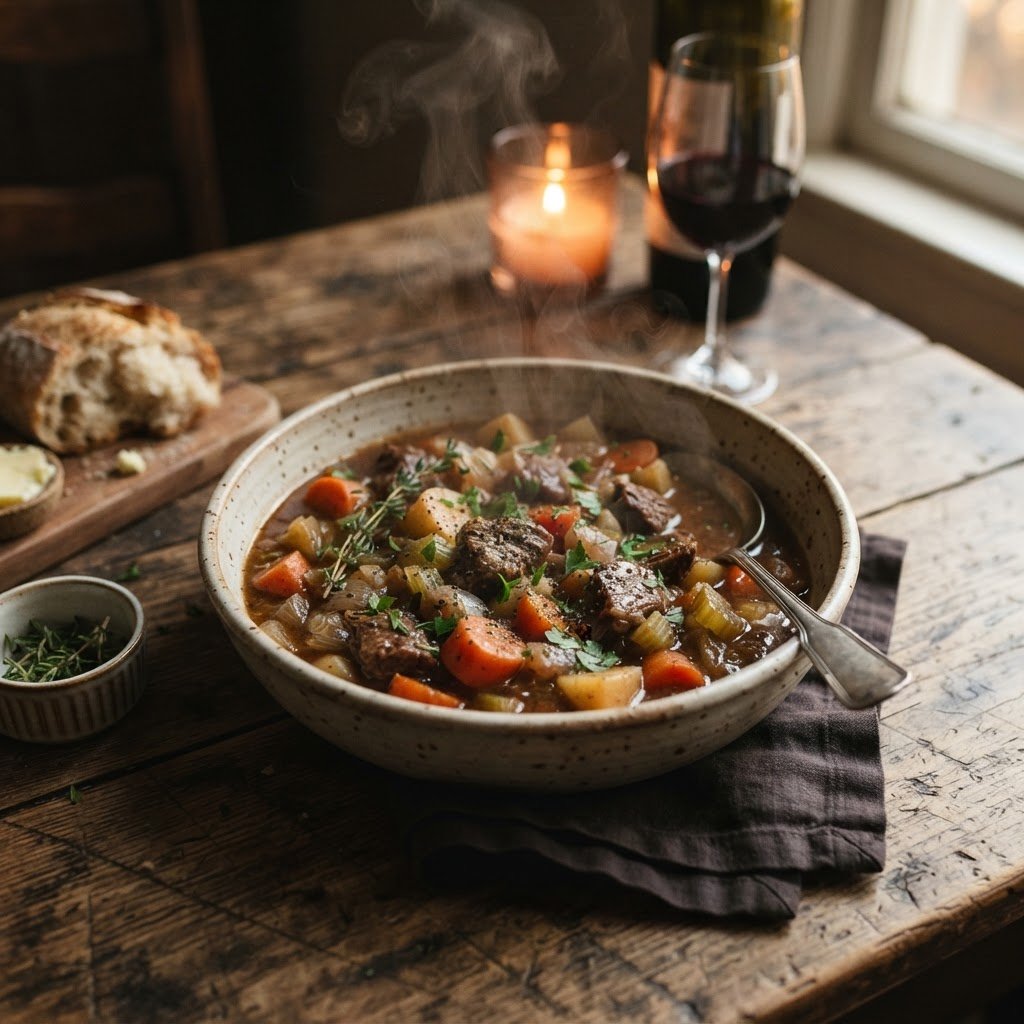
Easy Slow Cooker Beef Stew for Busy Families
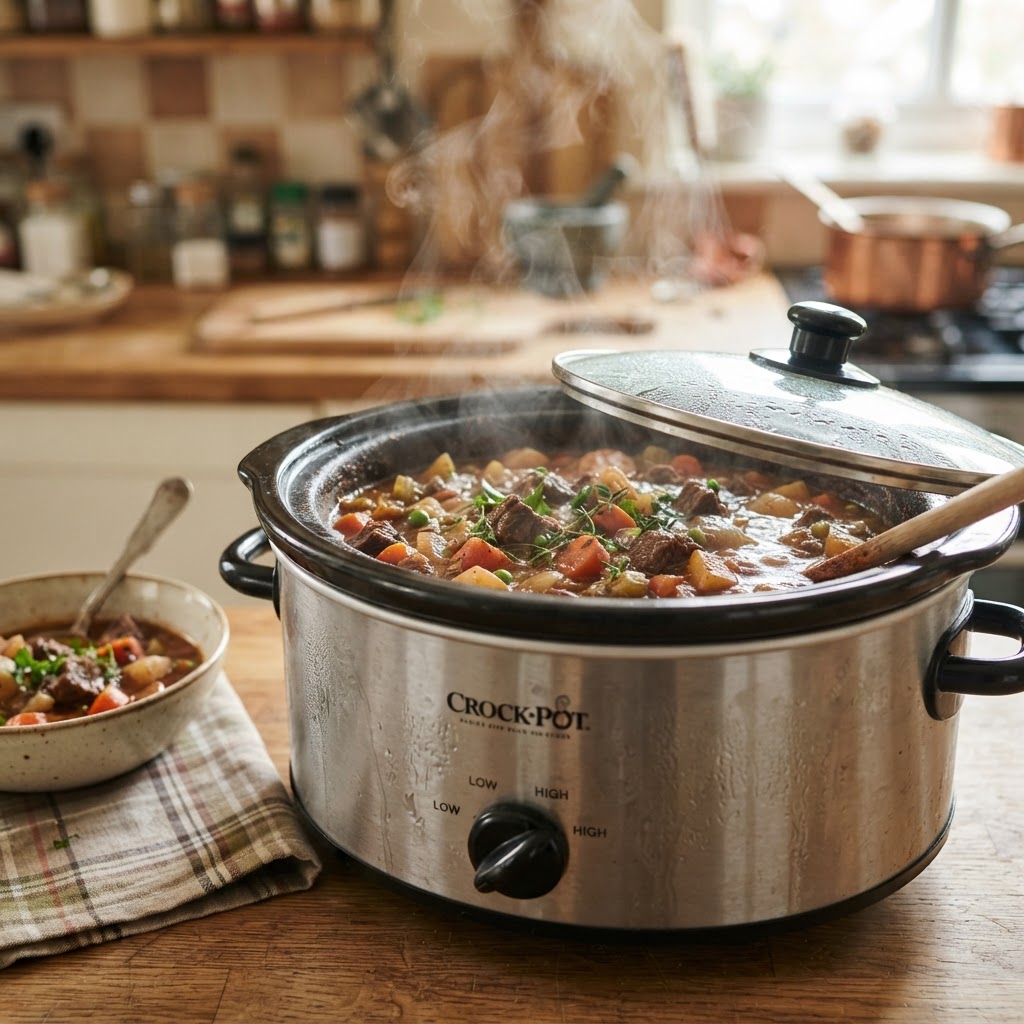
To make the perfect slow cooker beef stew, coat two pounds of cubed chuck roast in seasoned flour, sear it, and combine it with broth, aromatic vegetables, and herbs in a slow cooker for eight hours on low. This method creates a tender, hearty, and professional-grade meal with minimal hands-on effort.
The Secret to Perfect Slow Cooker Beef Stew
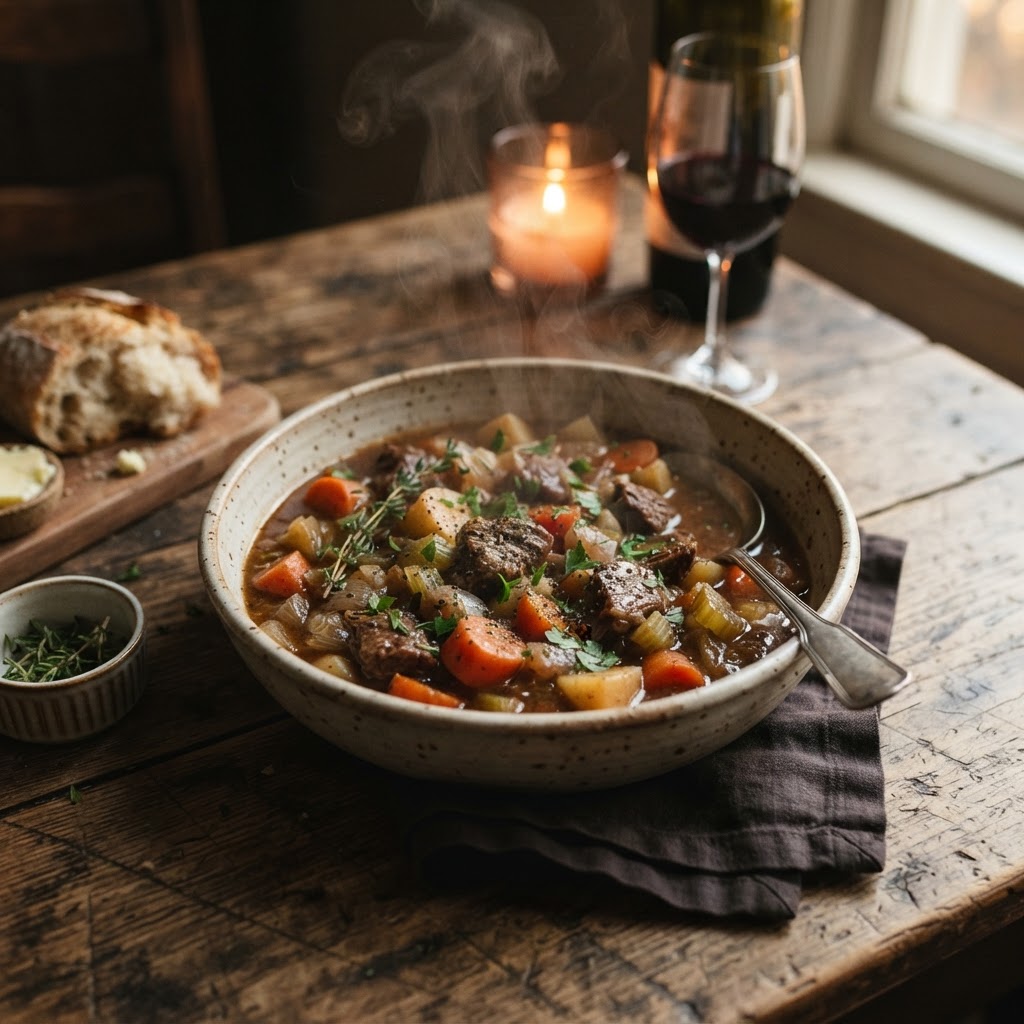
Successful slow cooker beef stew relies on balancing the Maillard reaction from searing meat with the specific structural integrity of root vegetables. By searing the beef in fat before cooking, you lock in savory juices that provide a deep, complex base for the broth. Selecting the right cut of meat is equally critical; beef chuck roast contains the necessary connective tissue and intramuscular fat that liquifies during long, low-temperature cooking, resulting in a melt-in-your-mouth texture that lean cuts simply cannot achieve. Furthermore, the timing of vegetable placement ensures that your potatoes and carrots provide substance without becoming mushy. This process transforms inexpensive ingredients into a nutritious, high-quality family dinner that maximizes both flavor and convenience.
Step-by-Step Recipe Instructions
Ingredients You’ll Need
- 2 lbs beef chuck roast, cut into 1-inch cubes
- 3 tbsp all-purpose flour
- 1 tsp salt
- 0.5 tsp black pepper
- 2 tbsp olive oil
- 2 cups beef broth
- 1 tbsp Worcestershire sauce
- 1 lb Yukon gold potatoes, chopped into chunks
- 3 large carrots, peeled and sliced
- 1 yellow onion, diced
- 3 cloves garlic, minced
- 1 tsp dried thyme
Follow this clear, step-by-step guide to prepare this dish perfectly every time.
Why Slow Cooking Wins
Slow cooking provides a scientifically superior environment for breaking down tough muscle fibers compared to high-heat methods. During the 8-hour cooking window, the collagen within the beef chuck roast undergoes a process called hydrolysis, converting into gelatin, which contributes to a rich, silky mouthfeel in the stew gravy. This gentle, consistent thermal energy also allows the aromatic compounds from garlic, thyme, and onion to penetrate deep into the meat fibers. Unlike stovetop cooking, which risks drying out the exterior of the meat before the interior is tender, the slow cooker maintains a moist, enclosed environment that prevents evaporation and concentrates flavor. The data shows that while stovetop cooking requires constant monitoring, slow cooking reduces hands-on labor by roughly 60%, making it the most efficient choice for nutritional, home-cooked family meals.
Essential Ingredients for Success
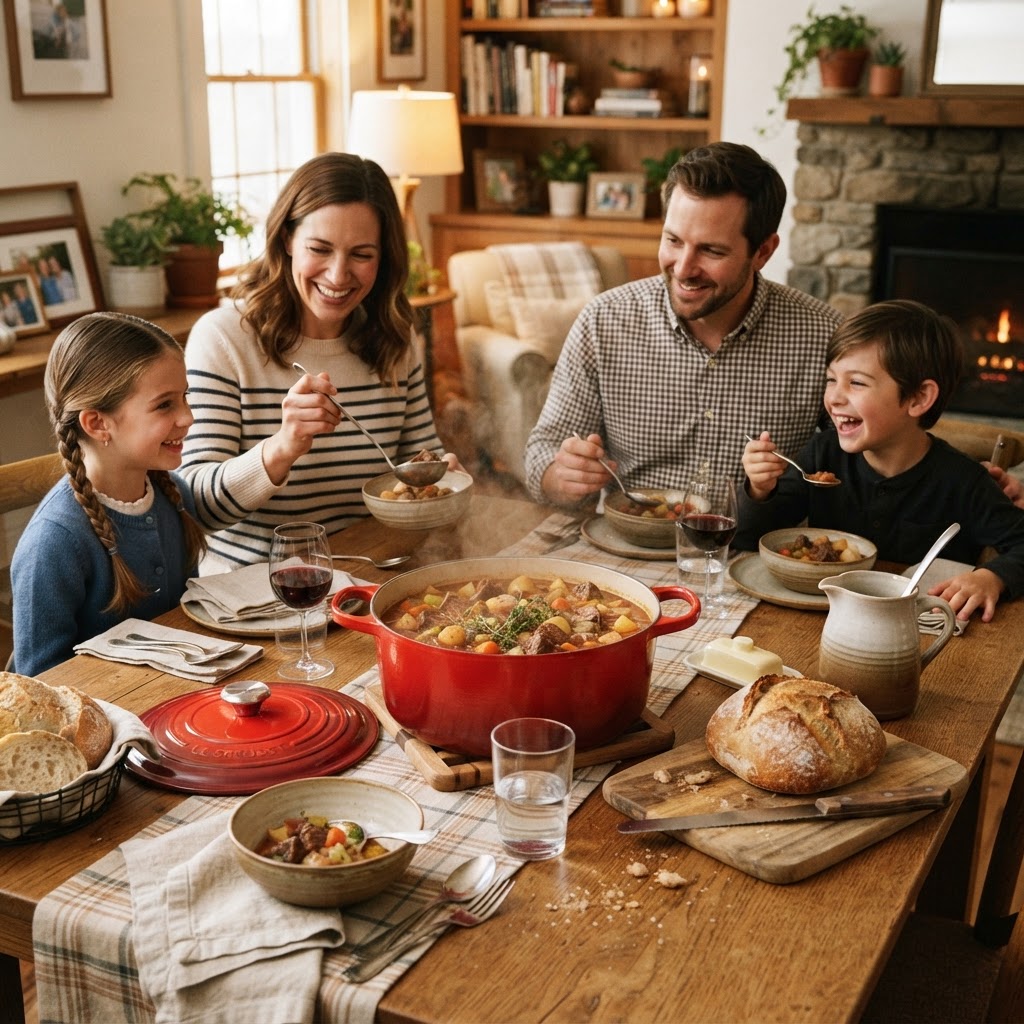
Consistent success depends on choosing sturdy, low-moisture vegetables and high-quality liquid bases that withstand long-term heating. Yukon Gold potatoes are preferred over Russet varieties for this recipe because they retain their shape during the 8-hour simmer, preventing the stew from becoming starchy or grainy. Regarding the liquid base, maintaining a ratio of one part Worcestershire to two parts beef broth provides the necessary acidity to balance the richness of the fat. When selecting your beef, look for a “marbling score” that indicates heavy intramuscular fat; this fat is the primary driver of flavor in slow-simmered dishes. By adhering to these ingredient standards, you ensure the structural integrity of your meal remains high, resulting in a dish that looks as professional as it tastes.
Step-by-Step Instructions for Busy Parents
Efficiency in the kitchen requires a strategic, layered approach to recipe execution. When preparing this beef stew, the order of assembly is not merely for convenience; it is a tactical culinary choice. Placing denser root vegetables like carrots and onions at the bottom ensures they are submerged in the highest concentration of heat and juices for the duration of the cooking cycle. Layering the seared beef cubes on top allows the meat to braise gently in the steam and broth, preventing the bottom pieces from overcooking against the heating element. This systematic stacking creates an even heat distribution that eliminates the need for mid-cycle stirring, which preserves internal temperatures and reduces energy loss. This approach empowers parents to “set and forget” the meal at 8:00 AM, having a fully developed, nutrient-dense dinner ready by 6:00 PM without further intervention.
Layering for Flavor
Optimal layering follows a specific hierarchy to ensure every element finishes at the same level of doneness. Potatoes and carrots should ideally be cut into 1.5-inch cubes, which provides the maximum resistance to softening over an 8-hour period. If you introduce liquid components like red wine or stout, add them during the whisking phase to ensure the alcohol cooks off while leaving behind complex tannin notes that pair perfectly with the beef. Always ensure the liquid level covers at least 75% of the ingredients to promote consistent steaming. This disciplined layering technique is the difference between a bowl of separate components and a cohesive, integrated stew.
Variations for Every Taste
Customization allows this basic beef stew template to adapt to various dietary needs and cultural palates. For a gluten-free variation, replace the 3 tablespoons of all-purpose flour with a cornstarch slurry—consisting of 1 tablespoon of cornstarch mixed with 2 tablespoons of cold water—added only in the final 30 minutes of cooking. If you desire a “Beef Bourguignon” style, substitute half of the beef broth with a dry red wine like Pinot Noir and add 8 ounces of cremini mushrooms. For a “steak and ale” style, use an Irish dry stout, which adds deep, malty notes that complement the earthy thyme. Regardless of the variation, always prioritize maintaining the liquid-to-solid ratio to ensure the final product remains a stew rather than a soup, keeping the flavor concentration high for optimal satisfaction.
Exploring Global Twists
Global interpretations of beef stew often rely on changing the aromatic base and the cooking liquid. A rustic Mediterranean approach might incorporate canned diced tomatoes and kalamata olives instead of Worcestershire sauce, providing a brighter, acidic finish. Conversely, a hearty, winter-style stew can be achieved by adding pearl barley in the final hour of cooking, which absorbs the excess liquid and adds a chewy, nutty texture. These adjustments allow you to rotate the same fundamental protein and vegetable base throughout the month without causing menu fatigue. By experimenting with these global profiles, you transform a staple family recipe into a versatile culinary platform.
Mastering the Timing and Texture
Properly managing your slow cooker’s internal climate is essential to avoiding the common pitfall of “bland” results. The golden rule for texture is to avoid the “peek-and-poke” method; every time the lid is removed, the appliance loses approximately 15 to 20 minutes of thermal energy recovery time. If the stew is not sufficiently thick after 8 hours, increase the temperature to ‘High’ and remove the lid for the final 20 minutes to allow for evaporation and reduction of the sauce. This technique, combined with the cornstarch slurry method, guarantees a coating consistency that clings to the back of a spoon. Achieving this level of mastery ensures your stew consistently hits the target of 190°F to 200°F, the ideal range for connective tissue breakdown without destroying the vegetable texture.
Thickening Your Stew
Thickness is achieved through both the reduction of liquid and the addition of starches. While the flour used for searing provides a base level of body, the addition of a cornstarch slurry acts as a stabilizing agent that locks in the texture. Always whisk your thickening agent into a small amount of warm cooking liquid before adding it back to the slow cooker to prevent unsightly clumping. This ensures the gravy remains glossy and uniform. Integrating this step toward the very end of the cooking process preserves the delicate flavors of the fresh herbs added earlier, resulting in a cleaner, more vibrant taste profile.
FAQ
How do I prevent my vegetables from getting mushy?
To prevent mushy vegetables, cut them into larger 1.5-inch chunks and place them at the very bottom of the slow cooker, submerged in the liquid. This protects them from the intense direct heat of the side walls and allows them to cook at a consistent rate alongside the beef.
Can I make this recipe keto-friendly?
Yes, omit the potatoes and the flour coating to remove the primary starch sources. You can substitute potatoes with turnips, radishes, or celery root, which provide a similar texture and mouthfeel while remaining low in net carbohydrates and suitable for a keto lifestyle.
Is it necessary to sear the meat first?
While the slow cooker will eventually tenderize the meat without searing, you should sear the beef to achieve the Maillard reaction. This chemical reaction creates the essential browning and savory flavor compounds that provide the stew’s characteristic depth and professional quality.
How long can I keep leftovers?
Leftover beef stew can be safely stored in an airtight container in the refrigerator for up to four days or in the freezer for three months. To maintain quality when reheating, gently simmer on the stovetop with a splash of water to restore the gravy consistency.
Can I use frozen vegetables in this stew?
Yes, but add frozen vegetables in the final 30 minutes of cooking to prevent them from becoming overcooked or mushy. Because frozen vegetables have already been blanched, they require significantly less time to reach the perfect temperature compared to fresh, raw root vegetables.