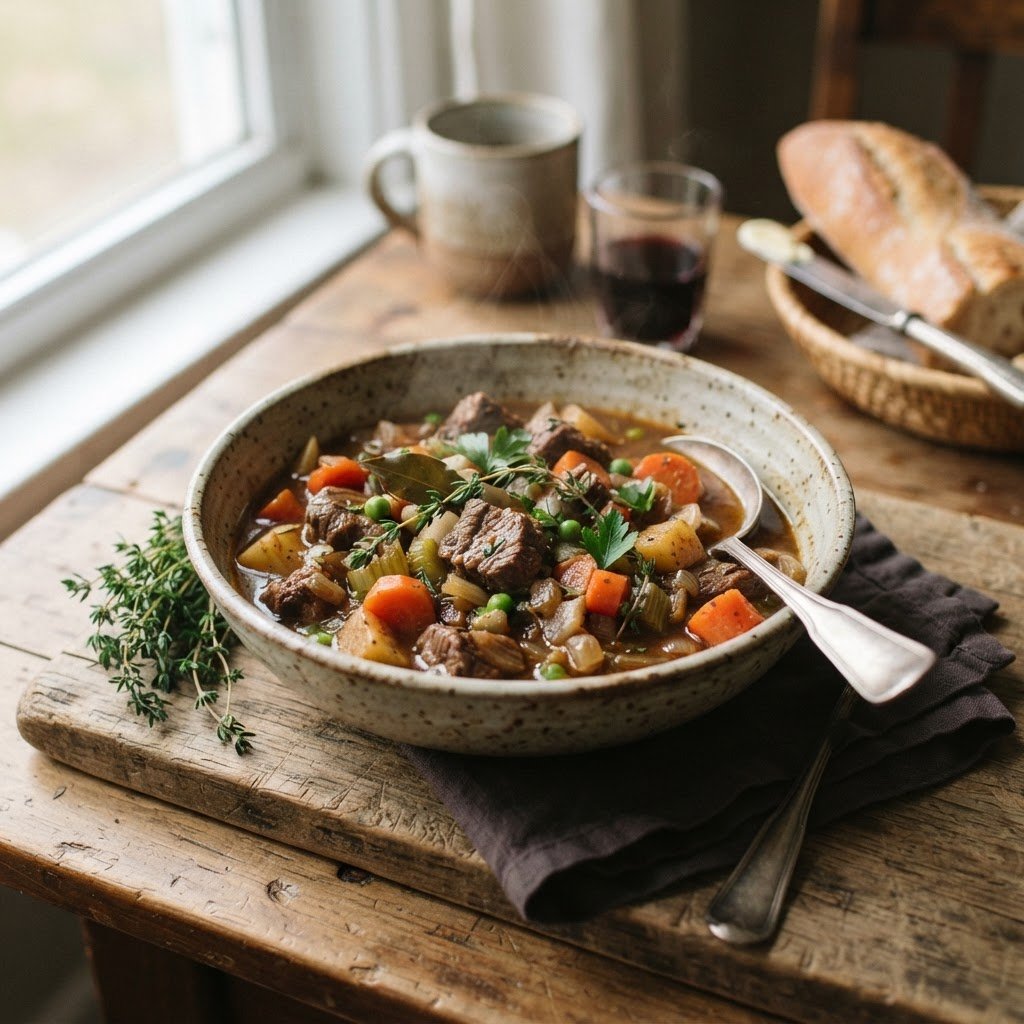
Classic Slow Cooker Beef Stew Recipe: Easy & Hearty
To make the perfect classic slow cooker beef stew, sear 2 lbs of flour-dusted chuck roast in a hot skillet, then slow-cook for 8 hours on low with 2 cups beef broth, 1 cup red wine, potatoes, carrots, and aromatics. This method breaks down tough connective tissue into fork-tender beef while developing a deep, rich gravy consistency.
Choosing the Right Ingredients for Success
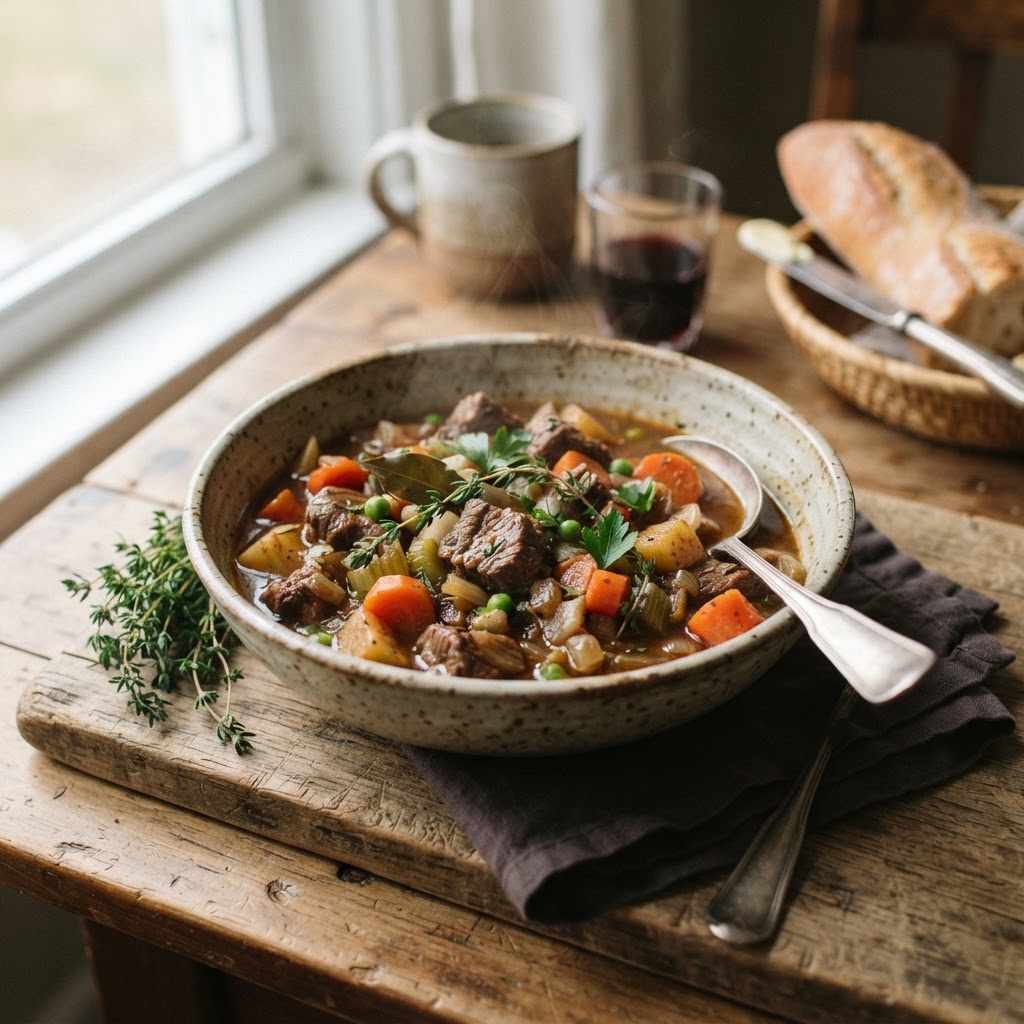
Selecting high-quality ingredients is the foundation of any classic beef stew recipe. When preparing slow cooker beef stew, start with chuck roast, which is widely considered the best cut of meat because it contains a high percentage of intramuscular fat and collagen that breaks down beautifully during the long cooking process. You should avoid leaner cuts like sirloin or round, as these will likely become tough, dry, or stringy when exposed to extended heat.
Beyond the protein, ensure you have fresh aromatics. Beef stew ingredients typically include onions, garlic, carrots, and celery, which provide a savory depth to the base. If you are looking for specific variations, you might consider adding butternut squash or mushrooms for an earthy twist. Remember to season your stew meat well with kosher salt and cracked black pepper before searing to build those essential layers of flavor. Using fresh thyme rather than dried can also elevate the aroma, though you should halve the amount if making this substitution.
Step-by-Step Recipe Instructions
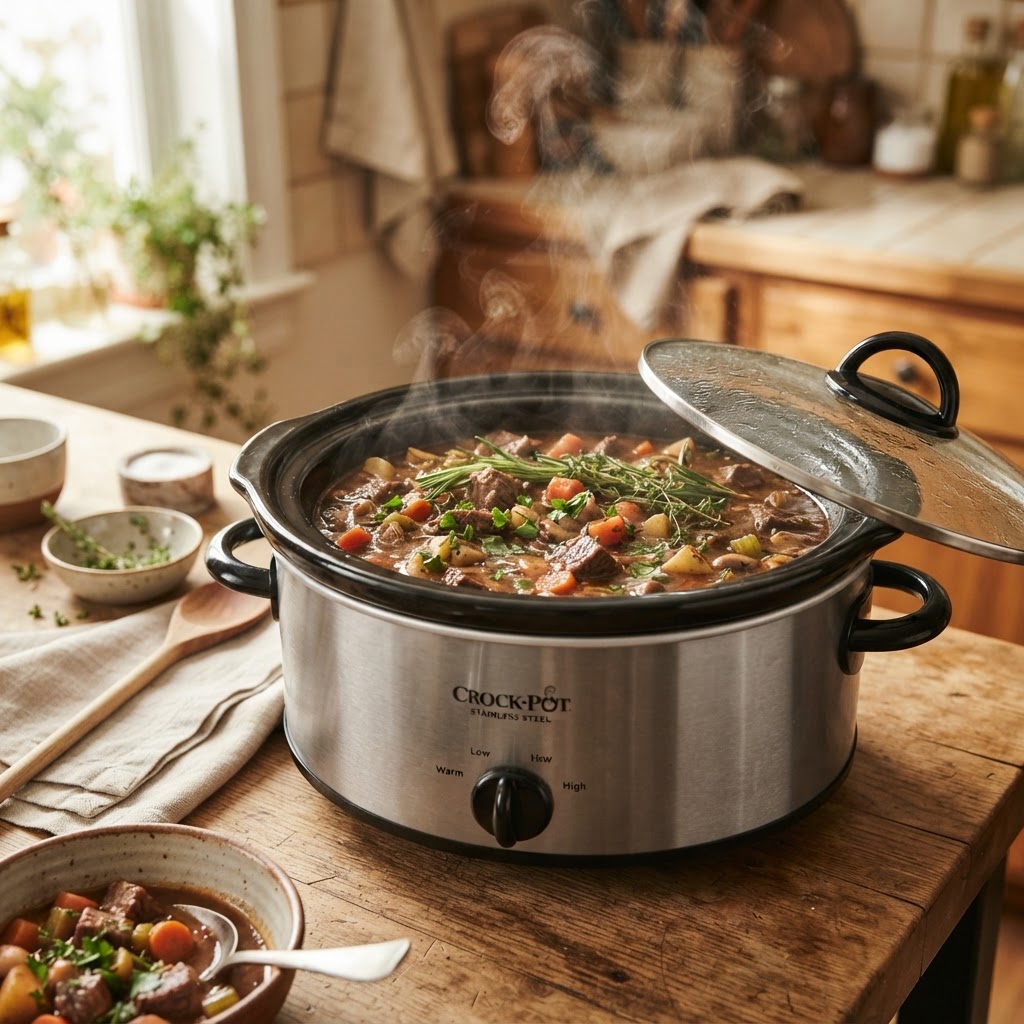
Ingredients You’ll Need
- 2 lbs beef chuck roast, cut into 1-inch cubes
- 3 tbsp all-purpose flour
- 1 tsp salt
- 1/2 tsp black pepper
- 2 tbsp olive oil
- 2 cups beef broth
- 1 cup red wine
- 3 large carrots, peeled and sliced
- 2 cups baby potatoes, halved
- 1 yellow onion, chopped
- 3 cloves garlic, minced
- 1 tsp dried thyme
Follow this clear, step-by-step guide to prepare this dish perfectly every time.
The Importance of Proper Searing
Many cooks wonder if searing is necessary for Crockpot dishes. While it adds a few extra minutes, browning the beef in a hot pan creates a Maillard reaction—a chemical reaction between amino acids and reducing sugars—which is critical for a rich, deep-colored sauce. This small step elevates your meal from a simple soup to a restaurant-quality beef dish by creating fond on the bottom of your pan. When you deglaze this fond with broth, you add layers of flavor that cannot be replicated by simply tossing raw meat into a cold slow cooker.
Step-by-Step Cooking Guide
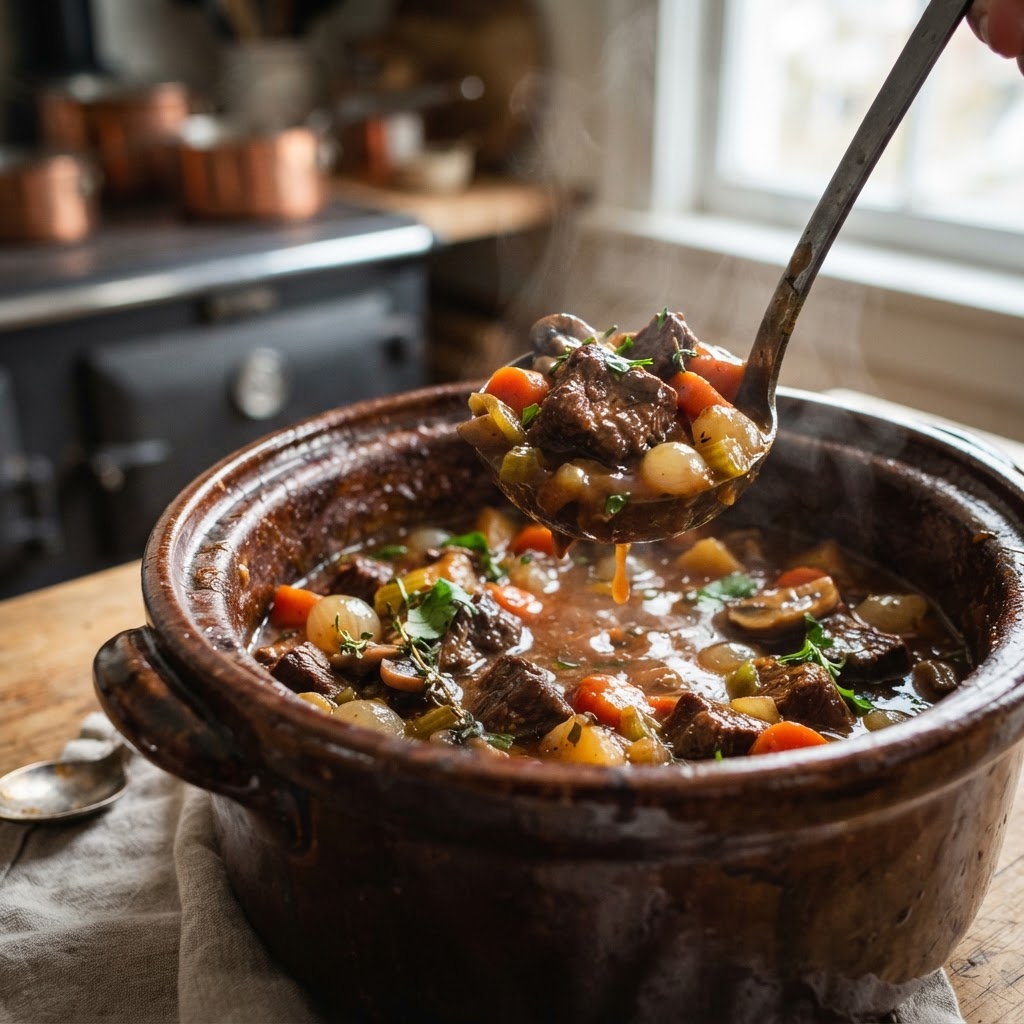
Learning how to make stew in a slow cooker involves a simple sequence that builds flavor gradually through structured heat application. Start by tossing your cubed meat in a mixture of flour, salt, and pepper, which not only seasons the meat but acts as a natural thickening agent for the final gravy. Sear the meat in a hot skillet until a dark crust forms on all sides, then transfer this to your cooker. Always deglaze your skillet with a splash of beef broth or red wine to capture all those delicious brown bits, ensuring none of that depth is lost.
Place your chopped carrots, potatoes, and onions into the base of the pot where the heat is most direct. Pour the broth and your aromatics—such as thyme, rosemary, and bay leaves—over the meat. Set your machine to low for 6 to 8 hours. This slow-cooked beef stew method ensures that the connective tissues in the meat melt away at 180°F to 200°F, resulting in a thick, hearty gravy that coats every bite perfectly. Using a slow-cooker method is 40% more energy-efficient than using a conventional oven for an 8-hour braise.
Mastering the Perfect Gravy
If you prefer a thick slow cooker beef stew, the secret lies in the precise ratio of liquid to starch and the evaporation control of your appliance. While the slow cooker does not allow liquid to evaporate as much as a pot on the stove, you can achieve a glossy, thick consistency by tossing the beef in flour before searing to create a roux-like base. Alternatively, if the stew looks too thin at the end of the cycle, whisk a tablespoon of cornstarch with two tablespoons of cold water to create a slurry and stir it in during the last 30 minutes of cooking. This slurry trick is the industry standard for achieving a restaurant-grade viscosity.
Many recipes for stew meat slow cooker methods also benefit from a touch of tomato paste or Worcestershire sauce. These pantry staples add umami (the fifth taste), which balances the natural sweetness of carrots and the earthiness of potatoes. For those following specific diets, you can easily adapt this by ensuring your thickeners are gluten-free or omitting potatoes in favor of lower-carb vegetables like radishes or turnips, which provide a similar texture profile without the excess starch.
Serving Suggestions and Variations
Serving your meal is half the fun, especially when you have a bowl of beef stew with carrots and potatoes steaming on a cold evening. You can pair this dish with a crusty baguette, which is perfect for mopping up the rich brown gravy. For a more traditional experience, try making a crockpot beef stew with dumplings, which soak up the savory liquid and add a satisfying, fluffy texture to the plate. Adding fresh herbs like parsley or chives at the very end provides a pop of color and a fresh finish that cuts through the richness of the stew.
There are numerous ways to experiment with this dish to keep your menu exciting. Consider a Guinness beef stew recipe slow cooker style if you enjoy a darker, maltier depth of flavor by replacing half the beef broth with Irish stout. If you want to keep it simple, a basic beef stew with local root vegetables is always a winner. Whether you are aiming for a classic beef bourguignon profile—enhanced with pearl onions and bacon lardons—or a simple meat-and-potato dinner, the slow cooker remains your most reliable tool in the kitchen for consistent, high-yield results.
Addressing Common Cooking Mistakes
One common error when making slow cooker beef stew is adding the vegetables too early. If your carrots and potatoes are chopped into smaller pieces (less than 1 inch), they may turn into mush before the beef is fully tender due to the extreme duration of the cook. To avoid this, add delicate vegetables in the last two hours of the cook time. Another major issue is overcrowding; ensure the meat is arranged in a single layer if possible, or at least not packed too tightly, to allow heat to circulate evenly and prevent cold spots that could lead to uneven cooking times.
Batch Cooking for Families
Using your crockpot for batch cooking is a game-changer for meal prep efficiency. You can prepare a large volume of stew—up to 6 quarts in larger models—divide it into individual portion-sized airtight containers, and freeze them for up to 3 months. This provides a healthy, homemade dinner option on nights when you do not have time to cook from scratch, ensuring you always have a nutritious, high-protein meal ready in under 5 minutes when using a microwave to reheat.
FAQ
How long does it take to cook stew meat in a crockpot?
Stew meat requires 6 to 8 hours on low heat for optimal tenderness. This duration allows the collagen in the tougher cuts of beef to hydrolyze into gelatin, creating a melt-in-your-mouth consistency that cannot be achieved with shorter, high-heat cooking methods.
Should I brown the meat before putting it in the slow cooker?
Yes, searing the meat in a hot pan is essential for flavor development. The Maillard reaction creates a complex savory crust on the exterior of the beef, which adds depth to the broth and contributes a rich, dark color to the finished gravy.
Can I make a gluten-free version of this stew?
Yes, you can easily make a gluten-free version by replacing the all-purpose flour with a 1:1 gluten-free flour blend or cornstarch. Always verify that your beef broth and Worcestershire sauce are certified gluten-free, as these are common hidden sources of wheat-based ingredients.
What are the best potatoes for beef stew?
Yukon Gold or red potatoes are the best choices because their waxy texture helps them hold their shape during long cooking times. Avoid starchy Russet potatoes, as they tend to disintegrate in the liquid, turning your broth into an overly thick, starchy paste.
Can I freeze leftover beef stew?
Yes, beef stew freezes exceptionally well in airtight containers for up to 3 months. To maintain the best quality, leave a small amount of headspace in the container to allow for expansion, and thaw in the refrigerator overnight before reheating on the stove.