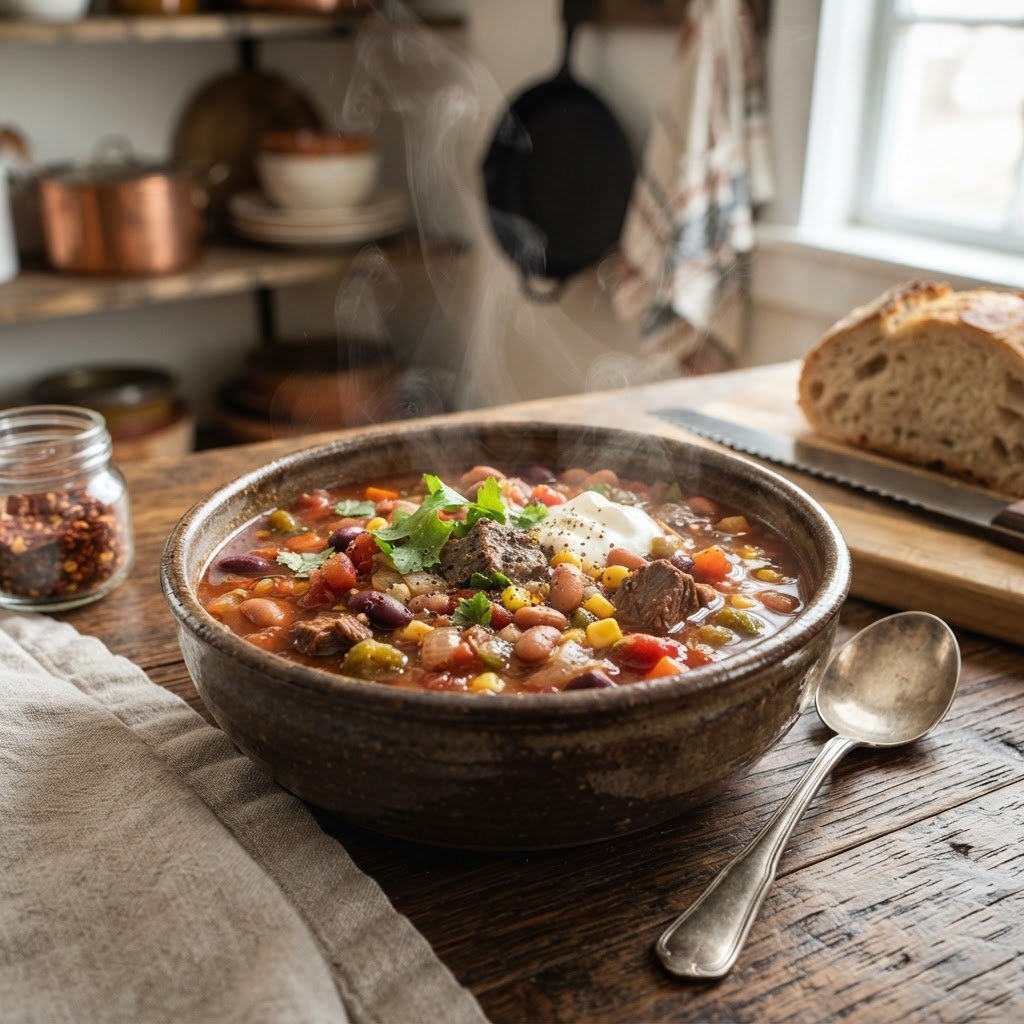
Hearty Slow Cooker Soup: The Best Cowboy Recipe Guide
To make the perfect hearty slow cooker Cowboy soup, combine 1 pound of browned ground beef, one diced yellow onion, 2 cups of beef broth, black beans, corn, diced tomatoes, and savory spices, then cook on low for 6 hours. This set-it-and-forget-it method creates a deeply flavorful, rustic meal perfect for feeding a crowd or managing weekly meal prep.
The Magic of Slow Cooking
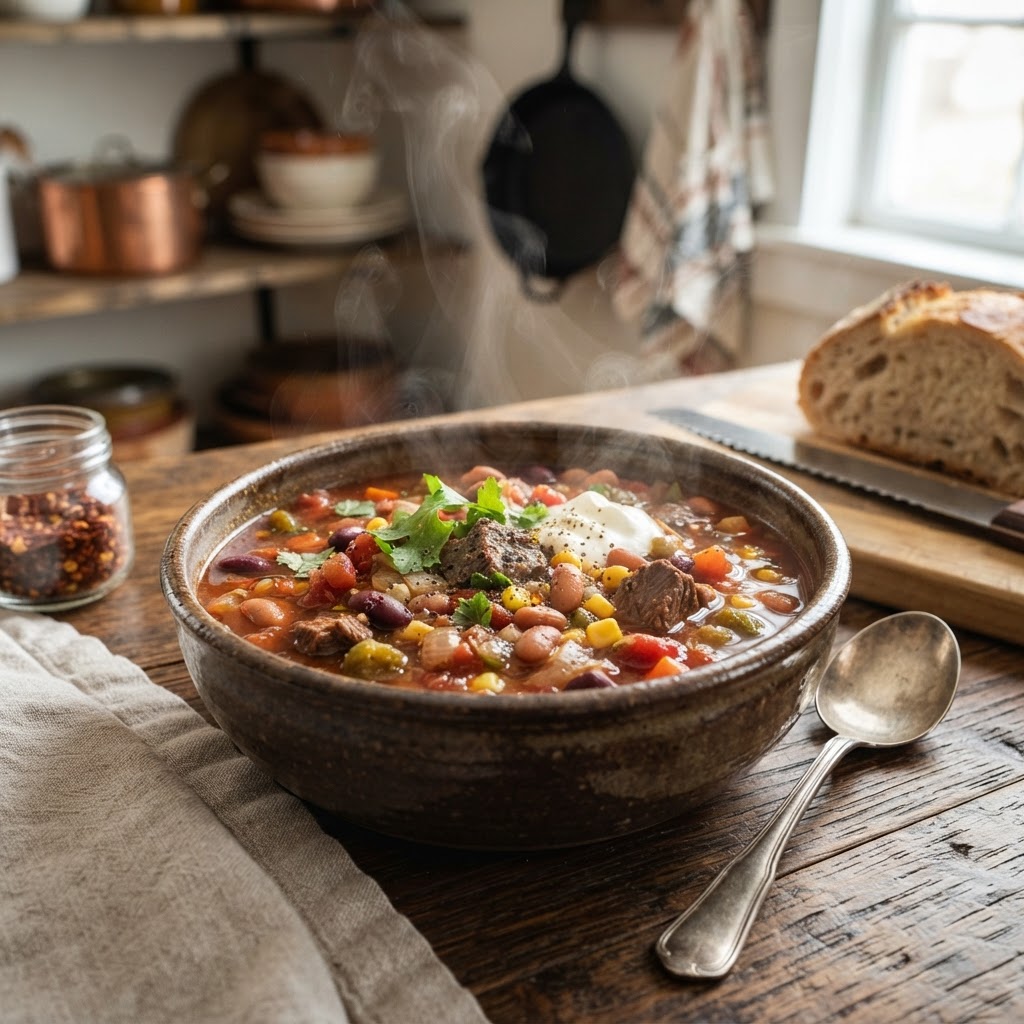
Starting your culinary journey with a slow cooker soup allows flavors to meld perfectly over several hours, ensuring every bite is infused with savory goodness. Whether you are looking for cold day crockpot recipes or planning your weekly meal prep, the set-it-and-forget-it nature of the device saves you time while producing results that rival any traditional stove-top method. Utilizing your crockpot is the foundation for easy cooking and provides endless opportunities for homemade recipes that satisfy the whole family. Slow cooking works by maintaining a steady temperature between 190°F and 205°F, which effectively breaks down connective tissues in proteins and softens hearty root vegetables without the risk of scorching that occurs at high heat. By minimizing water evaporation through a sealed lid, all the aromatic oils from your spices remain locked within the pot, resulting in a more concentrated and nutritious broth than one produced by rapid boiling. This culinary technique is not just for convenience; it is a scientifically sound way to ensure consistent texture and depth of flavor in every batch.
Step-by-Step Recipe Instructions
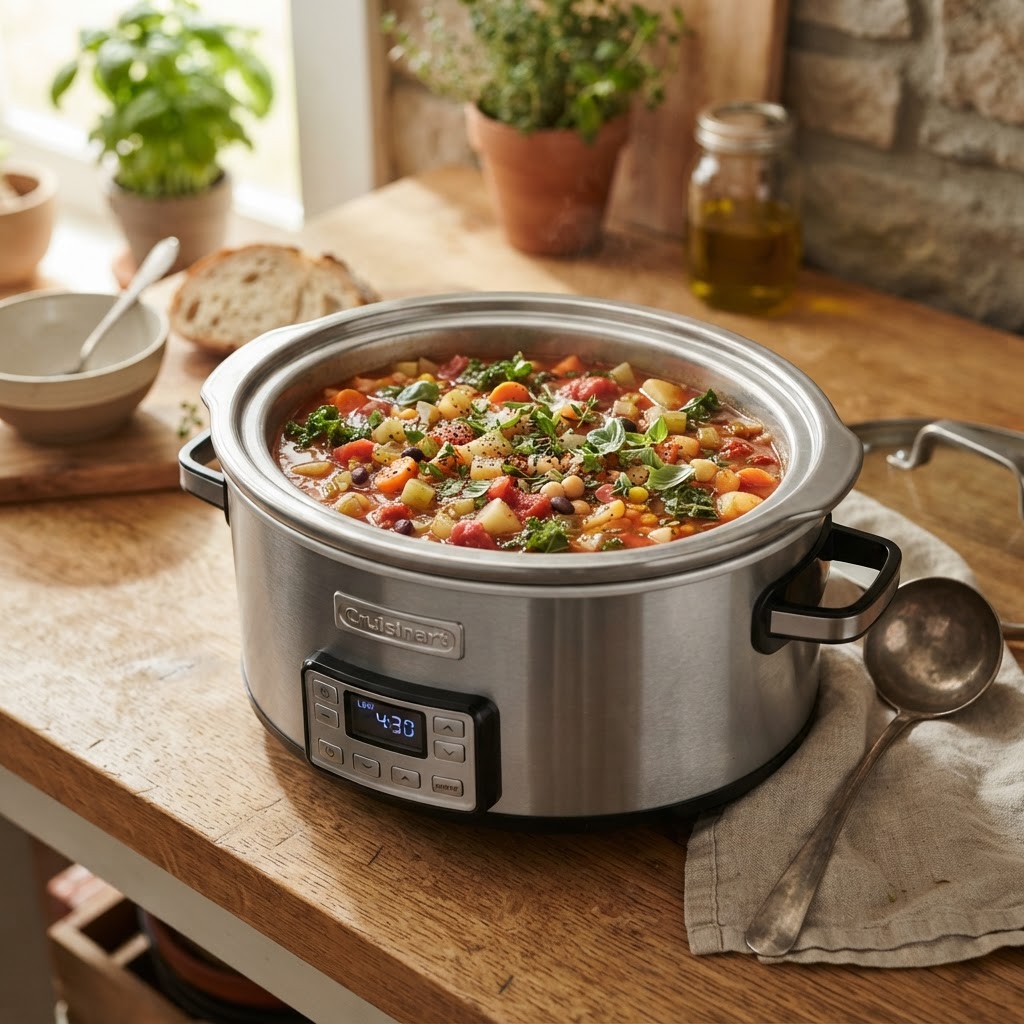
Ingredients You’ll Need
- 1 lb ground beef
- 1 medium yellow onion, diced
- 2 cups beef broth
- 1 can (15 oz) black beans, drained and rinsed
- 1 can (15 oz) corn kernels, drained
- 1 can (14.5 oz) diced tomatoes with juices
- 1 tbsp chili powder
- 1 tsp ground cumin
- 1/2 tsp salt
- 1/2 tsp black pepper
Follow this clear, step-by-step guide to prepare this dish perfectly every time.
Why Slow Cookers Win at Dinner
Most soups recipes crock pot style rely on the low-heat environment to tenderize tough cuts of meat and soften hearty vegetables. Unlike rapid boiling, a crockpot dump soup approach preserves the integrity of ingredients like potatoes, lentils, and carrots. From autumn dinners to spring lunches, having a library of slow cooker soup recipes at your disposal ensures you always have a comforting meal ready at the end of a busy day. Slow cookers generally consume about 70 to 150 watts of electricity, making them significantly more energy-efficient than running a full-sized electric oven for the same duration. Because the lid remains closed during the cooking cycle, your kitchen remains cool in the summer, preventing unwanted heat spikes in your home. Furthermore, this method allows for a ‘dump and go’ workflow where preparation takes less than 15 minutes, freeing up your schedule while the appliance does the heavy lifting. By preparing a large 6-quart batch, you can easily portion out four to six servings, effectively reducing your cost per meal to under $2.00 in many instances, compared to the $10-$15 price point for similar quality dishes at a standard restaurant.
Classic Cowboy Soup Foundations
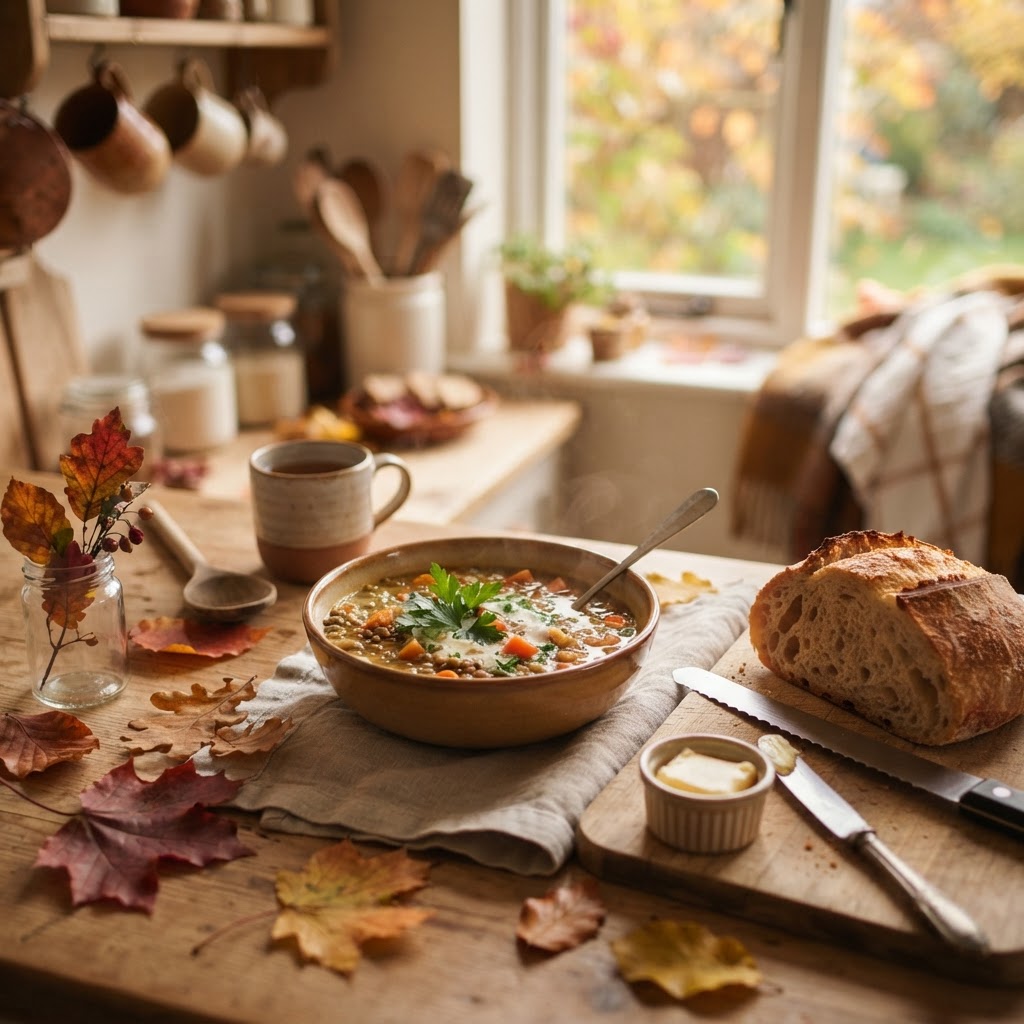
Every great bowl of soup starts with high-quality ingredients, and a Cowboy soup is no exception. This dish typically features a blend of ground beef or ham and beans, creating a robust base that feels like a full meal in a bowl. You can easily adapt this by adding various vegetable soup slow cooker recipes components, turning it into a versatile dish that fits any dietary preference, including Crockpot soup non-dairy options. The foundation of a successful Cowboy soup lies in the balance between the acidity of the tomatoes and the earthiness of the beans. To elevate the profile, consider the ‘Mirepoix’ ratio: use two parts onion to one part celery and one part carrot. While traditional Cowboy recipes lean toward beef, you can substitute 50% of the meat with finely diced mushrooms to achieve a similar umami profile with lower saturated fat content. When selecting beans, pinto and kidney beans are classic alternatives that hold their shape well under extended heat, providing a distinct color contrast against the dark, rich tomato base. Always rinse your canned beans thoroughly to remove excess sodium and starch, which ensures the broth remains clear rather than cloudy.
Essential Ingredients for Success
To build the perfect pot, prioritize fresh vegetables and a hearty protein source. If you want to experiment, try adding elements from other favorites like a creamy potato soup recipe or even a mock Crockpot recipes lasagna soup if you are feeling adventurous. The key to the best slow cooker soup is layering textures; consider adding barley for chewiness or extra tomatoes for acidity. Using a Crock pot lasagna soup recipe as inspiration can help you understand how to balance heavy, rich flavors with brighter, more acidic notes. A high-quality beef broth is essential; look for options labeled ‘low sodium’ to give you full control over the final salt content. For those looking for extra thickness, a tablespoon of tomato paste stirred into the broth provides a concentrated richness that cannot be matched by diced tomatoes alone. If your soup lacks body, consider blending a portion of the beans and returning them to the pot to create a natural, creamy thickening agent that enhances the mouthfeel of the dish without the need for flour or cornstarch.
Exploring Diverse Soup Profiles
Beyond the classic Cowboy bowl, the world of slow cooker soups is vast and exciting. You can master how to make potato soup with ease or dive into exotic flavors like an easy slow cooker Tom Kha soup recipe. For those who prefer plant-based dining, there are countless ways to make a slow cook vegetable soup that feels just as substantial as a meat-based stew. Below is a comparison of common slow-cooked styles to help you choose your next kitchen project.
Seasonal Cooking and Meal Prep
Planning your menu around the seasons is one of the smartest ways to keep your kitchen life organized. Fall soup ideas often revolve around squash and root vegetables, while winter dinner ideas shift toward rich, dense dishes like a thick potato soup crockpot style. By keeping a few fall crockpot meals on rotation, you simplify your fall lunch options and ensure you are prepared for those chilly days. Don’t forget that these dishes are perfect for when you need comfort food dinner ideas during a stressful week. Utilizing a seasonal calendar helps reduce grocery waste; for example, purchasing pumpkins and squash in October can reduce your per-pound produce cost by up to 40% compared to off-season pricing. Consider a ‘Batch Sunday’ approach, where you prepare two distinct soup bases that can be frozen in 2-cup portions. This practice ensures you have an instant dinner ready for those evenings when you have less than 10 minutes to spare. Investing in high-quality freezer-safe silicone bags can save significant space in your chest freezer, allowing you to store up to six months of meals efficiently while maintaining food quality standards.
The Versatility of Crockpot Soups
Whether you are preparing a quick soup recipe healthy enough for a weekday or a rich dish for a party, the best slow cooker soup is the one that tastes like it took all day to make but required very little effort. Many people find success by looking for soup recipe ideas that utilize a 2qt crockpot recipes setup for smaller households. You can even try recreating a chicken stew slow cooker version for a lighter alternative to beef-based stews. The versatility of the crockpot extends beyond just soups; you can experiment with poaching whole chickens or creating layered casseroles. The trick to maximizing this versatility is understanding your specific appliance’s ‘hot spot.’ Most slow cookers are hottest near the rear or the base. By rotating your pot halfway through the cooking time if your model has significant temperature variances, you ensure uniform doneness for ingredients like cubed potatoes or carrots. Adding fresh herbs like parsley or cilantro in the final 5 minutes of cooking provides a bright, visual pop of color that distinguishes a homemade meal from a standard commercial product.
Expert Tips for Slow Cooker Success
To achieve the status of best crockpot soup maker in your household, follow a few simple best practices for slow cooker safety and quality. Always brown your meat before adding it to the crockpot to lock in flavor and improve the texture of your homemade comfort food. Additionally, avoid lifting the lid too often, as this releases precious heat and extends your cooking time significantly. If you are making a creamy potato soup with real potatoes or a complex vegetable soup, keep an eye on your liquid levels to ensure the perfect consistency. One often overlooked tip is the ‘two-thirds rule’: never fill your slow cooker more than two-thirds of the way to the top to prevent boil-over and ensure even heat distribution. If you find your soup has become too thin, you can create a simple slurry by whisking one tablespoon of cornstarch with two tablespoons of cold water, then stirring it into the soup during the final 30 minutes of cooking. This technique creates a glossy, professional finish that clings to the back of a spoon, vastly improving the overall sensory experience of your slow cooker creations.
FAQ
Q: How do I prevent vegetables from becoming mushy?
Add delicate vegetables like zucchini, bell peppers, or leafy greens during the final 45 to 60 minutes of the cooking cycle. Harder root vegetables like potatoes and carrots should be added at the start, as they require the full duration to tenderize without losing their structural integrity.
Q: Can I put raw meat directly into a slow cooker?
You can technically put raw meat into a slow cooker, but it is highly recommended to brown it in a skillet first to develop a Maillard reaction. This caramelization process adds a depth of flavor and essential aesthetic color that cannot be achieved through slow cooking alone.
Q: How long can I keep slow cooker soup in the fridge?
Most slow cooker soups remain safe and delicious for 3 to 4 days when stored in an airtight container within a refrigerator set to 40°F or below. For longer storage, freeze the soup in individual portions for up to 3 months to maintain optimal texture and taste.
Q: Why does my soup taste bland after slow cooking?
Slow cooking can mellow flavors, so always taste and adjust seasonings with salt, pepper, or herbs just before serving. Adding a splash of acid, such as fresh lemon juice or red wine vinegar, right at the end can ‘brighten’ the soup and wake up dull flavor profiles.
Q: What is the ideal liquid-to-solid ratio for soup?
A safe starting point is using enough broth to just cover your solid ingredients, usually about 2 cups of liquid per pound of meat and vegetable base. Because slow cookers have minimal evaporation, you will not lose as much liquid as you would on a stovetop, so resist the urge to overfill.