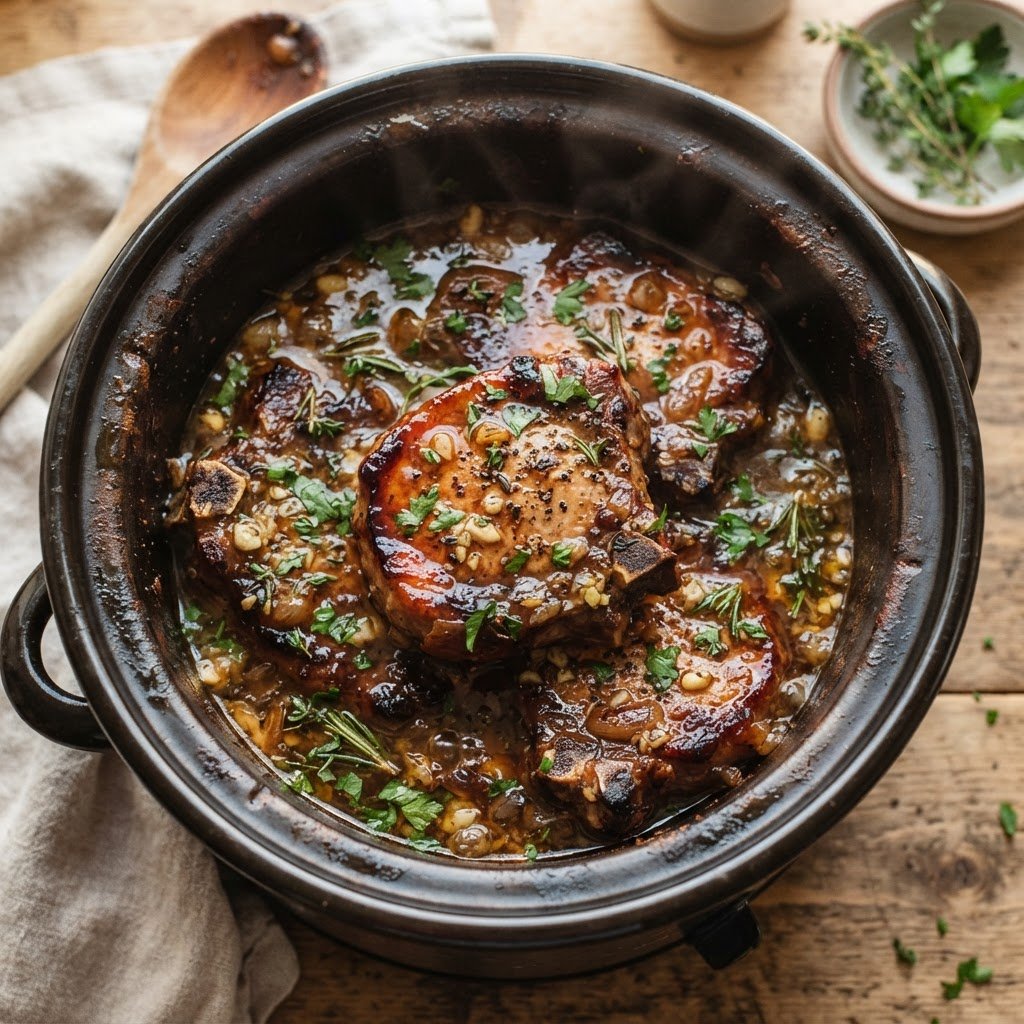
To make perfectly tender slow cooker pork chops, sear 1-inch thick bone-in chops for two minutes per side, then cook on low heat for 5-6 hours in a liquid base like mushroom soup or chicken broth. This method ensures the meat remains succulent and flavorful, preventing the common issue of dry, overcooked pork.
Getting Started with the Perfect Cut
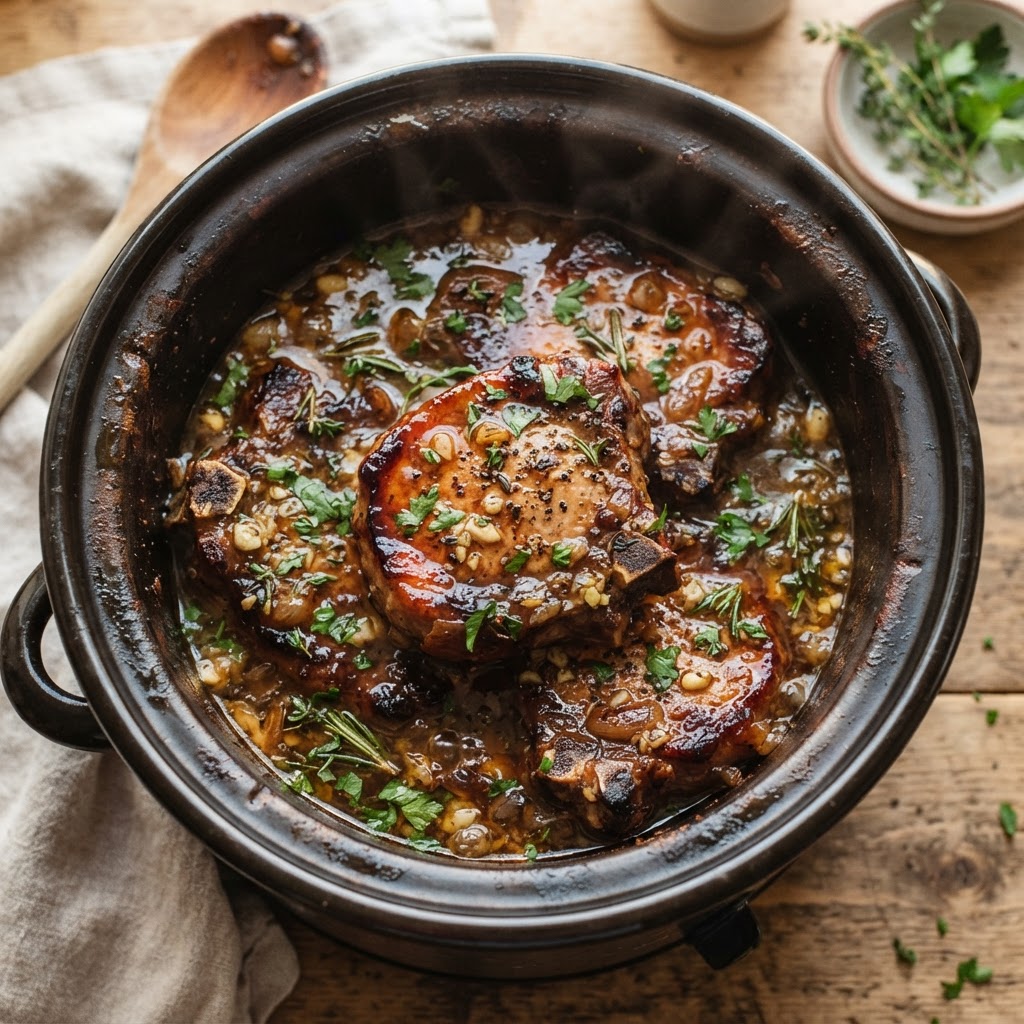
Selecting the correct cut is the primary factor in achieving professional-quality results with slow cooker pork recipes. If you are looking for a more streamlined preparation, our 3-ingredient slow cooker pork chops recipe offers a simplified method that relies on high-quality basics for maximum impact. Bone-in pork chops are statistically superior for long-simmering applications because the bone marrow and connective tissue release gelatin, which adds moisture and body to the sauce while protecting the meat from drying out. When shopping, prioritize chops that are at least 1-inch thick; thin-cut chops often lose their structural integrity and moisture levels when subjected to heat for more than four hours.
Comparison: Choosing Your Pork Cut
Understanding the anatomy of the pork helps in selecting the right cut for specific flavor goals. The sirloin area contains more marbling and is generally more forgiving during long cooking cycles, while the loin is leaner and requires precise timing. If you are specifically preparing slow cooker pork steaks, which are essentially cross-sections of the pork shoulder, you should increase your cook time by 60 to 90 minutes to allow the higher fat content to render properly, resulting in a fall-apart texture that is significantly more tender than standard loin chops.
Flavor Profiles and Sauce Pairings
Building a complex flavor profile is essential for transforming a simple pork chop into a gourmet-level, sauce-forward meal. The most effective method involves balancing a savory fat source, such as cream of mushroom soup or heavy cream, with an acidic element like apple cider vinegar or soy sauce to cut through the richness of the meat. A popular approach is to utilize a honey garlic pork tenderloin slow cooker glaze, where the sugars caramelize under the consistent heat, creating a glossy, deep-brown finish that adheres to the pork without burning, a common issue when using high-heat methods. If you are looking for a foolproof, restaurant-quality meal, our creamy garlic slow cooker pork chops recipe is a fantastic way to master the balance of savory flavors and tender meat. If you are looking for a complete meal solution that perfectly balances protein and sauce, our easy tender slow cooker pork chops with gravy recipe provides everything you need for a comforting, restaurant-quality dinner at home.
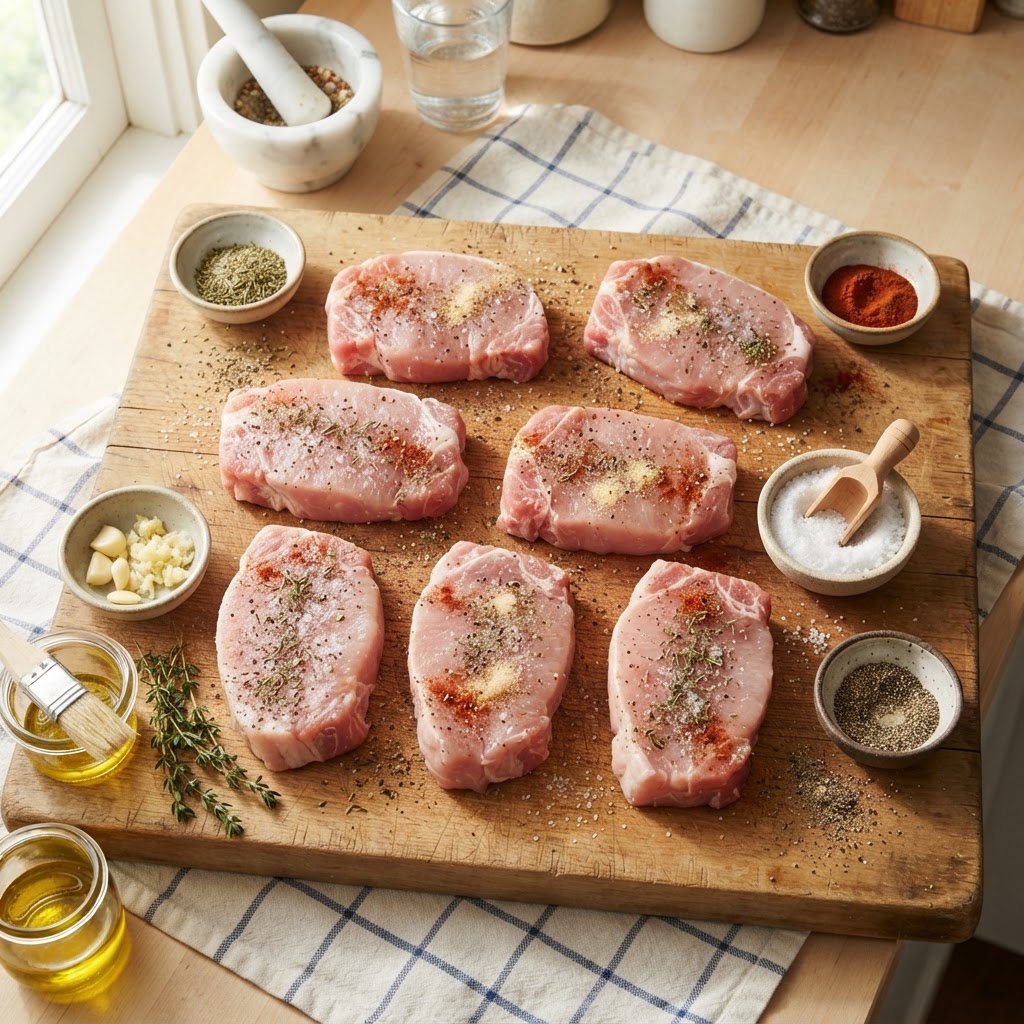
For those seeking variety, consider using a dry rub beneath your liquid braising medium to add complexity. A mixture of smoked paprika, brown sugar, and onion powder applied before the initial sear acts as a foundation for the sauce. By whisking these seasonings into your liquid base—be it broth, wine, or cider—you ensure that the flavor permeates the muscle fibers of the meat throughout the 6-hour cooking cycle rather than simply sitting on the surface.
The Magic of Apples and Onions
Incorporating apples and onions creates an ideal chemical balance where the fructose in the fruit interacts with the savory proteins of the pork to soften the meat and enhance sweetness. This pairing is a culinary staple in regions known for orchard-grown produce, and it works exceptionally well in a slow cooker because the closed environment traps the aromatics, essentially braising the chops in an apple-infused steam. If you are looking for specific apple and pork chop recipes crockpot friendly, try adding sliced Granny Smith apples during the last hour, or check out our guide on pork chops with apples for more variations.
When adding these components, the order of operation matters significantly for texture. Sliced onions should be placed at the very bottom of the crockpot to serve as a trivet, which prevents the chops from scorching and allows the onions to melt into a jam-like consistency. Apples, specifically high-acid varieties like Granny Smith or Braeburn, should be added toward the end of the cooking process—specifically during the final 60 minutes—to ensure they maintain a pleasant structure rather than turning into applesauce. This layering technique provides a dynamic texture contrast that elevates the dish, making the one-pot meal feel like a restaurant-grade preparation rather than a simple dump-and-go recipe. The moisture released from these ingredients also reduces the need for heavy sodium-based thickeners.
Step-by-Step Recipe Instructions
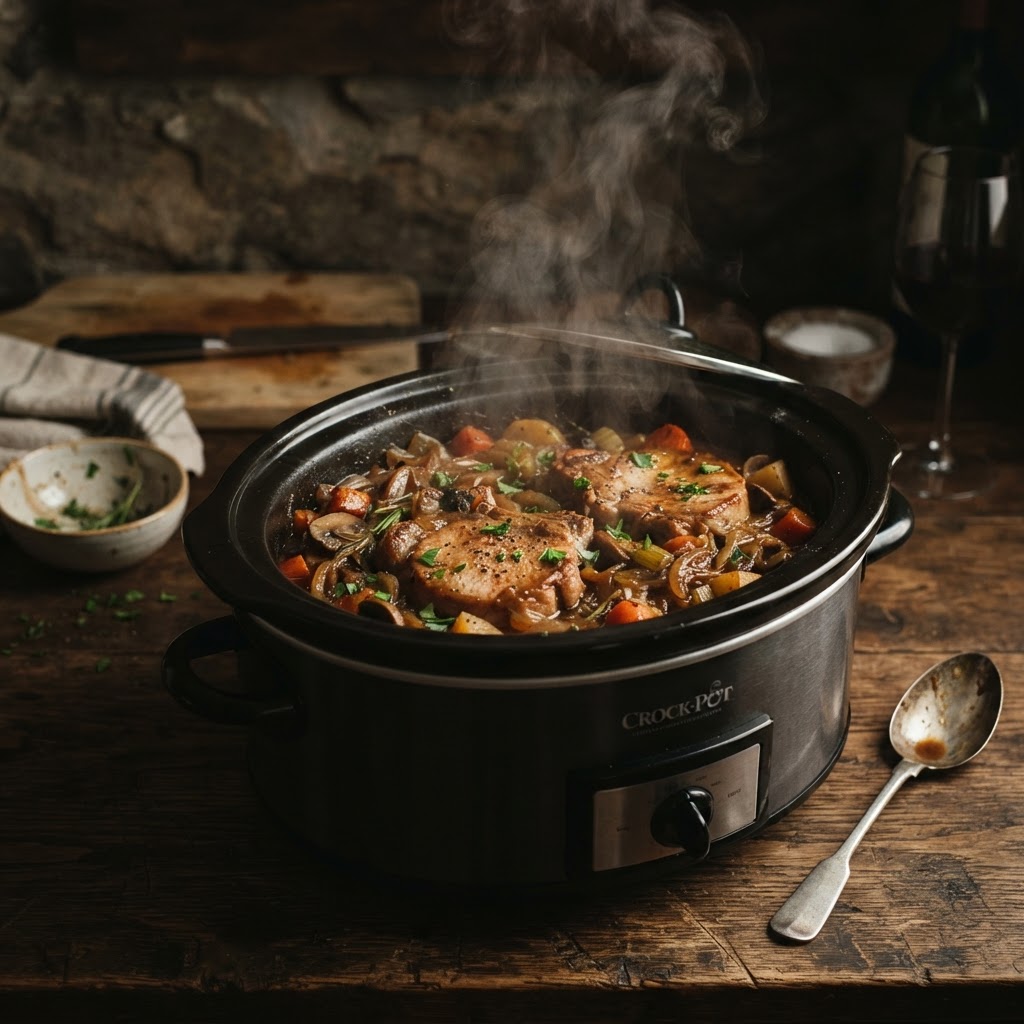
Ingredients You’ll Need
- 4 bone-in pork chops, 1-inch thick
- 1 teaspoon kosher salt
- 1/2 teaspoon black pepper
- 1 tablespoon olive oil
- 1 packet (1 oz) dry onion soup mix
- 1 can (10.5 oz) cream of mushroom soup
- 1/2 cup low-sodium chicken broth
- 2 cloves garlic, minced
- 1 teaspoon dried thyme
Tips for Success with Crockpot Pork Chops
Professional results in a slow cooker rely on temperature management and meat placement to ensure even cooking across every chop. Avoid overcrowding the vessel; each chop needs at least one inch of space around it to ensure the liquid base can circulate freely and heat the center of the meat uniformly. If you find your chops are cooking too fast, ensure your appliance is set to the ‘Low’ setting rather than ‘High,’ as ‘High’ often exceeds 200°F (93°C), which can toughen the protein fibers in lean pork chops rapidly.
Monitoring Your Cooking Time
Timing is critical, as the difference between succulent pork and dry, stringy meat is often only 30 minutes. Use a digital meat thermometer to check for an internal temperature of 145°F (63°C), which is the FDA-recommended safe temperature for pork. By removing the chops the moment they hit this target, you ensure maximum juiciness. If you are preparing boneless cuts, reduce the total cooking time by at least 60 minutes compared to bone-in options, as they contain less fat and connective tissue to protect them from the prolonged heat environment. Additionally, if your sauce appears too thin at the end of the cycle, remove the chops and whisk in a small amount of cornstarch slurry (1 tablespoon cornstarch to 2 tablespoons cold water) while the liquid is on the high setting to achieve a professional, clingy consistency.
Incorporating Sides and Serving Suggestions
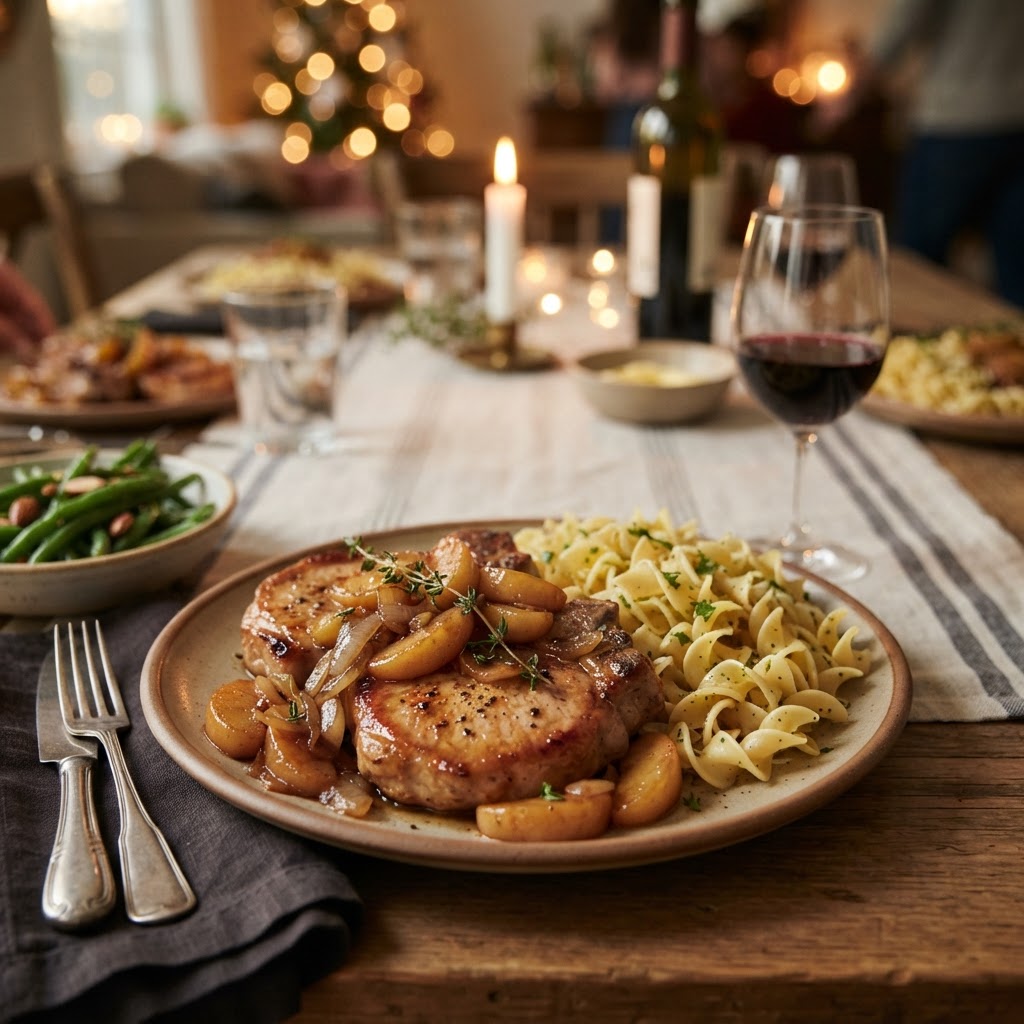
Serving side dishes that complement the rich, savory nature of slow-cooked pork can significantly improve the overall dining experience. Because the pork is cooked in a flavorful liquid, your sides should be chosen for their ability to absorb that gravy, such as mashed potatoes, parsnip puree, or al dente egg noodles. If you prefer to keep the meal light, consider serving the chops atop a bed of sautéed greens, such as kale or Swiss chard, which can be quickly blanched in the residual heat of the slow-cooked sauce before serving.
For those adhering to dietary restrictions like keto or low-carb diets, roasted cauliflower mash serves as an excellent, lower-glycemic substitute for potatoes. The key is to introduce texture; since slow-cooked meat is universally soft, adding crunchy elements like toasted almonds, fried onions, or raw diced apples as a garnish provides a necessary sensory contrast. If you are feeling creative, you can also incorporate root vegetables like carrots, parsnips, or baby potatoes directly into the slow cooker alongside the pork during the final three hours of cooking. This not only saves you from preparing a secondary dish but also ensures the vegetables are infused with the savory garlic and onion drippings, making them a delicious, integrated part of the main course. If you are looking for another hearty, hands-off meal to round out your weekly menu, try our favorite recipe for the best slow cooker soup featuring creamy potatoes and savory seasonings. If you enjoy one-pot meals that rely on the same low-and-slow methodology, our classic slow cooker beef stew is another excellent option for achieving fall-apart tenderness.
FAQ
Q: How long should I cook pork chops in a slow cooker?
Most bone-in pork chops require 5 to 6 hours on the low setting to reach optimal tenderness. If you are using thinner, boneless cuts, monitor them closely after 3 to 4 hours to prevent the meat from drying out due to a lack of intramuscular fat.
Q: Should I sear my pork chops before slow cooking?
Yes, searing your pork chops for two minutes per side in a hot skillet is highly recommended to improve flavor and texture. This process initiates the Maillard reaction, creating a savory crust that stays intact and adds depth to the sauce while preventing the meat from becoming mushy.
Q: Can I make this meal with frozen pork chops?
It is strongly advised to thaw your pork chops completely before slow cooking to ensure food safety. Using frozen meat can keep the internal temperature in the ‘danger zone’ (between 40°F and 140°F) for too long, which increases the risk of bacterial growth before the meat reaches a safe temperature.
Q: How do I keep pork chops from drying out in the slow cooker?
To prevent drying, always use bone-in cuts, maintain a liquid-to-meat ratio that keeps the pork partially submerged, and cook strictly on the low setting. Avoid lifting the lid during the cooking process, as each opening releases heat and extends the required time, which further dries out the protein.
Q: What is the best way to thicken the sauce after cooking?
Remove the cooked pork chops from the slow cooker and whisk in a slurry made of 1 tablespoon of cornstarch mixed with 2 tablespoons of cold water. Turn the slow cooker to the high setting for 10-15 minutes, allowing the sauce to bubble and thicken into a rich gravy.