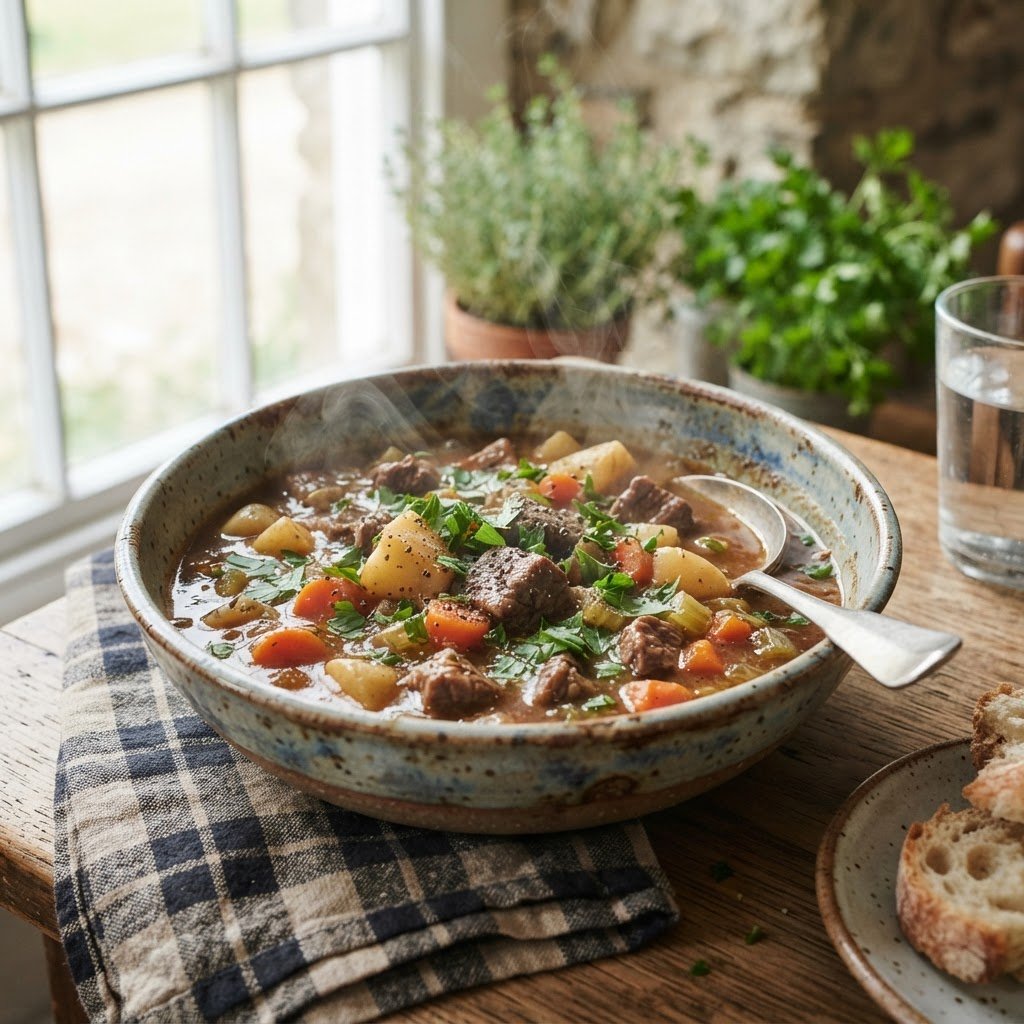
To make a thick, rich slow cooker beef stew, sear two pounds of cubed beef chuck roast coated in flour before adding it to the slow cooker with vegetables, broth, and herbs. Cook on low for 7-8 hours, stirring in a cornstarch slurry during the final 30 minutes to achieve a perfect, velvety gravy consistency. This classic method ensures tender meat and deep flavor in a hands-off, comfort-food meal.
Mastering the Basics of Slow Cooker Beef Stew
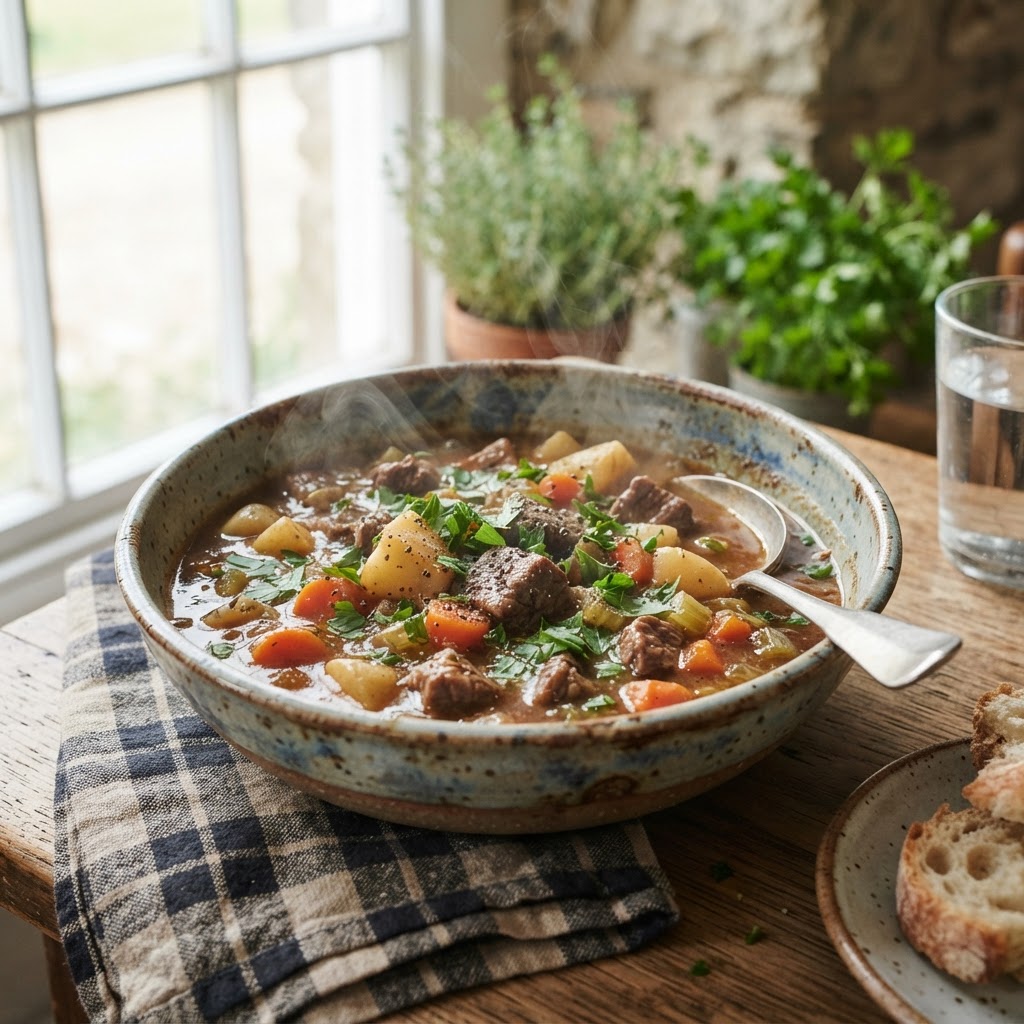
Creating the perfect meal starts with understanding the foundational elements of this slow cooker beef stew recipe, focusing on aromatics, quality protein, and scientific thickening techniques. The process begins with the browning of the meat, a critical step that initiates the Maillard reaction—a chemical reaction between amino acids and reducing sugars that gives browned food its distinctive flavor. By searing your chuck roast in a skillet for 8 minutes until a dark crust forms, you lock in complex savory profiles that a slow cooker cannot develop on its own.
When preparing an easy crockpot beef stew, balancing the liquid-to-vegetable ratio is essential for preventing a watery result. Use exactly 2 cups of high-quality beef broth to ensure the ingredients are submerged but not swimming, which allows the natural juices from the beef and onions to concentrate during the 7-8 hour cooking cycle. Professional results rely on this foundational control. Whether you are using a standard Crockpot Beef Stew Recipes Slow Cooker method or a modern programmable model, the key is maintaining steady heat. Adding fresh aromatics like garlic and onions at the start allows their flavors to permeate the tough connective tissues of the beef, resulting in a dish that tastes like it has been simmered for days rather than hours. For those interested in Homemade Beef Stew With Peas, always incorporate them in the last 15 minutes to preserve their bright green color and snap.
Achieving the Perfect Thick Gravy
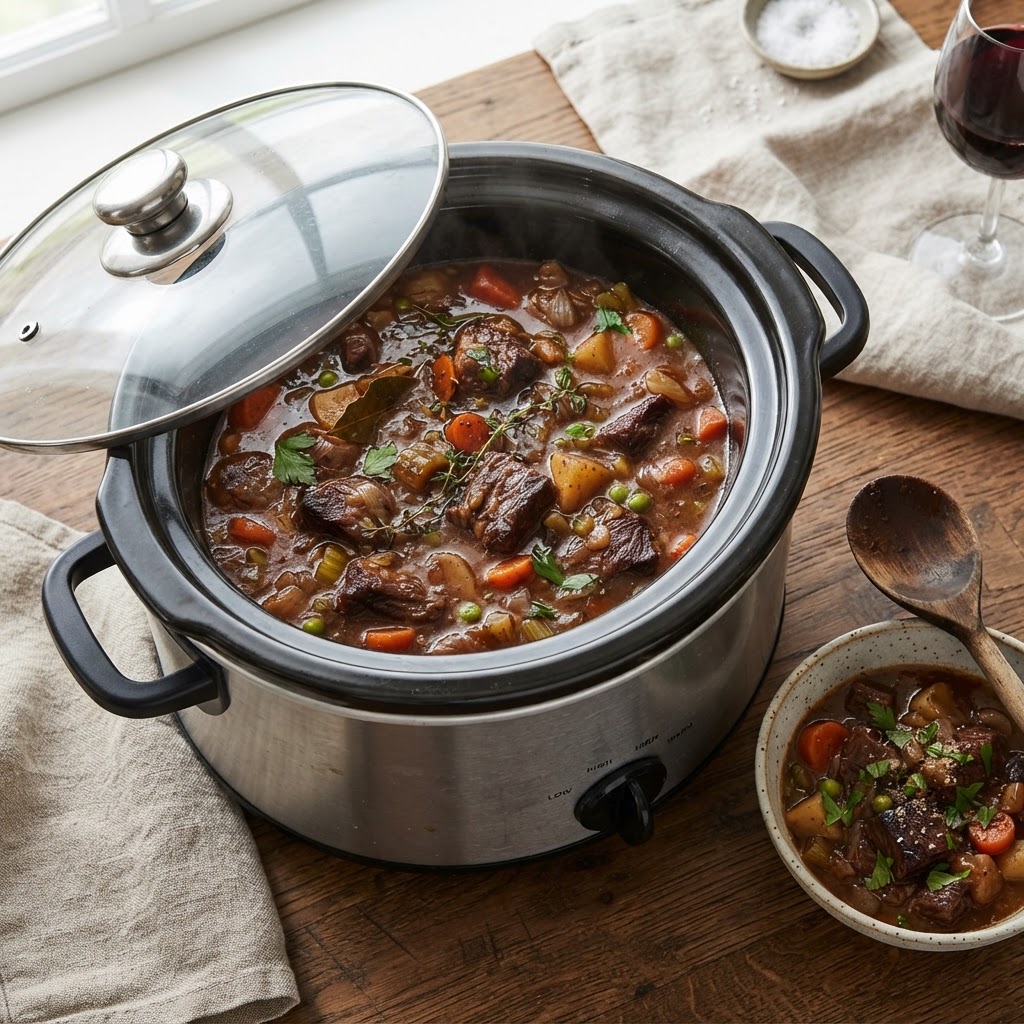
Achieving a thick, velvety gravy that clings to the back of a spoon requires a calculated approach to starch management and reduction, moving away from thin, watery broths. The most reliable method for a crockpot thick beef stew is the cornstarch slurry technique, which acts as a powerful thickening agent when heated. By whisking 2 tablespoons of cornstarch with 2 tablespoons of cold water—never hot, as this causes clumping—and stirring it into the liquid during the final 30 minutes of cooking, you create a stable, professional-grade sauce.
Another effective strategy is to coat your beef cubes in 3 tablespoons of all-purpose flour before searing. As the flour toasts during the browning process, it integrates with the rendered beef fat to create a natural roux base. This foundation, when combined with the gelatin released from the beef chuck as it breaks down, provides a superior mouthfeel. If your gravy remains too thin, consider the ‘reduction’ technique by leaving the lid off the slow cooker for the final 20 minutes on the high setting to evaporate excess moisture. This is especially useful for those crafting a Crockpot Beef Stew Without Wine, where acidity is lower and starch-based thickening becomes the primary driver of body. The goal is a viscosity that coats a spoon completely, ensuring every bite is rich, savory, and deeply satisfying.
Diverse Variations for Every Taste
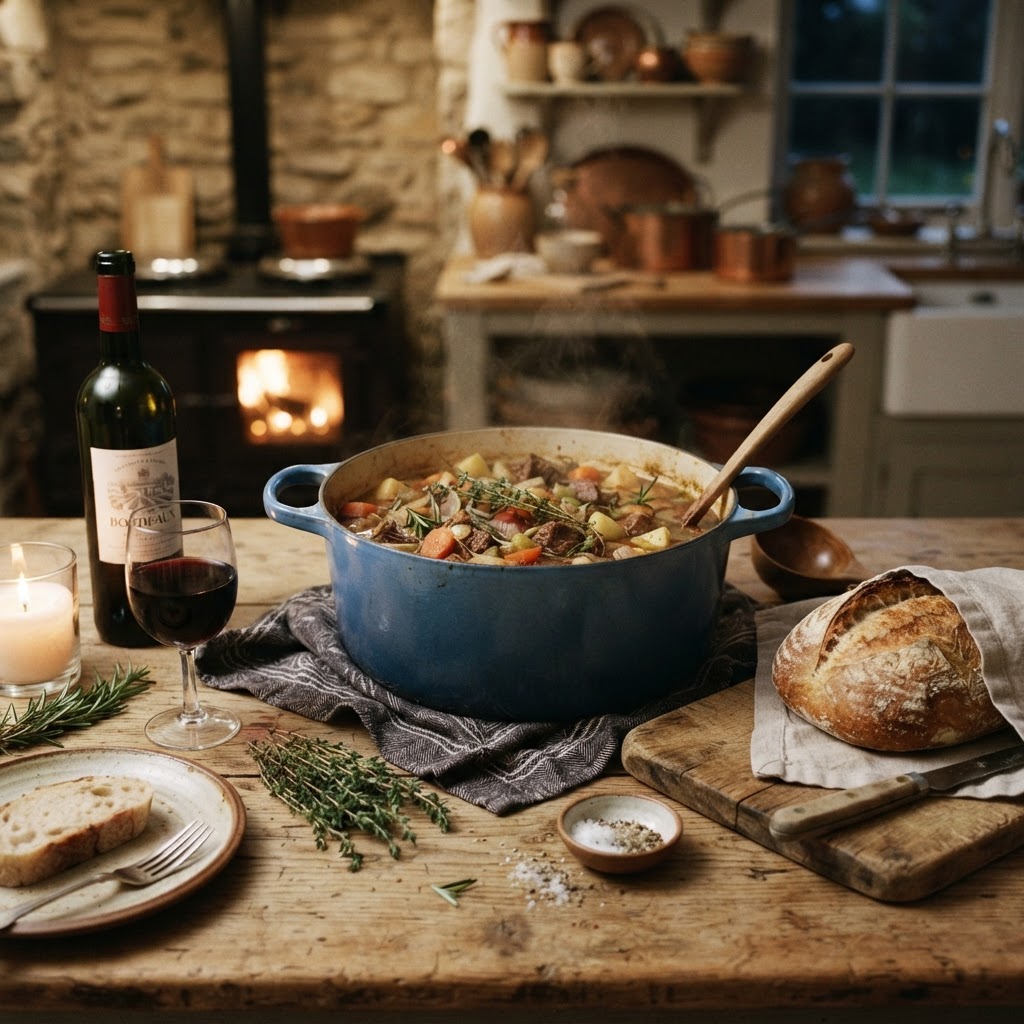
Adaptability is the hallmark of a great Beef Stew Meat Recipes Crockpot Simple approach, allowing you to pivot from traditional Irish influences to low-carb or gluten-free variations. The versatility of the slow cooker makes it one of the most reliable Crock Pot Dinner Recipes For Family gatherings, as the liquid environment easily accommodates diverse flavor profiles. For a traditional Irish-style approach, substituting half of the beef broth with a rich stout like Guinness introduces deep, malty notes that pair perfectly with root vegetables.
If you are managing dietary restrictions, the recipe is highly modular. You can easily create Beef Stew Crock Pot Recipes Keto-friendly by replacing high-starch potatoes with low-glycemic vegetables like radishes, which provide a similar bite but with significantly fewer carbohydrates. For those seeking a Gluten Free Beef Soup, swapping all-purpose flour for a 1:1 gluten-free baking blend or arrowroot powder provides the same thickening power without the wheat. Furthermore, the inclusion of seasonal vegetables like butternut squash adds a subtle sweetness that cuts through the richness of the beef, elevating the dish into a complex, multi-dimensional experience. Whether you are aiming for a traditional comfort meal or a modern health-conscious bowl, the base technique remains robust enough to handle these ingredient swaps without compromising the integrity of the cooking time or the texture of the finished gravy. Always aim for a ratio of 2:1 vegetables to meat for optimal nutritional balance.
Step-by-Step Recipe Instructions
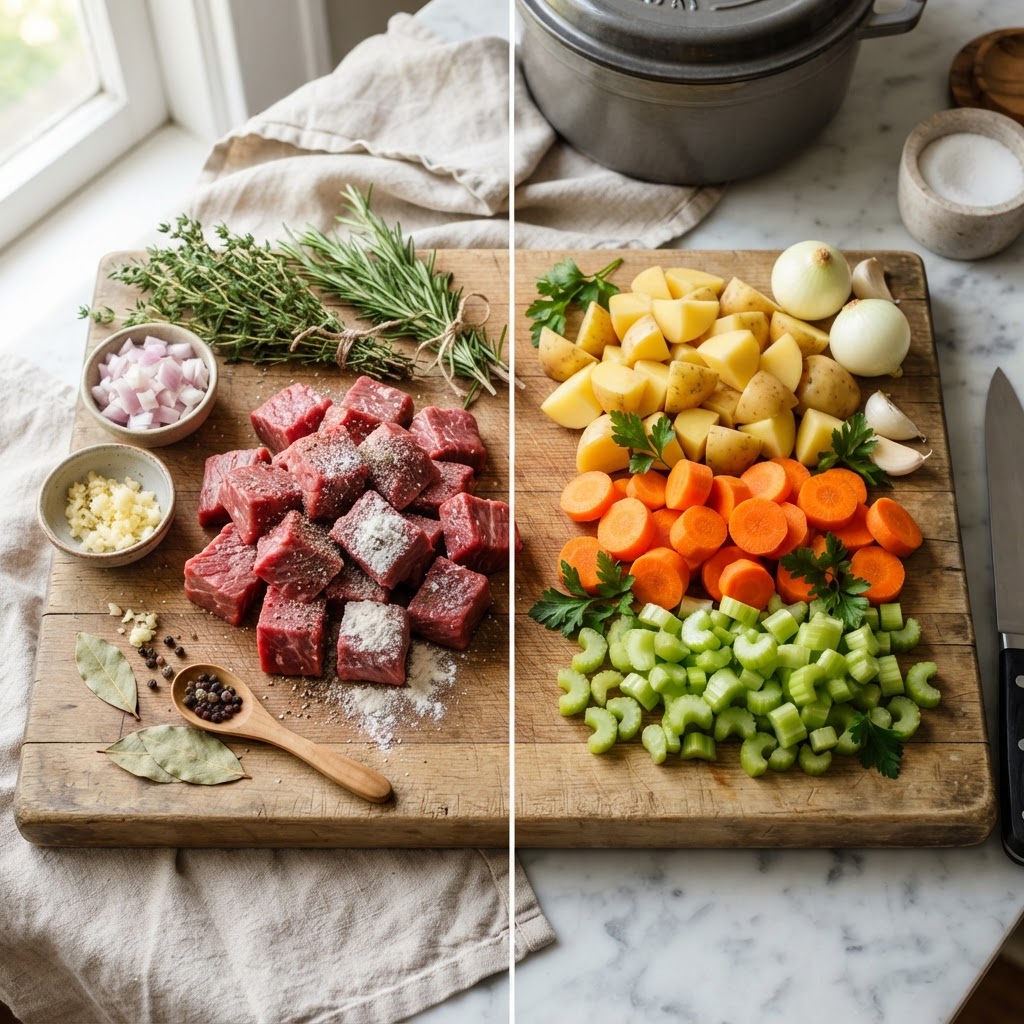
Ingredients You’ll Need
- 2 lbs beef chuck roast, cut into 1-inch cubes
- 3 tablespoons all-purpose flour
- 1 teaspoon salt
- 0.5 teaspoon black pepper
- 2 tablespoons olive oil
- 1 onion, chopped
- 3 cloves garlic, minced
- 2 cups beef broth
- 1 tablespoon Worcestershire sauce
- 3 large carrots, sliced
- 2 cups potatoes, cubed
- 2 tablespoons cornstarch mixed with 2 tablespoons water
Efficient Cooking and Batch Preparation
Strategic batch cooking is the most efficient way to maximize the shelf life and flavor development of your homemade beef stew. Because beef stew contains high amounts of collagen that gelatinize during the cooling process, it often tastes better on the second day as the starches and proteins fully hydrate. A batch prepared in a 6-quart slow cooker can feed a family of four for two full dinners, making it a cornerstone of economical weekly meal planning.
To optimize your workflow, pre-chop all mirepoix (onions, carrots, celery) the evening before and store them in airtight containers. This reduces active kitchen time to under 15 minutes in the morning. When managing your leftovers, store them in glass containers to prevent staining and flavor migration from the plastic. Properly refrigerated, the stew remains safe and palatable for up to 4 days, or it can be frozen for up to 3 months. If freezing, leave 1 inch of headspace in the container, as the liquid will expand. Reheat frozen stew gently on the stovetop over medium-low heat; if the gravy has separated, whisking in a teaspoon of warm water will emulsify it back to its original velvety texture. By utilizing these storage methods, you transform a single, time-intensive cooking session into an “emergency” dinner supply that rivals the convenience of store-bought frozen meals while maintaining superior nutritional quality.
FAQ
How do I prevent my vegetables from getting too mushy?
Add vegetables to the slow cooker in larger, 1.5-inch chunks to withstand the 7-8 hour cooking duration. If your slow cooker runs particularly hot, consider adding delicate vegetables like potatoes and carrots halfway through the cooking time to ensure they remain firm while the beef reaches tender perfection.
Can I use frozen vegetables in my slow cooker beef stew?
Add frozen vegetables during the final 30 to 45 minutes of the cooking cycle to maintain their texture. Because frozen vegetables are already blanched, they lose structure rapidly; adding them too early will cause them to disintegrate into the gravy, which may muddy the overall appearance of the dish.
Is it necessary to sear the beef before slow cooking?
Searing is highly recommended as it creates the Maillard reaction, which is chemically impossible to achieve inside the moist, low-temperature environment of a slow cooker. Browning the meat for at least 8 minutes develops deep, roasted flavor notes that provide the professional, savory profile expected in high-quality beef stew.
How can I make my stew thicker without using flour?
Use a cornstarch or arrowroot powder slurry by whisking 2 tablespoons of the starch with 2 tablespoons of cold liquid before stirring it into the stew during the final 30 minutes. This method provides a clear, glossy, and thick gravy without the heavy, cooked-flour taste associated with traditional roux-based methods.
Can I make this stew in an Instant Pot if I am in a hurry?
Yes, use the ‘Sauté’ function to brown the beef, then pressure cook on high for 35 minutes with a 15-minute natural release. This high-pressure method effectively breaks down connective tissue in significantly less time than a traditional slow cooker, producing comparable tenderness and a naturally thicker, concentrated gravy.