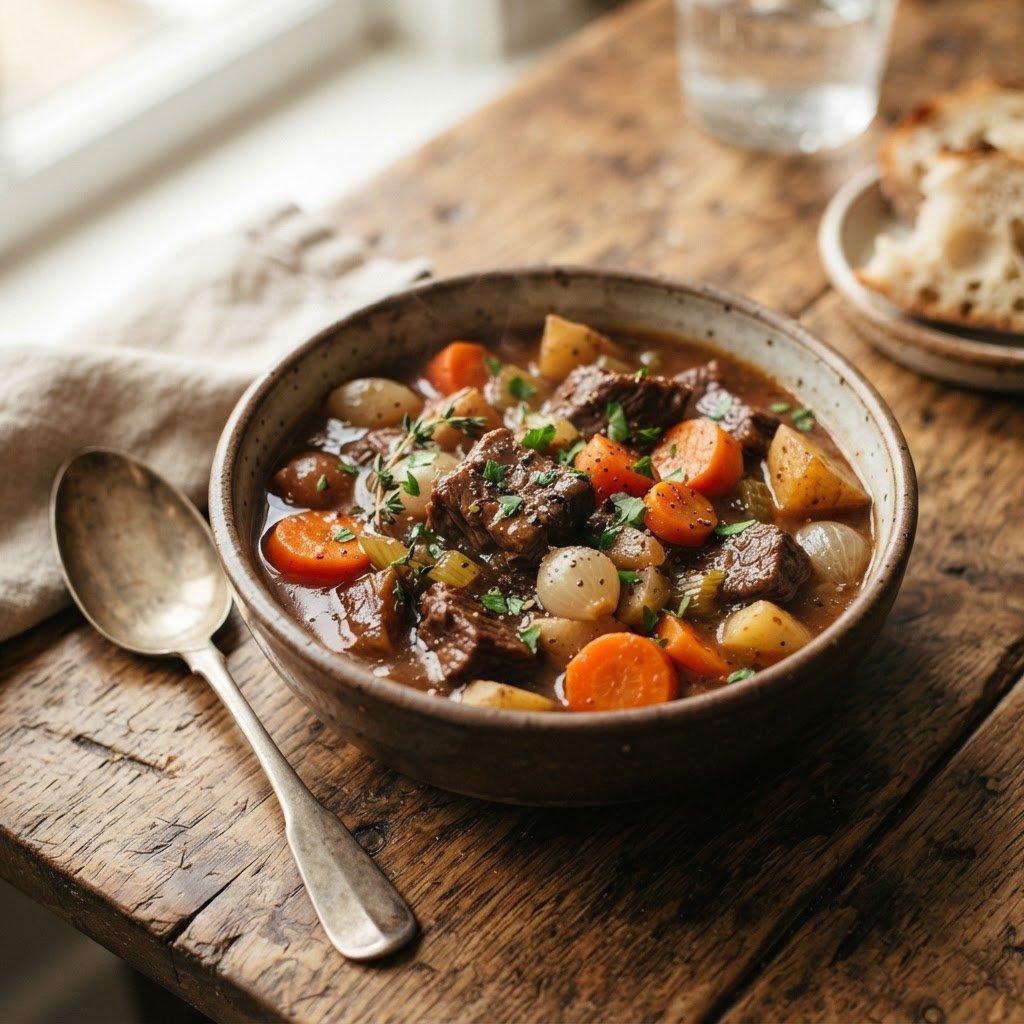
Easy Slow Cooker Beef Stew for Two: A Simple Guide
To make the perfect slow cooker beef stew for two, combine one pound of cubed chuck roast with root vegetables and savory broth, then cook on low for 6 to 7 hours. This method ensures tender, melt-in-your-mouth beef and a naturally thickened gravy without the need for constant supervision or excessive leftovers.
Why Choose a Slow Cooker for Your Beef Stew
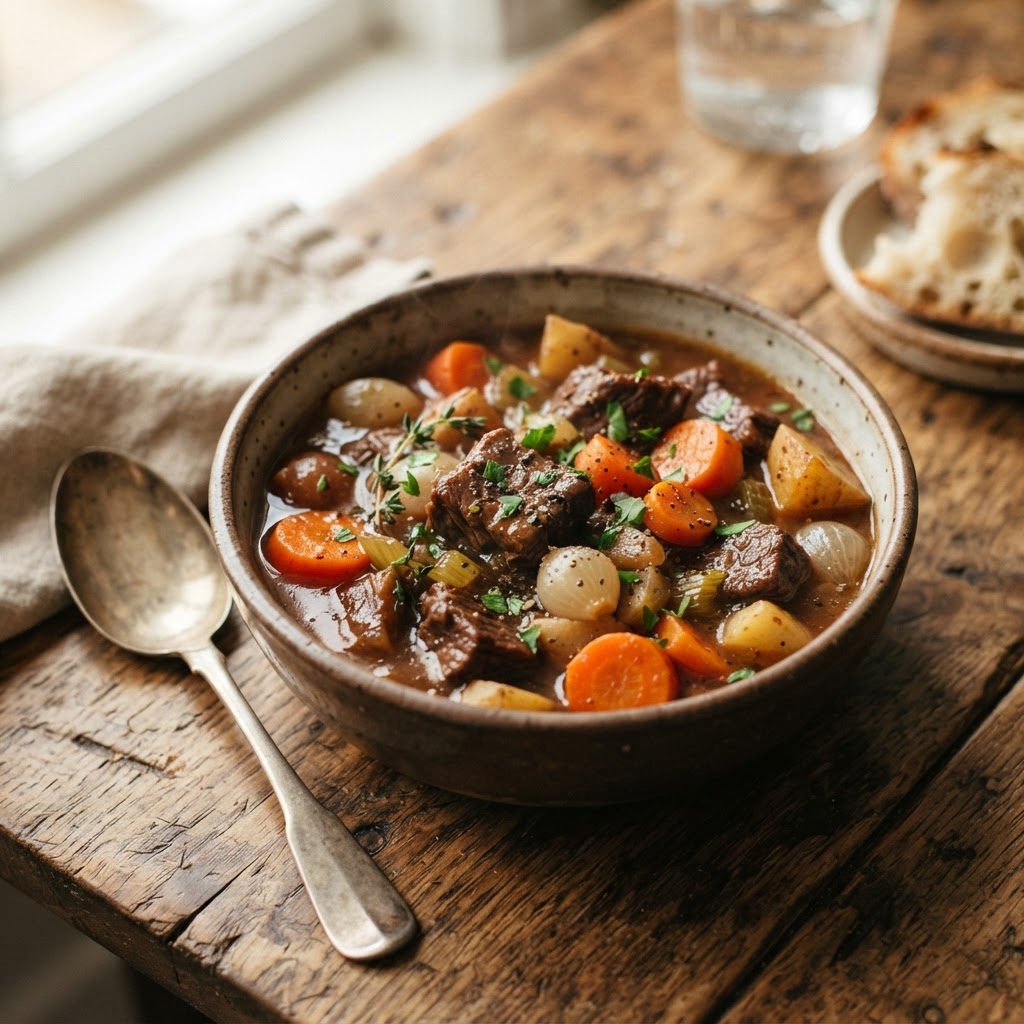
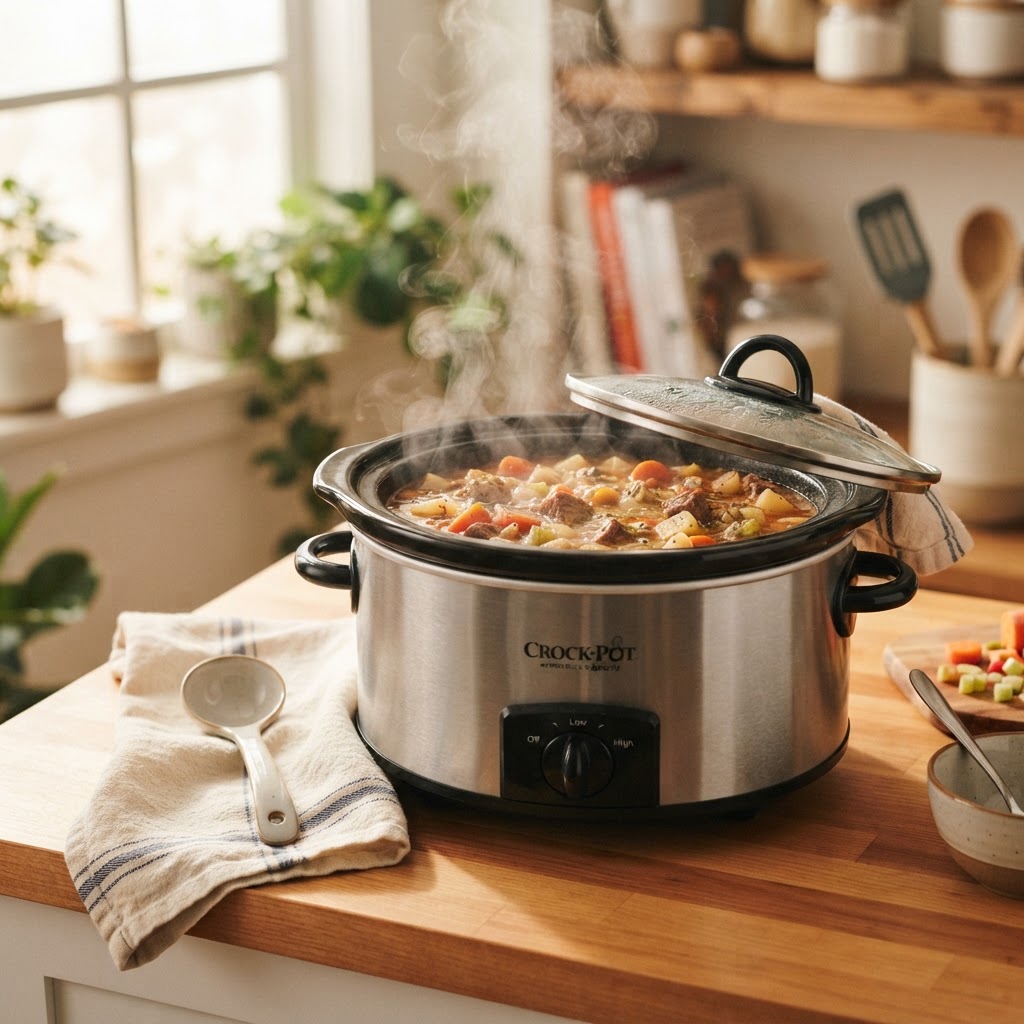
Choosing to prepare your meal in a slow cooker allows for the gentle breakdown of connective tissues in the meat, ensuring every bite is tender and flavorful. Whether you are looking for Crockpot Beefstew, easy stew beef recipes crockpot, or even slow cook beef stew crockpot recipes, the slow cooking method remains the gold standard. It creates a depth of flavor that is difficult to replicate on a stovetop without hours of constant attention. Many home cooks prefer this method because it simplifies dinner time, allowing you to prep in the morning and return to a finished meal in the evening. Unlike high-heat methods that can toughen muscle fibers, the steady heat of 190°F to 200°F in a slow cooker facilitates collagen gelatinization, which is the scientific secret to succulent beef. By choosing this approach, you are effectively using passive cooking time to achieve culinary results that would otherwise take double the effort.
The Benefits of Slow Cooking
Slow cooking is ideal for tough cuts of meat like chuck, which benefit from long, low heat. This technique is often seen in various crockpot beef stew recipes slow cooker styles, including regional variations like Irish food crockpot or Guinness Irish stew recipe crockpot dishes. By maintaining a steady temperature, the vegetables retain their structure while the sauce thickens naturally. Whether you follow a Beef stew- crockpot approach or a more complex beef stew crock pot recipes slow cooker crockpot method, the results are consistently satisfying. Cooking at a low, consistent temperature also allows the flavors of aromatics like garlic and thyme to penetrate deep into the fibers of the meat, creating a more cohesive flavor profile compared to quick-boil alternatives.
Step-by-Step Recipe Instructions
Ingredients You’ll Need
- 1 lb beef chuck roast, cut into 1-inch cubes
- 2 tbsp all-purpose flour
- 1 tsp kosher salt
- 0.5 tsp black pepper
- 1 cup baby carrots
- 2 medium Yukon Gold potatoes, cut into 1-inch chunks
- 0.5 cup chopped yellow onion
- 1.5 cups low-sodium beef broth
- 1 tbsp tomato paste
- 1 tsp dried thyme
- 1 clove garlic, minced
Follow this clear, step-by-step guide to prepare this dish perfectly every time.
Selecting the Right Ingredients
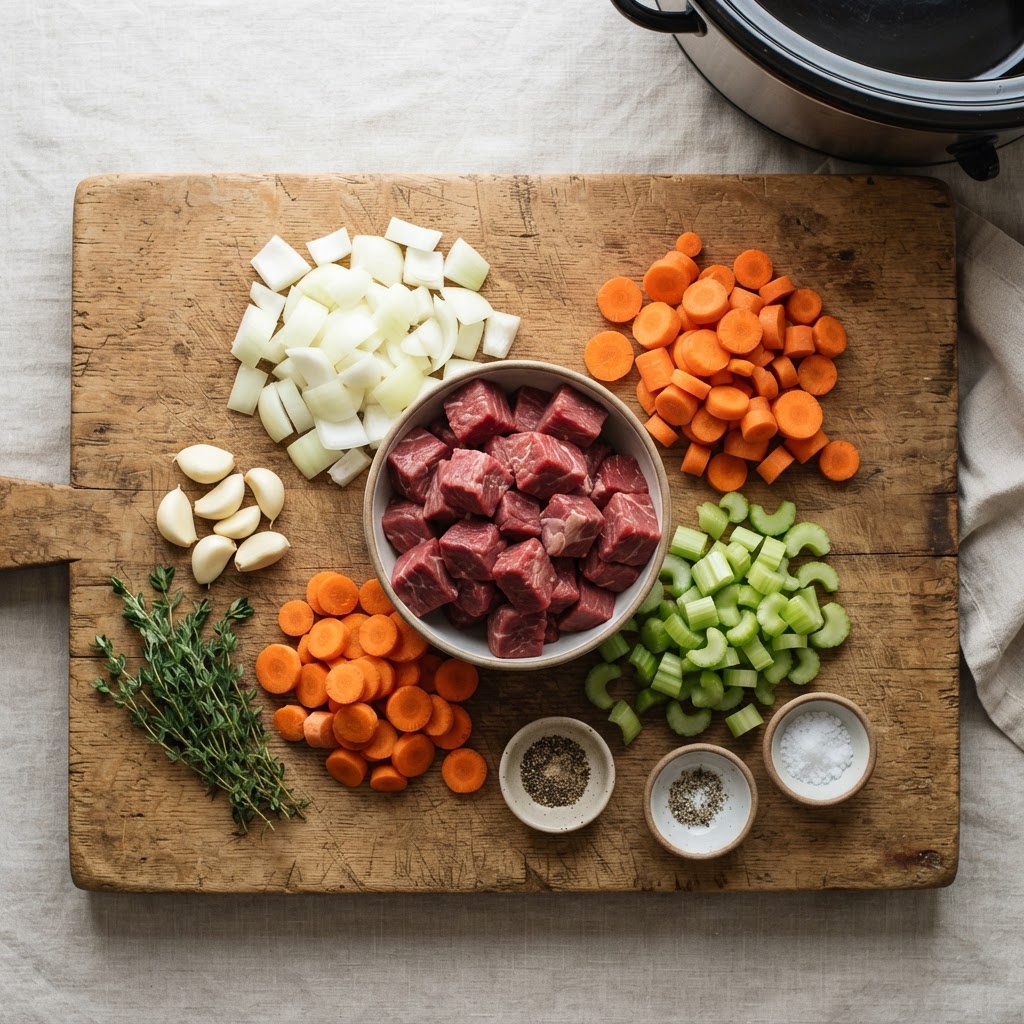
To craft the best beef stew recipe, you must select high-quality components, including well-marbled beef stew cubes and fresh, seasonal vegetables. Many beginners ask for beef stew ingredients that pack a punch, such as aromatic onions, garlic, and fresh herbs. Whether you prefer homemade beef stew with peas, or a version featuring carrots and potatoes, the quality of your base liquid matters immensely. You can choose from beef broth, red wine, or even a splash of beer if you are making a beer stew crockpot dish. Opting for chuck roast is critical; it contains a higher fat content and connective tissue ratio (typically 15-20% fat), which melts during the long cook time to create a rich mouthfeel. Avoid lean cuts like round or sirloin, which will dry out and turn stringy in a slow cooker. Additionally, using Yukon Gold potatoes is advised over Russets because their waxy texture holds shape better during long cycles, preventing the stew from becoming overly cloudy or “mushy.”
Ingredient Comparison Table
Perfecting Your Stew for Two
Scaling down a recipe like beef stew crock pot recipes slow cooker crockpot easy to serve just two people requires precise measurements. You don’t need a massive pot; rather, a small-capacity slow cooker is perfect for 1lb stew meat recipes. This prevents the ingredients from becoming too spread out, ensuring a concentrated, flavorful sauce. It is a fantastic way to enjoy hearty gluten free meals or low calorie beef stew slow cooker dishes without managing massive batches that go to waste. When scaling for two, aim for a 2-quart or 3-quart slow cooker. A larger 6-quart cooker often leaves too much headspace, which can cause excessive evaporation or lead to uneven cooking if the liquid level doesn’t submerge the ingredients adequately. By adhering to a 1lb meat-to-liquid ratio of roughly 1.5 cups, you maintain the ideal balance for a rich, sauce-heavy stew that perfectly fills two bowls.
Customizing Your Recipe
If you prefer to avoid certain ingredients, you can easily adapt your slow-cooked beef stew with vegetables. For example, some cooks prefer crockpot beef stew without wine, while others might look for crockpot beef stew without tomato paste to achieve a clearer broth. You can even experiment with butternut squash stew crockpot variations, like beef stew with butternut squash, which adds a unique autumnal sweetness to the traditional savory profile. This level of flexibility makes the slow cooker the most versatile tool in your kitchen. If you are looking to lower the sodium content, substitute standard beef broth for water infused with fresh herbs, or use low-sodium vegetable stock. To enhance depth without wine, consider adding a tablespoon of balsamic vinegar or soy sauce at the end of the cooking cycle; these ingredients add the necessary acidity and umami to mimic a deglazed wine reduction.
Essential Techniques for Thickening
Achieving a thick slow cooker beef stew is often the biggest challenge for home chefs, but a few simple tricks can fix it. You can coat your meat in flour before searing, or stir in a slurry of cornstarch and water during the last hour of slow cooker stew time. Many versions, like the crockpot thick beef stew, rely on the starch from potatoes to naturally thicken the gravy. Alternatively, some recipes use crockpot beef stew with tapioca to achieve that signature glossy, thick consistency without much effort. The science behind this lies in starch gelatinization: when flour or cornstarch is heated in liquid, the molecules expand and trap water, creating a viscous, appealing gravy. If your stew is too thin after 7 hours, avoid removing the lid to let moisture evaporate; instead, remove a small amount of liquid, whisk in a teaspoon of cornstarch, and stir it back into the pot on high for 15 minutes.
Adding Dumplings and Grains
For those who love extra texture, adding a side of starch can turn a simple dish into a feast. Many people enjoy crockpot stew with dumplings or even a crockpot beef stew with dumplings for a truly filling meal. If you prefer grains, you might try a beef barley stew in crockpot or a slow cooker beef barley stew, which adds a nutty, chewy element that pairs perfectly with the tender beef. Beef barley soup in crockpot slow cooker versions are also popular for those wanting a lighter, soupier consistency. When adding grains like barley, ensure you increase the liquid content by 0.5 cups for every 0.25 cups of dry grain added, as grains absorb a significant amount of broth during the long cooking process. This prevents the stew from drying out and ensures the grains reach a tender, porridge-like consistency that complements the beef.
FAQ
How long should I cook beef stew in a slow cooker?
Cook your beef stew on the low setting for 6 to 8 hours to ensure the collagen in the beef chuck fully breaks down. This duration produces the most consistent, fork-tender results compared to high-heat settings, which can cause the meat to dry out before it becomes tender.
Can I make beef stew in a slow cooker without potatoes?
Yes, you can substitute potatoes with low-carb alternatives such as turnips, radishes, or parsnips. These vegetables provide a similar structural integrity and earthy flavor profile while keeping the dish keto-friendly or low-starch without sacrificing the heartiness of the stew.
Is it necessary to brown the meat first?
Browning the meat is optional but highly recommended to enhance flavor via the Maillard reaction. Searing the beef cubes for 3-4 minutes in a hot skillet creates a deep, savory crust that provides a much richer base and darker color to your finished stew gravy.
How do I store leftover beef stew?
Store leftover beef stew in an airtight container in the refrigerator for up to four days or freeze it for up to three months. To reheat, add a tablespoon of water or beef broth to the container to restore the sauce’s original consistency and prevent burning.
What is the best way to thicken stew if it is too runny?
Create a slurry by whisking one tablespoon of cornstarch with two tablespoons of cold water, then stir this mixture into the stew during the final 20 minutes of cooking. The heat will activate the starch, thickening the sauce into a rich, glossy gravy without changing the flavor.