25 Best Slow Cooker Soup Recipes for Hungry Families
Slow cooker soup recipes are the ideal solution for busy families because they allow for hands-free cooking that deepens flavor profiles while requiring only 10–15 minutes of active preparation time. By using a slow cooker, you can transform pantry staples and affordable cuts of meat into 25 nutritious, restaurant-quality meals without needing to monitor a stovetop.
The Magic of Slow Cooker Soup
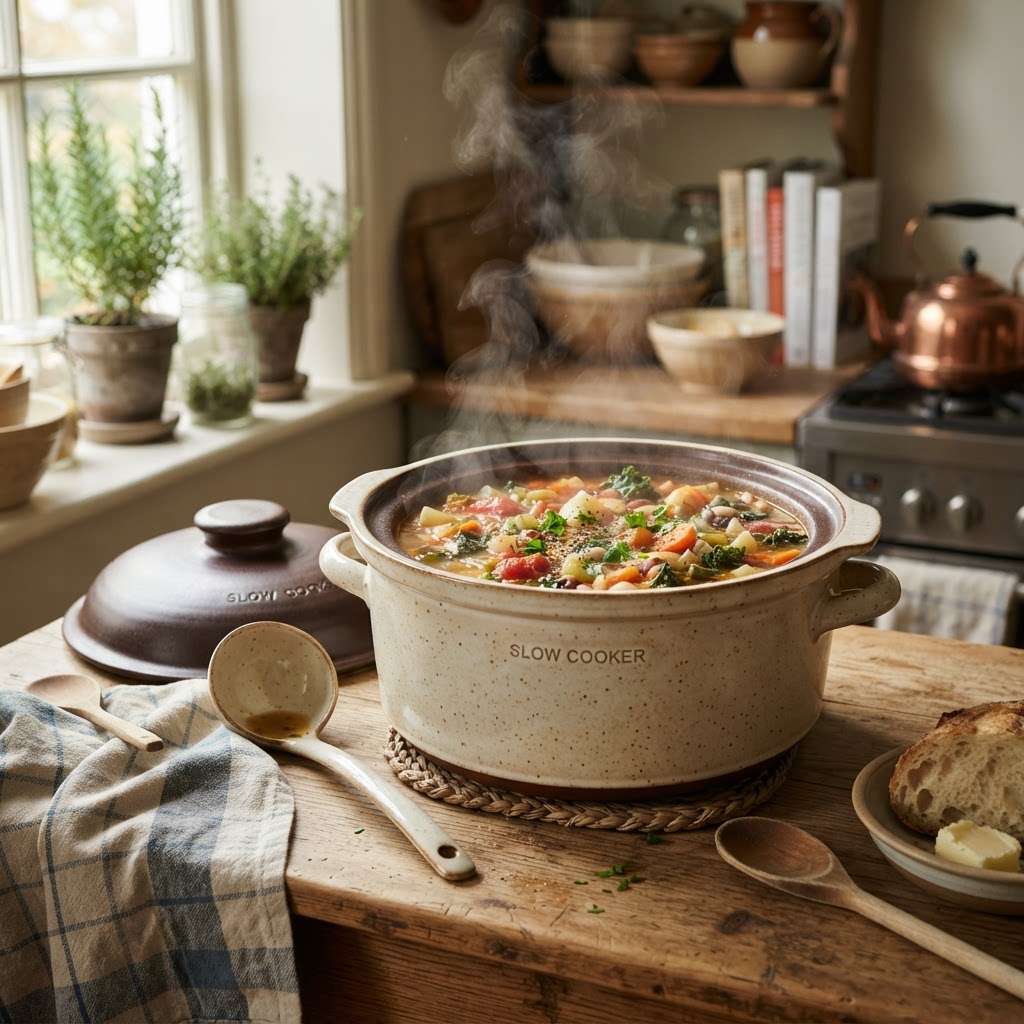
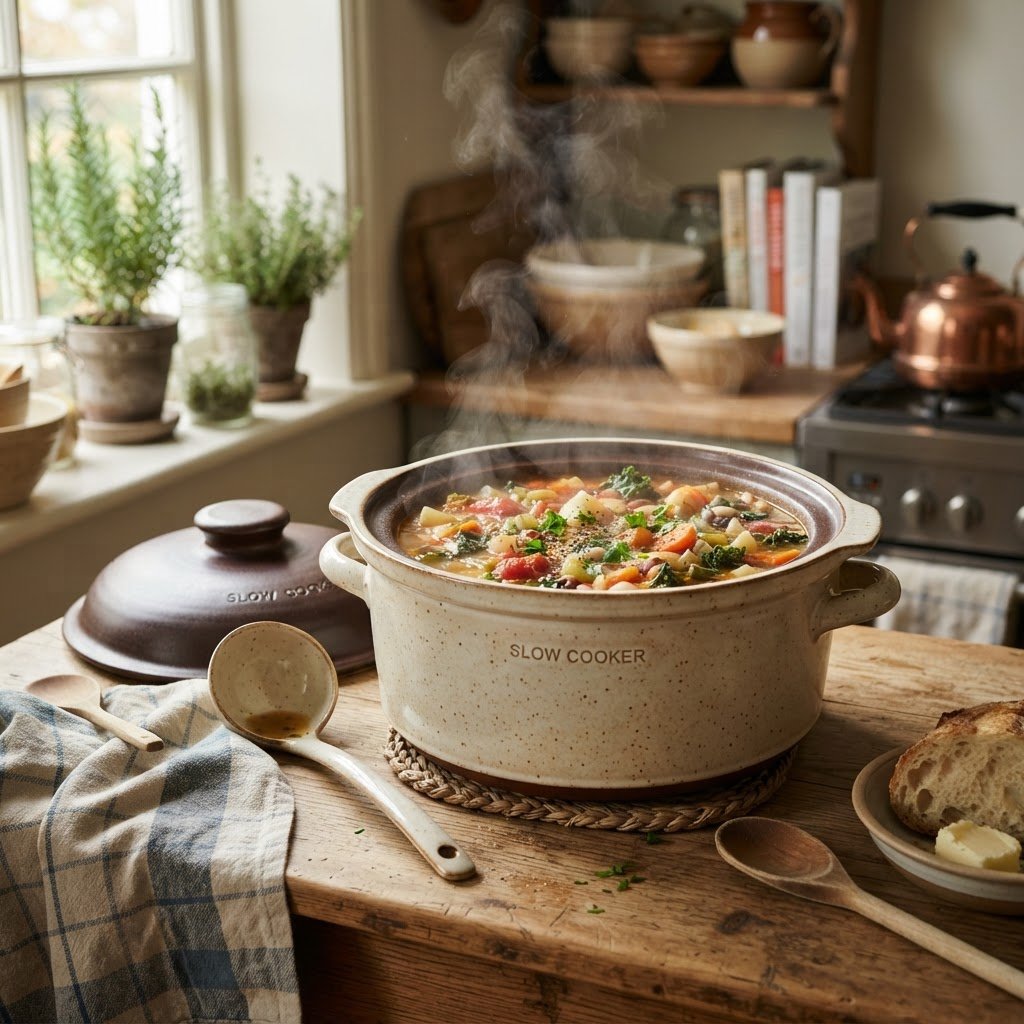
Slow cooker soups offer unmatched convenience by allowing you to prepare healthy, comforting meals that cook unattended for 6 to 9 hours. This method is specifically effective for “dump-and-go” recipes, where minimal chopping and seasoning result in a complex, melded flavor profile that tastes like it simmered all day. These crock pot recipes are particularly valuable for busy parents who need to serve high-protein, veggie-packed meals during hectic weeknights without the stress of constant stirring or temperature regulation.
By prioritizing slow cooking, you effectively tenderize collagen-rich meats like chuck roast or chicken thighs, which soften into a melt-in-your-mouth texture. This technique ensures that even low-cost ingredients become satisfying, gourmet-level comfort food. Utilizing a slow cooker also helps retain the nutritional integrity of vegetables, as the lower temperatures prevent the rapid nutrient degradation that can occur during high-heat boiling or pressure cooking. Whether you are prepping for a cold day or planning your weekly meal rotation, these slow cooker methods provide a reliable framework for nutritious eating.
Step-by-Step Recipe Instructions
Ingredients You’ll Need
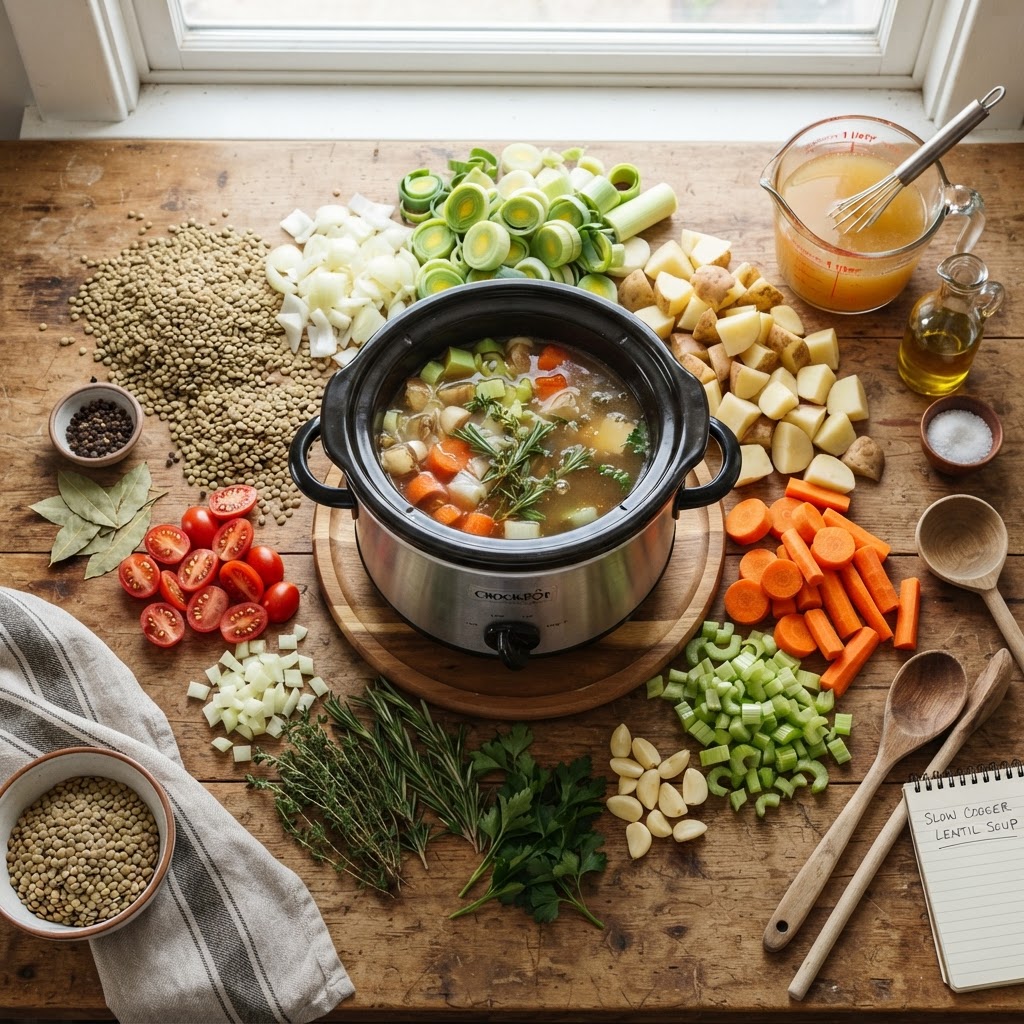
- 1.5 lbs chicken breast, cut into 1-inch cubes
- 2 cups diced carrots
- 1 cup diced celery
- 1 cup chopped yellow onion
- 3 cloves minced garlic
- 4 cups chicken broth
- 1 can (15 oz) chickpeas, drained and rinsed
- 1 tsp dried thyme
- 1/2 tsp salt
- 1/4 tsp black pepper
- 2 tbsp olive oil
- 2 tbsp chopped fresh parsley
Follow this clear, step-by-step guide to prepare this dish perfectly every time.
Why Slow Cooking Wins
Slow cooking wins as a preparation method because the extended exposure to low, ambient heat breaks down connective tissues in proteins and softens fibrous vegetables, creating textures that rapid-boiling stovetop methods cannot replicate. This process is inherently forgiving; once you toss your ingredients into the basin, the machine handles the temperature consistency, virtually eliminating the risk of burning or over-reducing your broth. Many households favor this method because it acts as a “crockpot dump soup” system, drastically reducing the mental load of meal planning and kitchen management.
By using this process, home cooks can achieve professional, deep-bodied flavors with pantry-stable ingredients like legumes, dried spices, and root vegetables. The low-and-slow approach allows flavors to permeate throughout the broth, ensuring that every bite is as seasoned as the last. Furthermore, slow cookers are highly energy-efficient compared to electric or gas ranges, often using less electricity than a standard lightbulb when run on a low setting over an 8-hour cycle. This reliability makes the slow cooker a cornerstone for any family aiming to maintain a consistent schedule of healthy, homemade meals without the need for constant, active culinary supervision.
Comfort in a Bowl: Hearty Classics
Hearty, classic slow cooker soups centered on beef, ham, or legumes provide a robust nutritional base that is ideal for large family meal prepping. By utilizing slow-cooking, you can make cost-effective, tough proteins like beef brisket or ham hocks tender enough to shred with a fork, stretching your food budget while maximizing satiety. These recipes are staples for families needing high-volume, freezer-friendly meals that remain consistently delicious even after reheating.
Popular Beef and Ham Varieties
- Ham and Bean Soup: Use dried beans for a traditional texture.
- Crockpot Beef Vegetable Soup: Add carrots, potatoes, and celery for maximum nutrition.
- Crockpot Veg Beef Soup: Perfect for sneaking extra greens into your family’s diet.
When you select ingredients for these recipes, focus on root vegetables like potatoes, parsnips, and turnips, which hold their structure through long cooking times. A standard 6-quart slow cooker can easily produce 8 to 10 generous servings of beef and vegetable soup, which is enough to feed a large family for two consecutive nights or provide ample portions for freezing. By sticking to these comfort soup classics, you turn basic grocery items into a nourishing meal that is both affordable and deeply comforting for those cold, busy days.
Creamy and Dreamy: Potato and Leek Perfection
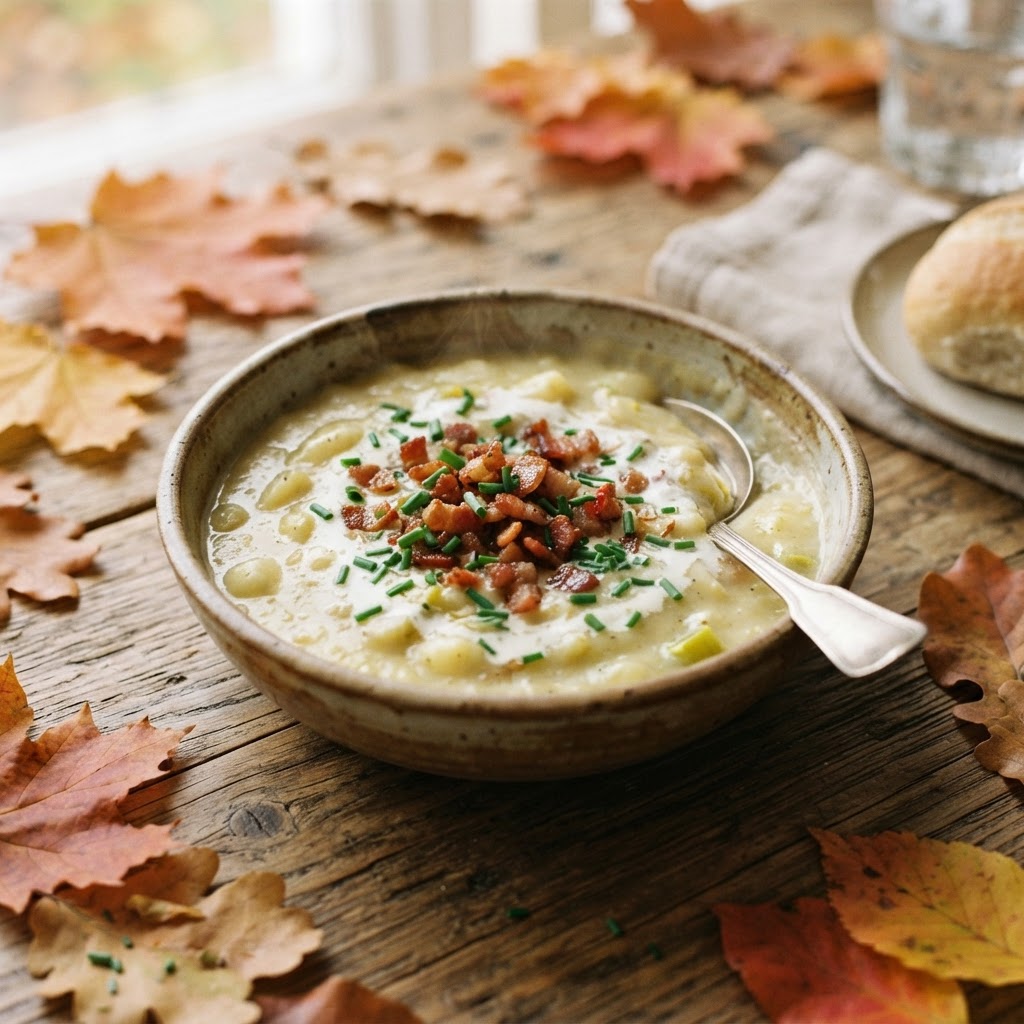
Achieving a restaurant-quality, creamy potato soup in a slow cooker relies on selecting high-starch potatoes like Yukon Gold or Russet and managing the moisture levels to prevent the soup from becoming too thin. When potatoes cook slowly in a broth-based environment, their natural starches begin to release, thickening the liquid into a velvety consistency that is naturally luxurious without requiring excessive heavy cream or butter. This makes the dish feel like an indulgent, chef-prepared soup that is actually quite simple to execute at home.
Mastering the Texture
To ensure a perfect mouthfeel, combine your potatoes with aromatic bases like leeks or yellow onions which soften completely during the 6-8 hour cook time. For those seeking even more body, you can mash a portion of the cooked potatoes directly against the wall of the slow cooker basin right before serving to create a rustic, creamy texture. If you choose to add dairy, such as milk, cream, or cheddar cheese, always incorporate these ingredients during the final 30 minutes of cooking to prevent curdling or separation. Following this timing allows for maximum flavor integration while maintaining the desired thickness that makes potato soup a perennial favorite for comfort-seeking families.
Global Flavors in Your Crockpot
Introducing international, slow-cooked soup recipes like Tom Kha Gai or Mediterranean lentil blends can significantly expand your family’s flavor profile while maintaining the ease of the slow cooker method. These recipes utilize the appliance’s ability to infuse delicate aromatics—such as fresh ginger, lemongrass, or dried turmeric—into liquids over an extended period. This results in vibrant, high-impact meals that break the monotony of standard “American-style” beef and potato soups.
The Allure of Exotic Soups
Exotic soup recipes are uniquely suited for slow cooking because spices and herbs need the extra time to release their volatile oils, creating a deeper, more layered taste. For instance, incorporating coconut milk into a Thai-inspired soup requires the gentle, low heat of a slow cooker to ensure the emulsion stays stable and smooth. Similarly, Mediterranean-style lentil soups benefit from the slow absorption of broth, which plumps the lentils to perfection without turning them into a mushy paste. By incorporating these globally-inspired recipes into your rotation, you can ensure that “healthy” never means “bland” in your household menu. These recipes often require fewer overall ingredients than traditional stews, making them a budget-friendly way to bring worldly flavors into your kitchen.
Chicken Stews and Pot Pie Soups
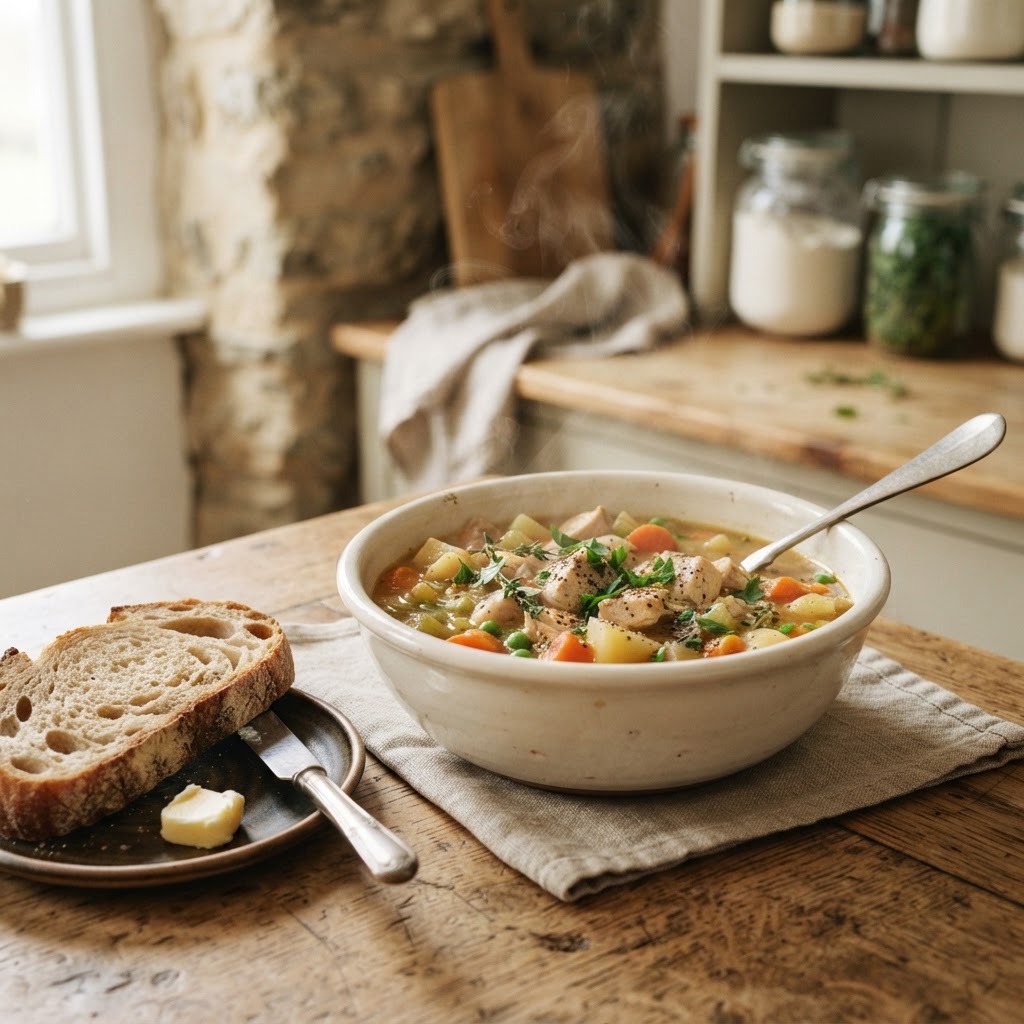
Chicken-based stews and pot pie soups serve as the ultimate comfort food by combining tender, slow-cooked poultry with hearty vegetables and a thick, savory gravy base. These recipes are highly popular because they mimic the taste of a traditional, labor-intensive pot pie but remove the need to bake individual crusts or manage pastry dough. By adding a simple slurry—typically a mixture of cornstarch and cold water—in the final 30 minutes, you can easily control the thickness of the broth to achieve that classic, creamy pot pie consistency. For another easy weeknight dinner option that features rich flavors, you should also try our recipe for creamy garlic slow cooker pork chops for a succulent meal your family will love. If you are looking for even more hands-off protein options, our flavorful 3-ingredient slow cooker pork chops are another excellent choice for busy weeknights.
Tips for the Perfect Stew
- Brown your chicken before adding it to the slow cooker to deepen the flavor profile.
- Keep the stew thick by adding a little cornstarch slurry in the last thirty minutes.
- Always garnish with fresh herbs for a pop of color and freshness.
When preparing these stews, choose bone-in chicken thighs if you have the time, as they offer more depth and moisture than white meat. If you prefer breast meat, sear it in a pan first to seal in juices, then only cook for the minimum recommended time to keep it from drying out. Serving these stews with a side of crusty bread or over a small amount of egg noodles provides a complete, satisfying meal that is perfect for recovery after a long day or for warming up on a rainy afternoon.
The Healthy Side of Slow Cooking

Utilizing slow cooker recipes for vegetable and lentil-based soups is an excellent way to boost your family’s daily fiber and micronutrient intake through minimally processed, whole-food meals. Because slow cookers operate at low temperatures, they are efficient at extracting nutrients from tough-skinned vegetables and legumes, ensuring that your meals are packed with vitamins, minerals, and antioxidants. These recipes are particularly effective for meal prep because they store extremely well in the refrigerator or freezer, maintaining their texture for up to three days or three months, respectively.
Lentil and Vegetable Benefits
Lentils are a standout ingredient for slow cooker soups because they do not require soaking and hold their shape exceptionally well during long cooking cycles. Integrating lentils into your weekly rotation provides a low-cost, shelf-stable, plant-based protein source that is significantly cheaper than meat-based alternatives. A simple vegetable soup can be made for under $10 in total ingredient costs, yielding enough for a family of four to enjoy multiple times. By focusing on seasonal, colorful produce—such as kale, carrots, and sweet potatoes—you ensure that your healthy soups remain varied and interesting throughout the changing seasons, providing a reliable strategy for consistent nutrition.
FAQ
Q: Can I make slow cooker soup while at work?
Yes, slow cooker soup is ideal for busy workdays because the appliance is designed to safely operate unattended for 6 to 9 hours on a low setting. Simply prep your ingredients in the morning, set the timer, and return to a fully finished, hot meal.
Q: How do I prevent my vegetables from getting mushy?
To avoid mushy vegetables, layer hard root vegetables like carrots and potatoes at the bottom of the cooker, and add softer items like zucchini, kale, or canned beans during the final 30 to 60 minutes of cooking. This layering technique protects the delicate ingredients from the direct heat source.
Q: Is a slow cooker soup better than stovetop?
Slow cooker soup is superior for flavor development because the consistent, low-temperature environment effectively breaks down tough connective tissues in meat and fibers in vegetables over several hours. This extended infusion time creates a depth of flavor that is difficult to replicate with a quick 30-minute boil.
Q: Can I freeze slow cooker soup?
Most slow cooker soups freeze exceptionally well in airtight containers for up to three months. To maintain the best texture, cool the soup completely before freezing, leave an inch of space at the top of the container for expansion, and thaw in the refrigerator overnight before reheating.
Q: How do I thicken a thin slow cooker soup?
To thicken a thin soup, mix one tablespoon of cornstarch with two tablespoons of cold water to create a slurry and stir it into the pot during the last 30 minutes of cooking. Alternatively, you can mash a few of the cooked potatoes or beans directly into the broth for a natural, rustic thickening effect.