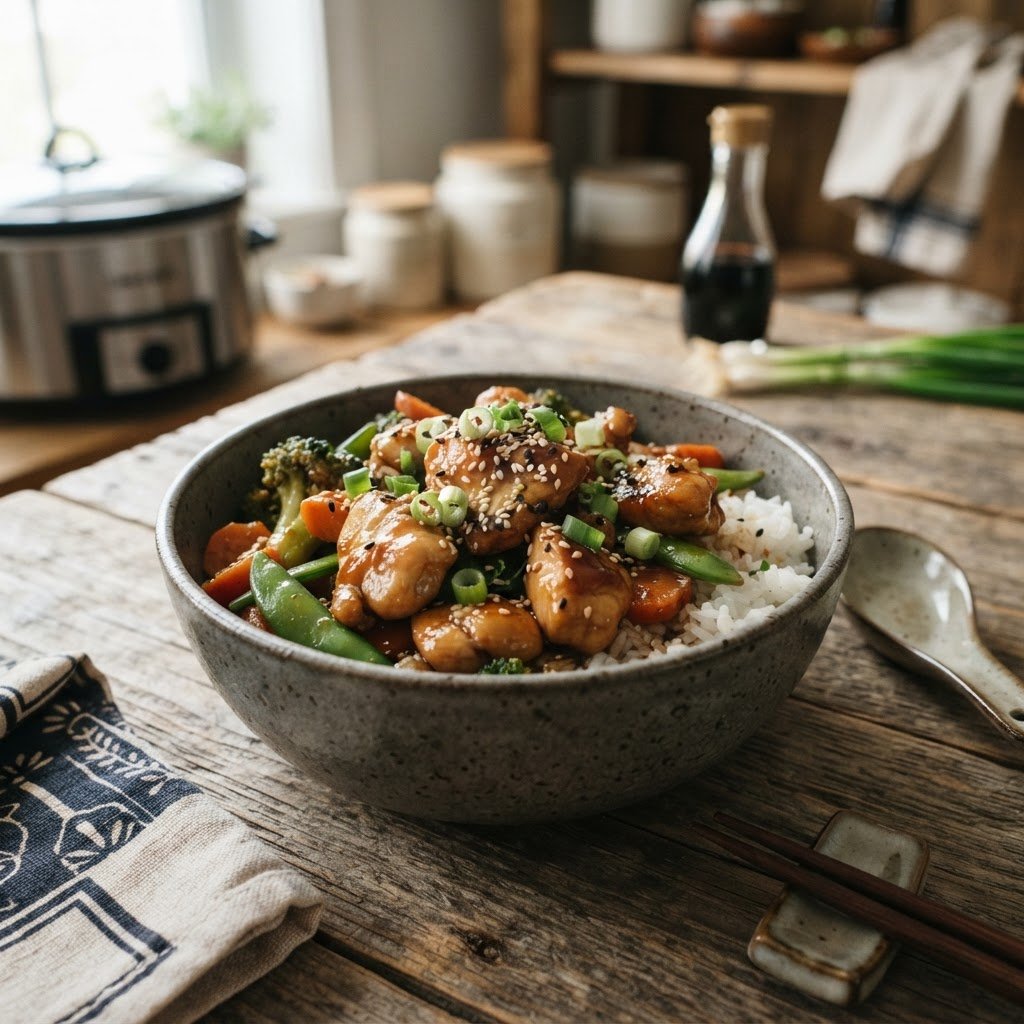
Best Slow Cooker Chicken Teriyaki Recipe
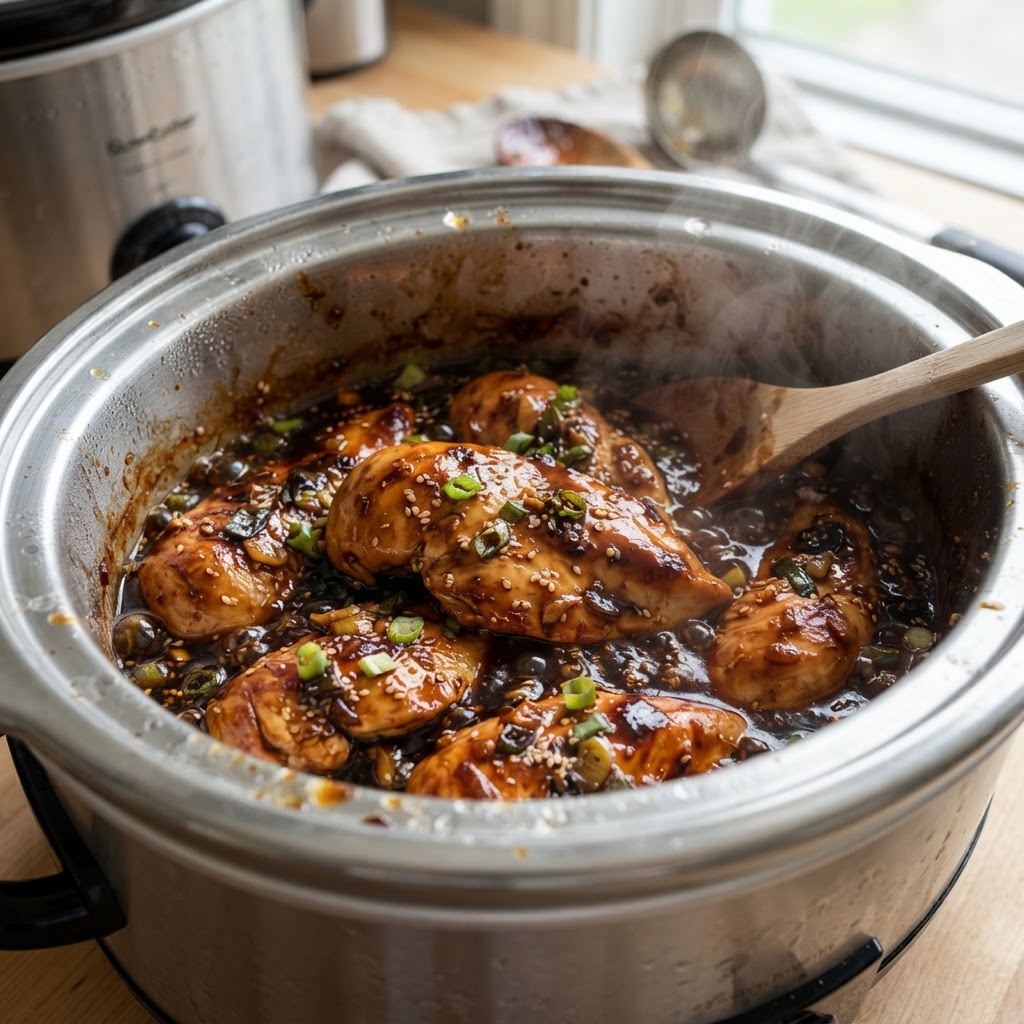
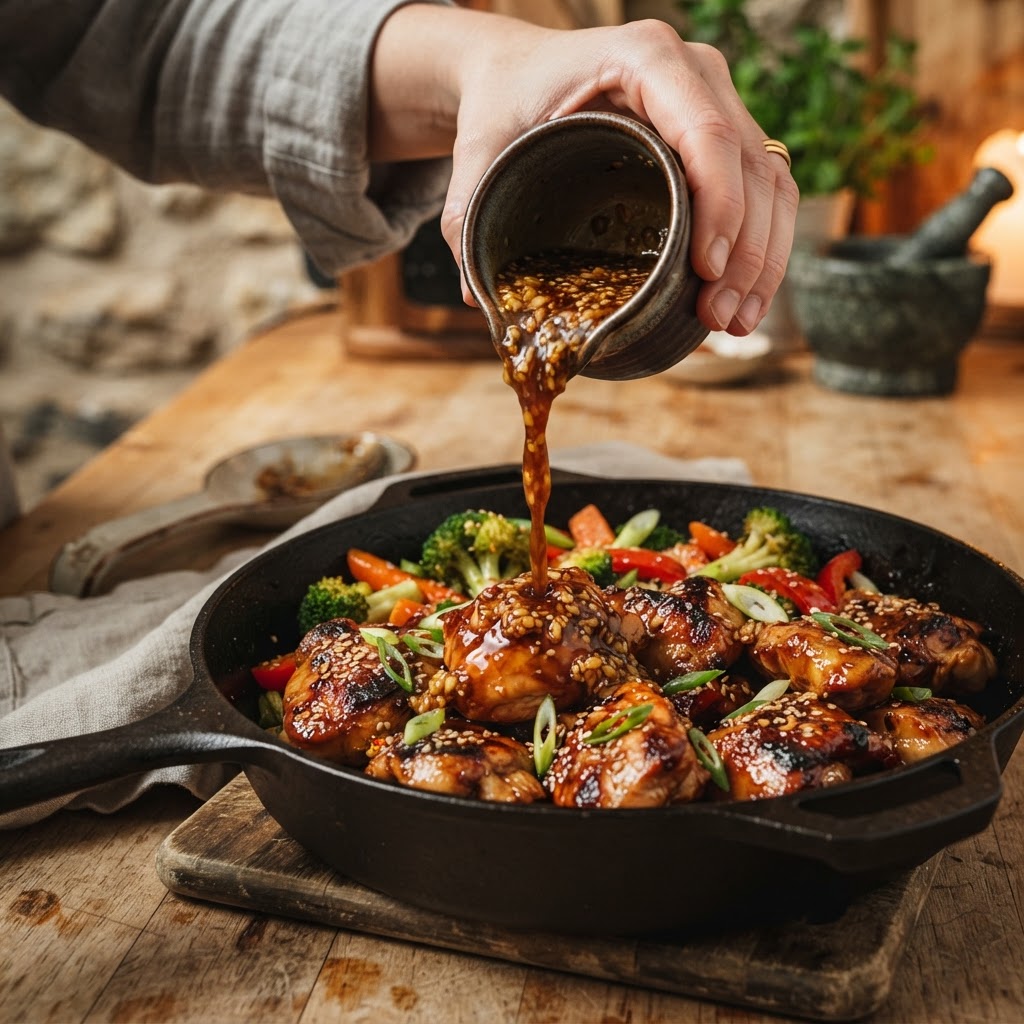
To make the perfect slow cooker chicken teriyaki, combine 2 lbs of boneless skinless chicken breasts with a mixture of 1/2 cup soy sauce, 1/4 cup brown sugar, 2 tablespoons rice vinegar, sesame oil, garlic, and ginger. Cook on low for 4 hours, then thicken the sauce with a cornstarch slurry to create a professional, restaurant-quality glaze that clings to the succulent poultry.
Mastering the Art of Slow Cooker Chicken
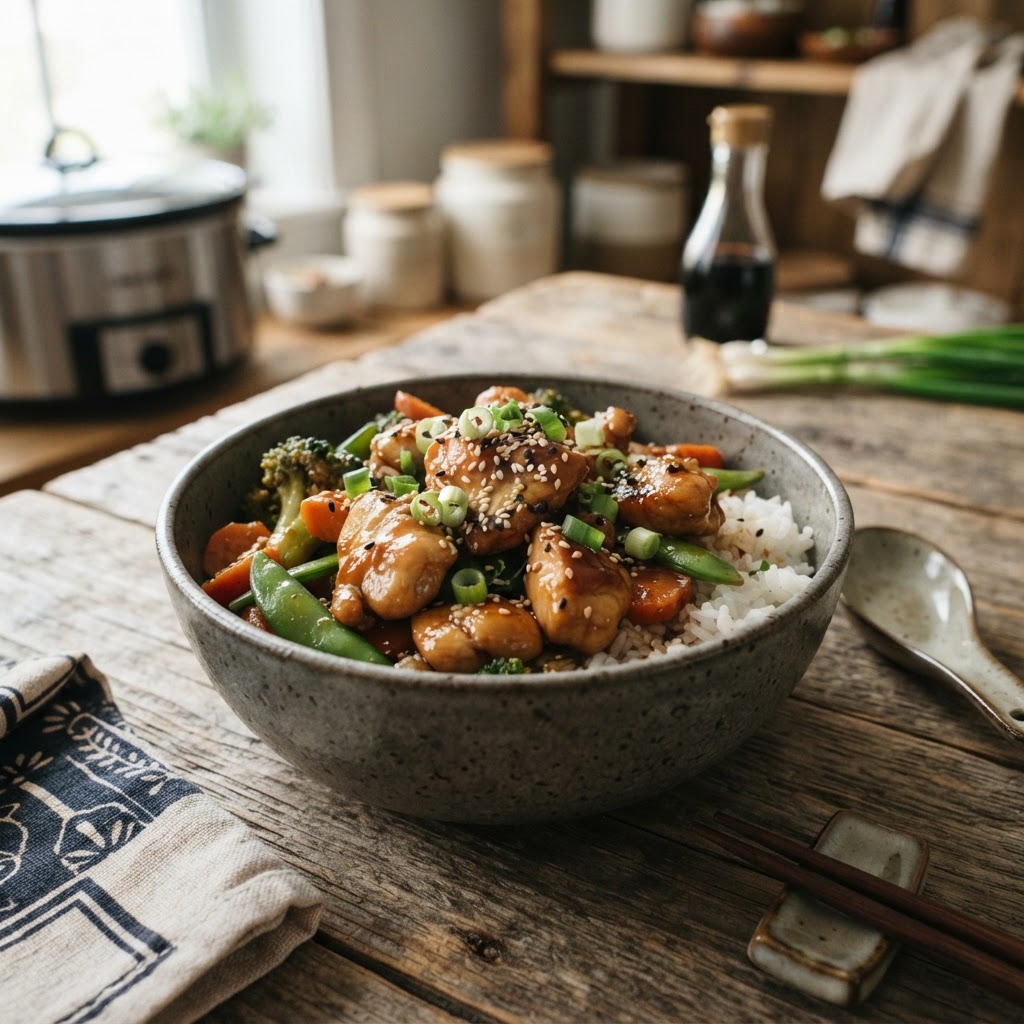
Cooking chicken breast in the crockpot requires precise timing and heat management to ensure the meat stays tender rather than becoming a dry, stringy mess. The most effective slow cooker chicken recipes utilize a low, steady temperature of approximately 200°F (93°C) to gently braise the protein, which locks in internal moisture and prevents the rapid protein coagulation that leads to toughness. Achieving a succulent result depends on respecting the 4-hour cooking window for breast meat; exceeding this duration will inevitably lead to fibrous textures. For those managing busy schedules, the key is to avoid the “high” setting whenever possible, as a lower heat environment provides a 2-hour buffer that keeps the chicken succulent even if you are delayed by up to 60 minutes. If you are looking for even more convenient meal ideas to add to your repertoire, check out our collection of 15 best dump-and-go crockpot chicken breast recipes that make dinner prep virtually effortless. By focusing on this braising process, you ensure that the poultry remains flavorful and juicy, making it a reliable staple for both small households and larger family meal preparations.
Step-by-Step Recipe Instructions
Ingredients You’ll Need
- 2 lbs boneless skinless chicken breasts
- 1/2 cup soy sauce
- 1/4 cup brown sugar
- 2 tablespoons rice vinegar
- 1 tablespoon sesame oil
- 2 cloves garlic, minced
- 1 teaspoon fresh ginger, grated
- 1 tablespoon cornstarch
- 2 tablespoons water
- 1 tablespoon toasted sesame seeds
- 2 green onions, sliced
Choosing the Right Ingredients for Teriyaki
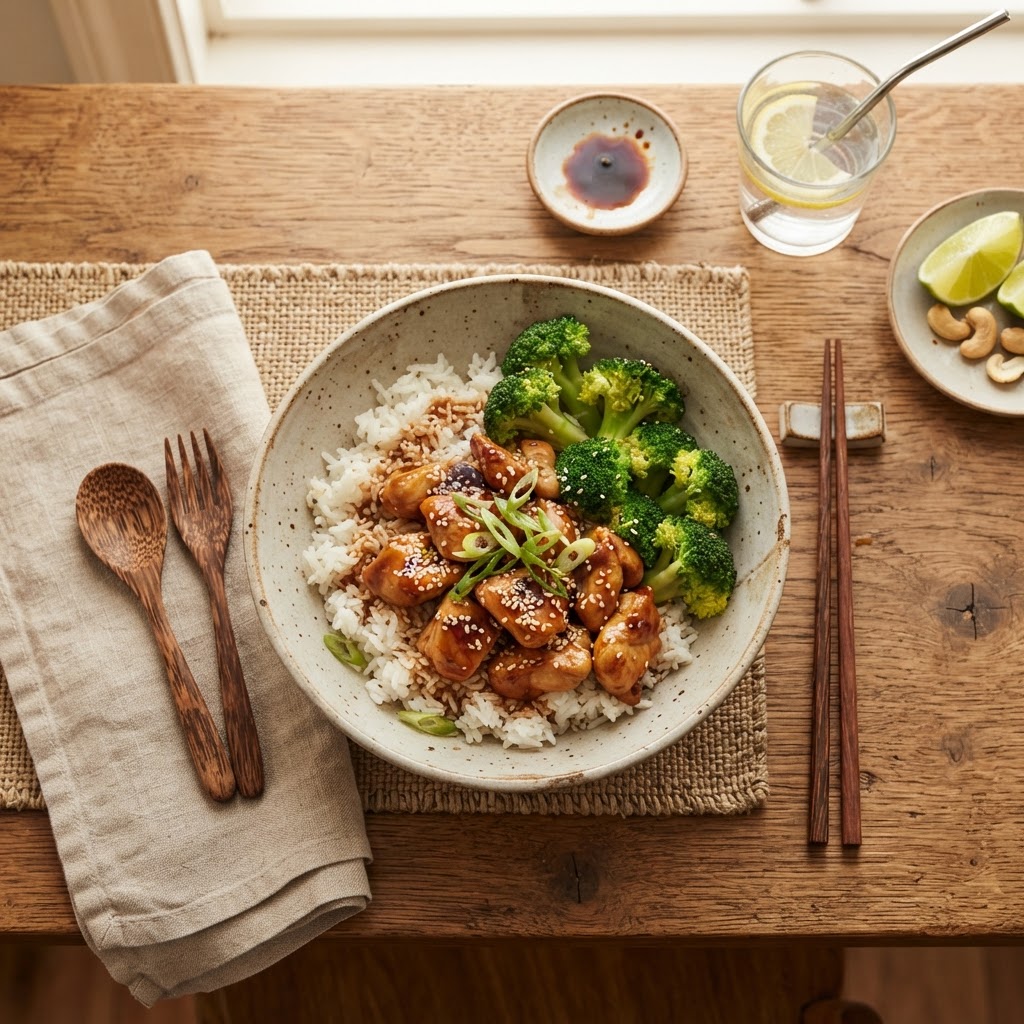
Selecting high-quality base ingredients is the definitive factor in transforming a standard crockpot meal into a premium culinary experience. Authentic teriyaki relies on the interaction between the salinity of aged soy sauce and the natural sugars present in brown sugar or honey, which caramelize during the final thickening stage. When selecting ingredients, prioritize fresh ginger root over powdered alternatives, as the volatile oils in fresh ginger provide a bright, citrusy counterpoint to the deep, umami-rich soy base. For those seeking health-conscious modifications, replacing refined sugars with coconut aminos or high-grade maple syrup can reduce the glycemic impact while maintaining a sticky, luxurious glaze consistency. To ensure the best outcome, verify that your sesame oil is toasted, as this provides a significantly higher aromatic threshold that defines the characteristic profile of Asian-inspired slow cooking. Always balance your sauce profile by tasting before the final thicken; if the sauce is too salty, a half-teaspoon of honey often neutralizes the excess sodium without overpowering the aromatics.
The Role of Aromatics in Asian Cooking
Asian cooking relies heavily on the balance of sweet, salty, and acidic profiles, which is easily achieved with crockpot Asian chicken. Using fresh garlic and ginger creates a aromatic depth that defines slow-cooked chicken with garlic recipe results. For another simple and delicious weeknight option, you can try our slow cooker honey garlic chicken if you want a slightly milder, sweeter flavor profile that kids often adore.
Comparison of Slow Cooker Chicken Styles
If you enjoy rich, savory sauces, you might also want to try our creamy garlic slow cooker pork chops for another comforting dinner option. For another simple and delicious weeknight dinner, try our 3-ingredient slow cooker pork chops if you want a main course that requires minimal prep work. For another hearty, comforting meal option to rotate into your weekly dinner plans, you should also try our classic slow cooker beef stew, which is perfect for cold evenings.
Achieving the Perfect Texture
To ensure your slow cooker chicken stays tender, try using chicken thighs in the crock pot, as the higher fat content prevents drying out. Many home cooks struggle with boneless skinless chicken thighs in crockpot dishes, but the key is to avoid overcooking by checking the internal temperature early. Whether you are making a creamy mushroom crockpot chicken or a simple garlic butter chicken slow cooker meal, the protein choice matters. For the best texture, always aim for an internal temperature of 165°F (74°C) measured with a digital thermometer. If using breast meat, aim to pull the chicken as soon as it reaches this safety threshold to maintain a succulent, non-fibrous bite. Thighs are more forgiving due to their connective tissue, which breaks down slowly and keeps the meat moist even if cooked for an extra 60 minutes.
Healthy Variations and One-Pot Meals
One pot slow cooker recipes are ideal for those who value efficiency in the kitchen, especially when preparing a healthy chicken dinner. You can toss in your favorite veggies, like broccoli or snap peas, during the last hour of cooking to keep them crisp and vibrant. If you are looking for another comforting meal to pair with your cooking routine, you might also enjoy our best slow cooker potato soup for those chilly evenings. This approach turns your meal into one of the best healthy chicken breast slow cooker recipes, complete with all your essential macros in a single bowl. To maximize nutritional value, consider serving the chicken over a base of cauliflower rice or quinoa rather than refined white rice. Adding bulk vegetables early in the cooking process can sometimes lead to mushy textures, so adding cruciferous vegetables during the final 45 to 60 minutes ensures they retain enough crunch to provide a satisfying mouthfeel. This technique effectively balances the soft, shredded chicken with contrasting textures, creating a complete meal that feels thoughtfully composed rather than just a collection of boiled ingredients.
Meal Prep for Families
Chicken meal prep is easier than ever with slow cooker meals that store well for the week. By preparing a large batch of chicken, you have main meals ready for Monday night dinner ideas or even healthy chicken breast crock pot recipes for lunch. The versatility of these dishes means you can easily transition from a traditional chicken stew slow cooker style to an exotic Thai chicken stew with just a few ingredient swaps.
FAQ
Can I use frozen chicken in the crockpot?
Yes, you can cook frozen chicken in the crockpot, but it is generally safer to thaw it first for even cooking. If you must use frozen, ensure the chicken reaches an internal temperature of 165°F to kill any bacteria. Thawing allows the sauce to penetrate the meat more effectively.
How do I make the sauce thicker?
To thicken your sauce, whisk in a tablespoon of cornstarch mixed with two tablespoons of cold water during the final 30 minutes of cooking. This slurry creates a glossy, professional-grade glaze and prevents the liquid from becoming watery when served over rice or vegetables.
Is it better to use chicken breast or thighs?
Chicken thighs are generally more forgiving in a slow cooker because they stay moist, while chicken breasts require precise timing to stay juicy. Choose thighs if you plan to cook the dish for more than 5 hours to ensure the protein does not dry out and become tough.
How long does chicken last in the fridge?
Cooked chicken stored in an airtight container will typically last for three to four days in the refrigerator. Always ensure your leftovers are cooled to room temperature before placing them in the fridge to maintain food safety and prevent the growth of bacteria.
Can I add vegetables to this recipe?
Yes, you can add vegetables like broccoli, bell peppers, or snap peas to the slow cooker. Add them during the final 60 minutes of the cook time to ensure they remain crisp and do not become overcooked or mushy during the long, low-heat braising process.