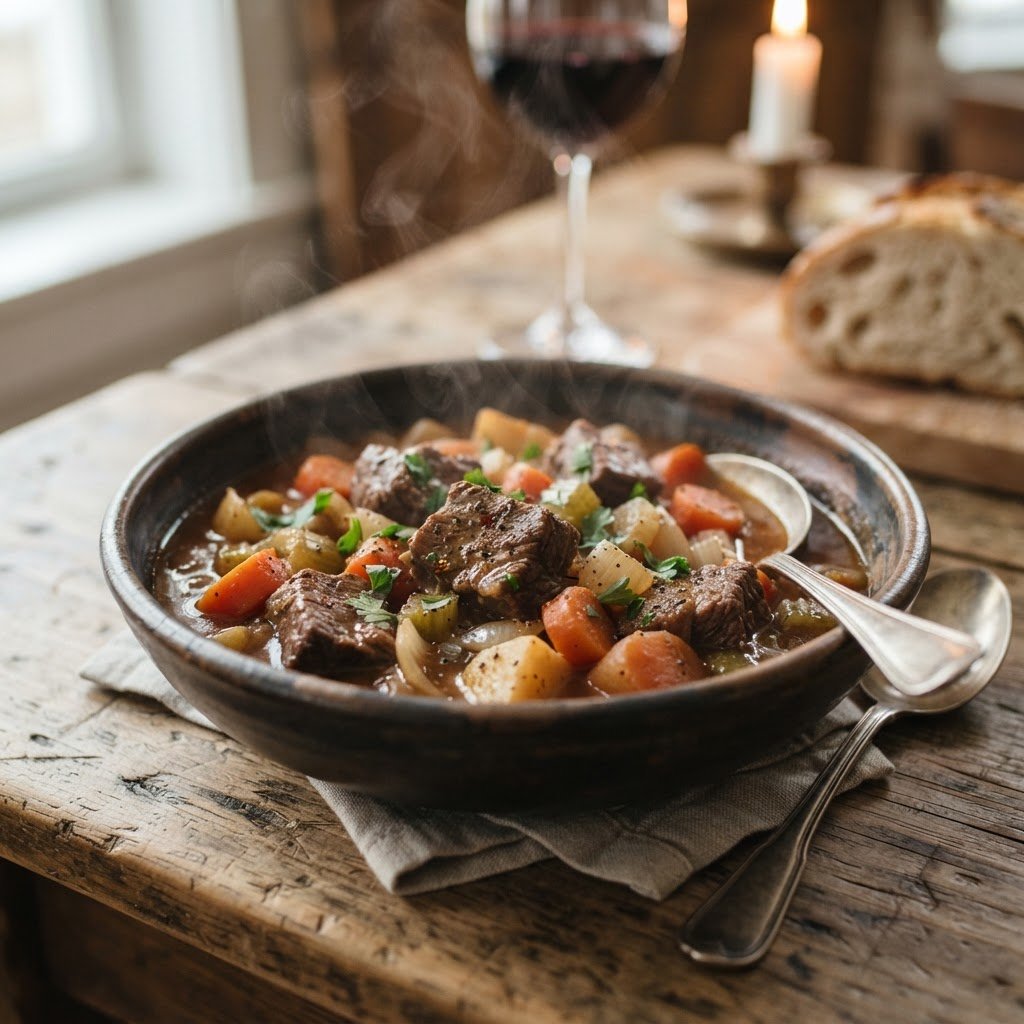
Best Slow Cooker Beef Stew: Simple Set-It-And-Forget-It
The best slow cooker beef stew is achieved by searing two pounds of cubed beef chuck roast before simmering it on low for eight hours with beef broth, aromatics, and hearty root vegetables. This process yields a fork-tender texture and a deep, complex broth that serves as the ultimate classic comfort meal.
The Secret to Perfect Meat Texture
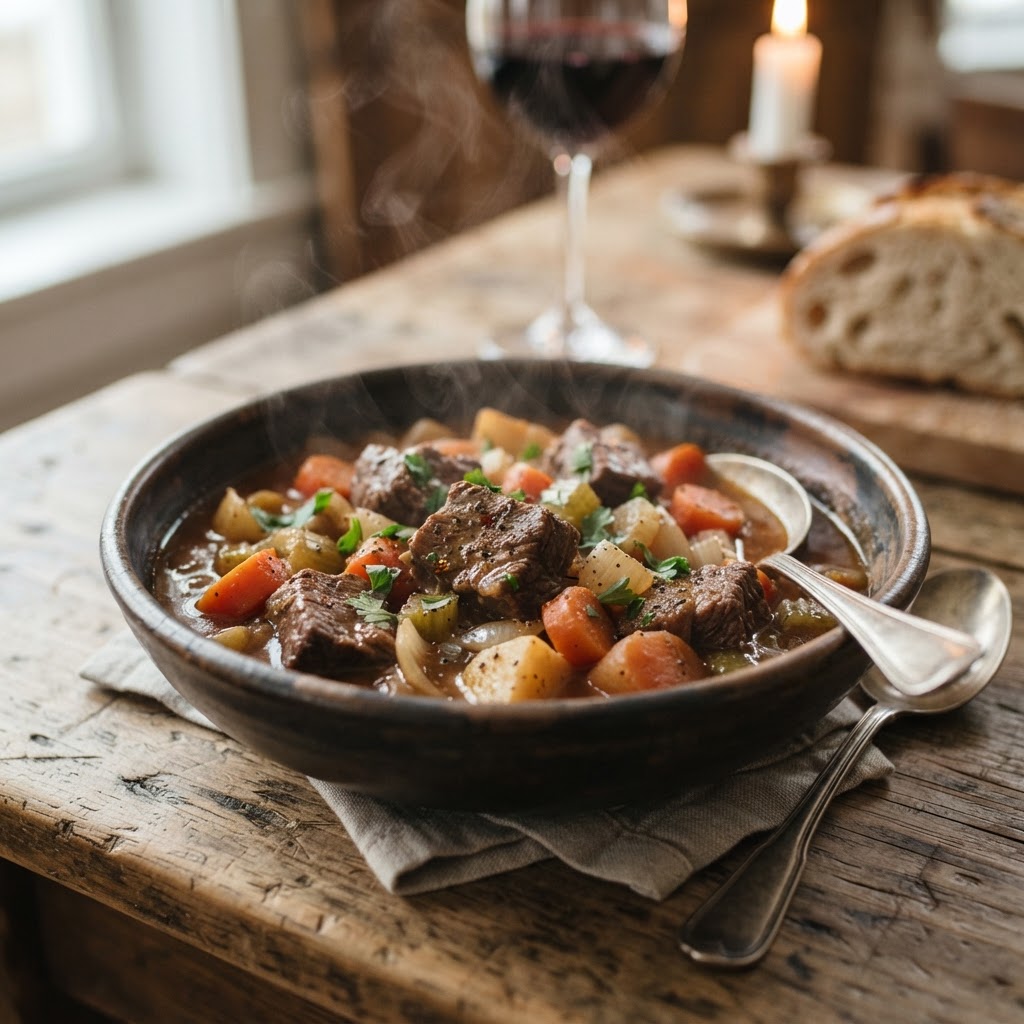
Achieving a professional-grade texture in your stew begins with selecting high-connective tissue cuts like a well-marbled chuck roast, which breaks down into gelatin during the long cook time. Unlike lean muscle cuts that become dry and stringy, chuck roast provides the collagen necessary for a silky, rich sauce. Before adding your beef to the slow cooker, toss it in a coating of flour seasoned with salt, pepper, and dried herbs. This coating acts as a thickener for the broth and facilitates a better crust. Searing your beef in a hot skillet for exactly two minutes per side induces the Maillard reaction, a chemical transformation that creates complex savory compounds. Skipping this step results in a bland, gray meat profile; committing to the sear is the most significant factor in developing a restaurant-quality foundation. By prioritizing the quality of the raw protein and the initial searing technique, you guarantee that the finished dish possesses a consistent, melt-in-your-mouth bite that defines top-tier beef stew.
Step-by-Step Recipe Instructions
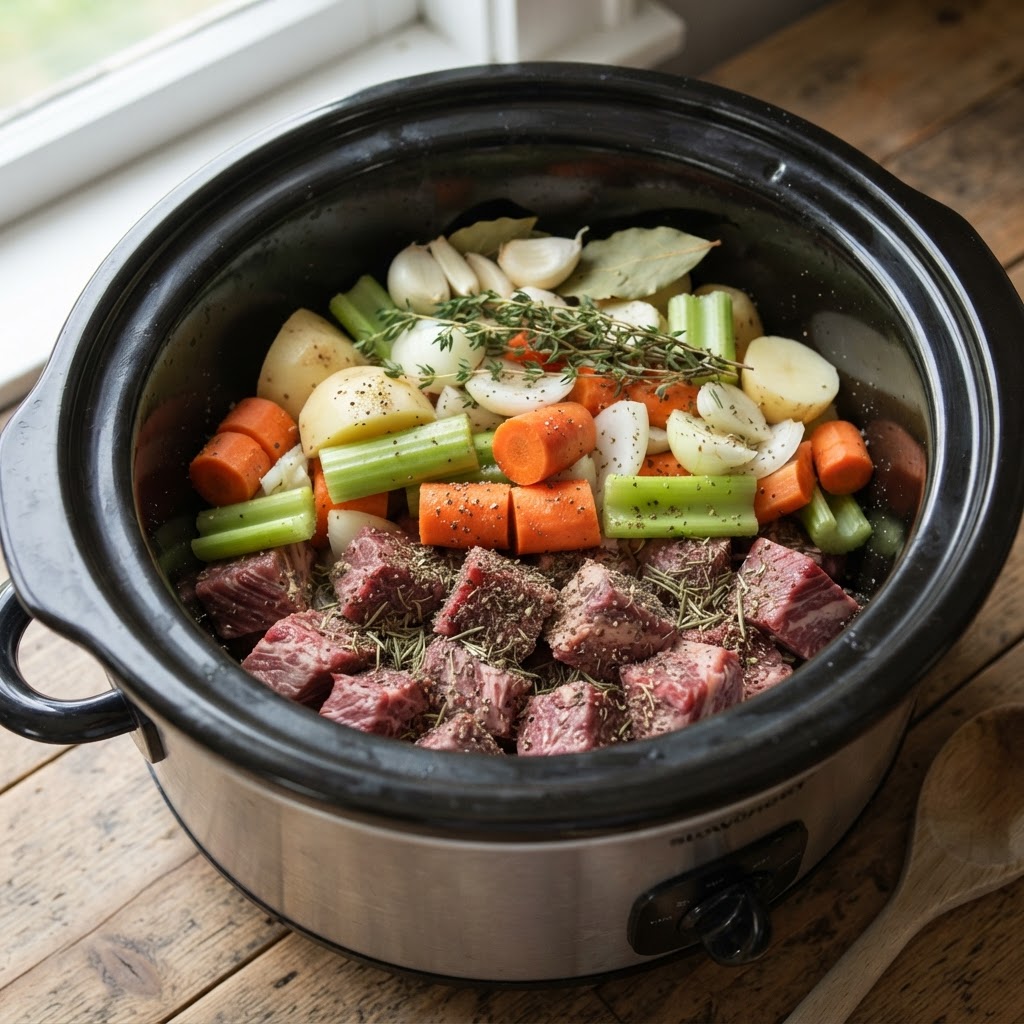
Ingredients You’ll Need
- 2 lbs beef chuck roast, cut into 1-inch cubes
- 3 tbsp all-purpose flour
- 1 tbsp olive oil
- 2 cups beef broth
- 1 lb Yukon gold potatoes, cut into 1-inch chunks
- 3 large carrots, peeled and sliced into rounds
- 1 large yellow onion, diced
- 3 cloves garlic, minced
- 1 tbsp tomato paste
- 1 tsp dried thyme
- 1 tsp kosher salt
- 0.5 tsp black pepper
Essential Ingredients for Depth of Flavor
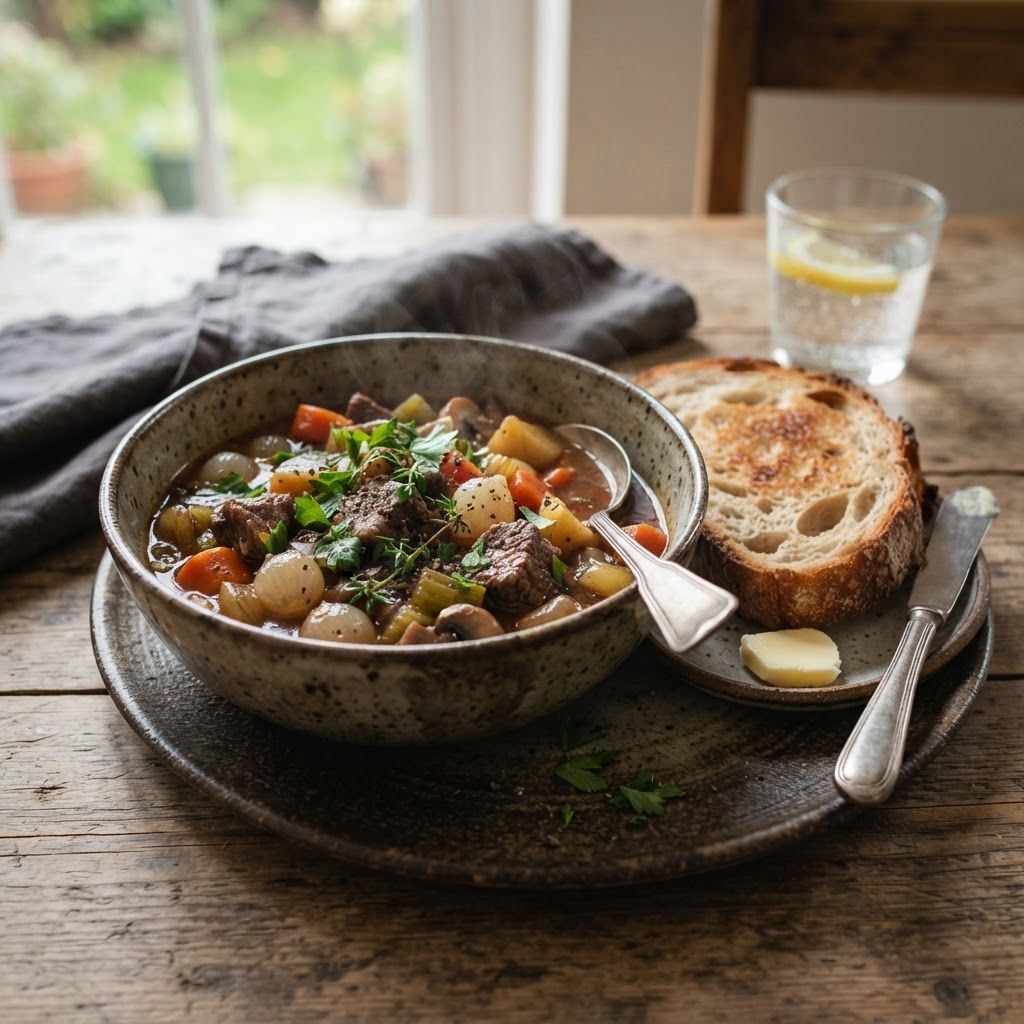
A truly remarkable stew relies on the quality and preparation of its aromatic base, which serves as the flavor engine for the entire dish. Begin by sautéing your onions, garlic, and celery in the remaining beef fat left over from your searing step; this process removes the raw sulfurous bite of the onions and unlocks natural sugars. For the liquid component, utilize a sophisticated combination of dry red wine, such as a Cabernet Sauvignon, and high-quality beef bone broth. The acidity in the wine is crucial for tenderizing the tough collagen fibers in the meat, while the high protein content in bone broth adds a superior “mouthfeel” or body to the sauce that standard stock cannot provide. Furthermore, incorporating a tablespoon of Worcestershire sauce or tomato paste introduces a deep umami profile. Compared to a basic broth-only stew, these ingredients add layers of savory complexity. The following comparison highlights why these upgrades are superior to standard base ingredients:
Mastering Vegetable Ratios and Timing
Vegetables must be added strategically to ensure they maintain their structural integrity during the long cooking process, as different vegetables have varying fiber densities. While the beef requires hours to soften, carrots, potatoes, and parsnips can turn to mush if added too early or chopped too finely. To maintain the ideal texture, use a 2:1 ratio of potatoes to carrots to provide a balanced starch-to-sweetness profile. Place your sturdier vegetables in the bottom of the slow cooker first—where the heat is most direct—but cut them into larger, uniform 1.5-inch chunks to help them withstand the prolonged exposure to high heat without losing their shape. Overcooking is the primary cause of unappetizing, soft vegetables in a stew, so treat the vegetables as a separate variable from the meat. Follow this standardized ratio table to maintain structural equilibrium during your eight-hour cook time:
Time Management and Cooking Techniques
Slow cooking is as much about patience as it is about the right settings, and using the “Low” setting is non-negotiable for achieving perfect tenderness. While modern appliances offer “High” and “Low” settings, always opt for the low setting to allow the muscle fibers in the beef to relax fully over an extended period. This process of slow-roasting in liquid ensures that your slow cooker beef stew remains moist and tender throughout the entire cycle rather than tightening up, which occurs when liquid boils too aggressively. If you find the stew is too thin at the end of the cooking duration, utilize a cornstarch slurry, which consists of one part cornstarch to two parts cold water. Whisking this into the stew and allowing it to cook for an additional fifteen minutes creates a glossy, thick consistency that coats every vegetable and piece of beef perfectly. This finishing technique is a standard secret in commercial kitchens to elevate a home-cooked stew to a restaurant-grade finish.
Serving Suggestions and Pairings
Presentation and side dishes can elevate a humble bowl of stew into an elegant dinner, transforming your kitchen into a comfort-food destination. Serve your meal in deep, pre-warmed bowls to retain heat, topped with a generous sprinkle of fresh parsley or thyme to add a bright, herbal note that cuts through the richness of the broth. Pair this dish with crusty sourdough bread or a simple side salad tossed in a vinaigrette to provide a crunchy, acidic contrast to the tender, savory meat. Having these elements ready makes your easy comfort food experience feel like a full restaurant-grade dinner without any last-minute stress.
FAQ
Can I use frozen beef for this recipe?
It is not recommended to use frozen beef in a slow cooker because the meat stays in the bacterial “danger zone” (40°F to 140°F) for too long. Always thaw your meat completely in the refrigerator for 24 hours before beginning your stew to ensure safety and even cooking.
Why did my vegetables turn into mush?
Vegetables turn mushy when they are chopped into small pieces or subjected to excessive heat for too long. To maintain their texture, cut your potatoes and carrots into large, uniform two-inch chunks, which allows them to retain their structural integrity throughout the full eight-hour cooking cycle.
Should I sear the beef if I am in a hurry?
While you can technically skip the searing step to save time, you will lose a significant amount of depth and umami in your broth. If you are truly pressed for time, add a teaspoon of soy sauce or Worcestershire sauce to the liquid to compensate for the missing caramelization flavor.
Can I make this recipe in an Instant Pot instead?
Yes, you can adapt this recipe for a pressure cooker by searing the meat in the pot, adding your liquids, and cooking on the high-pressure setting for 35 minutes. Perform a natural release for 10-15 minutes afterwards; while the flavors will be similar, they will be slightly less developed than the slow-simmered version.
How do I thicken the stew if it is too runny?
To thicken a thin stew, create a slurry by mixing one tablespoon of cornstarch with two tablespoons of cold water. Stir this mixture into the hot stew during the final 15 minutes of cooking, which will transform the broth into a glossy, thick gravy.