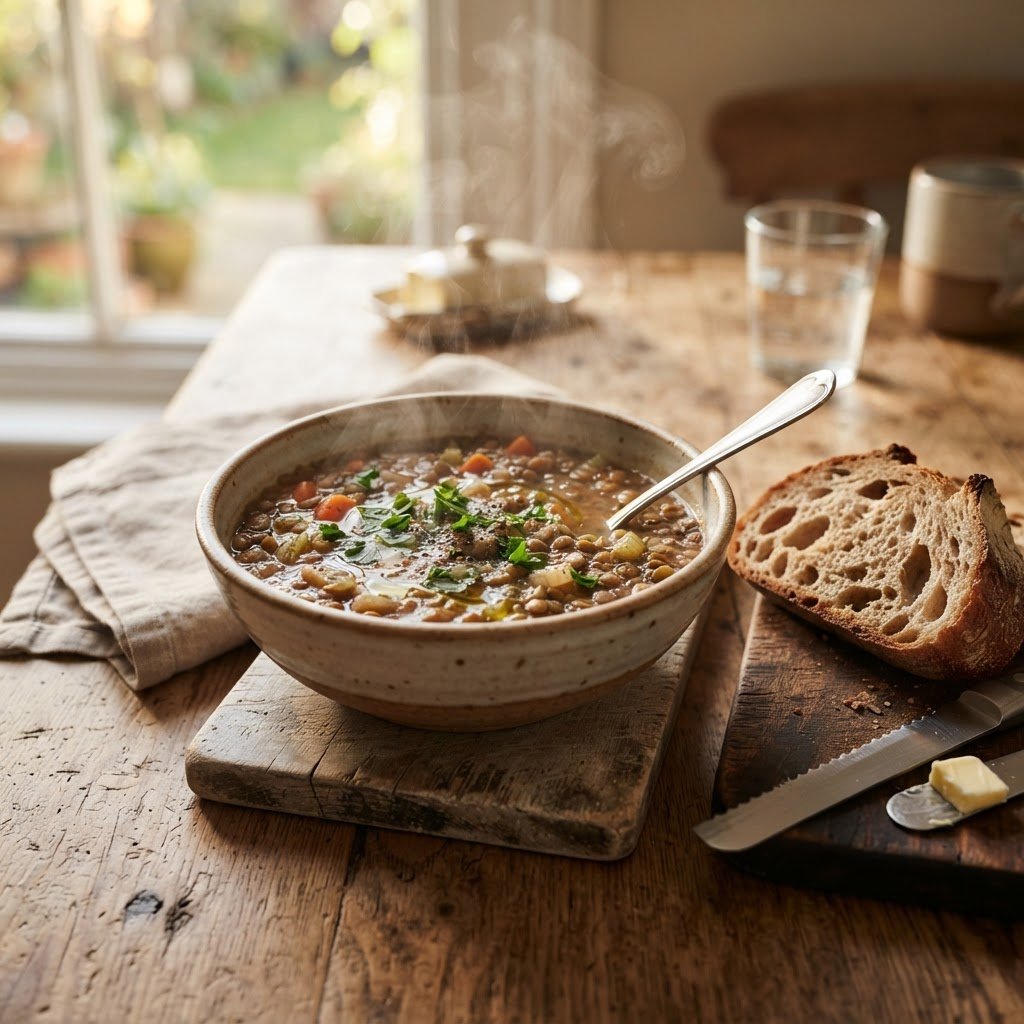
Best Ever Slow Cooker Soup: The Ultimate Lentil Recipe
To make the best slow cooker lentil soup, combine 1.5 cups of rinsed brown lentils with 4 cups of vegetable broth, diced aromatics, and savory spices, then cook on high for 4 hours or low for 7 hours. This method produces a hearty, fiber-rich meal that requires minimal preparation, making it a perfect “dump-and-go” dinner for busy families.
The Magic of Slow Cooker Soup
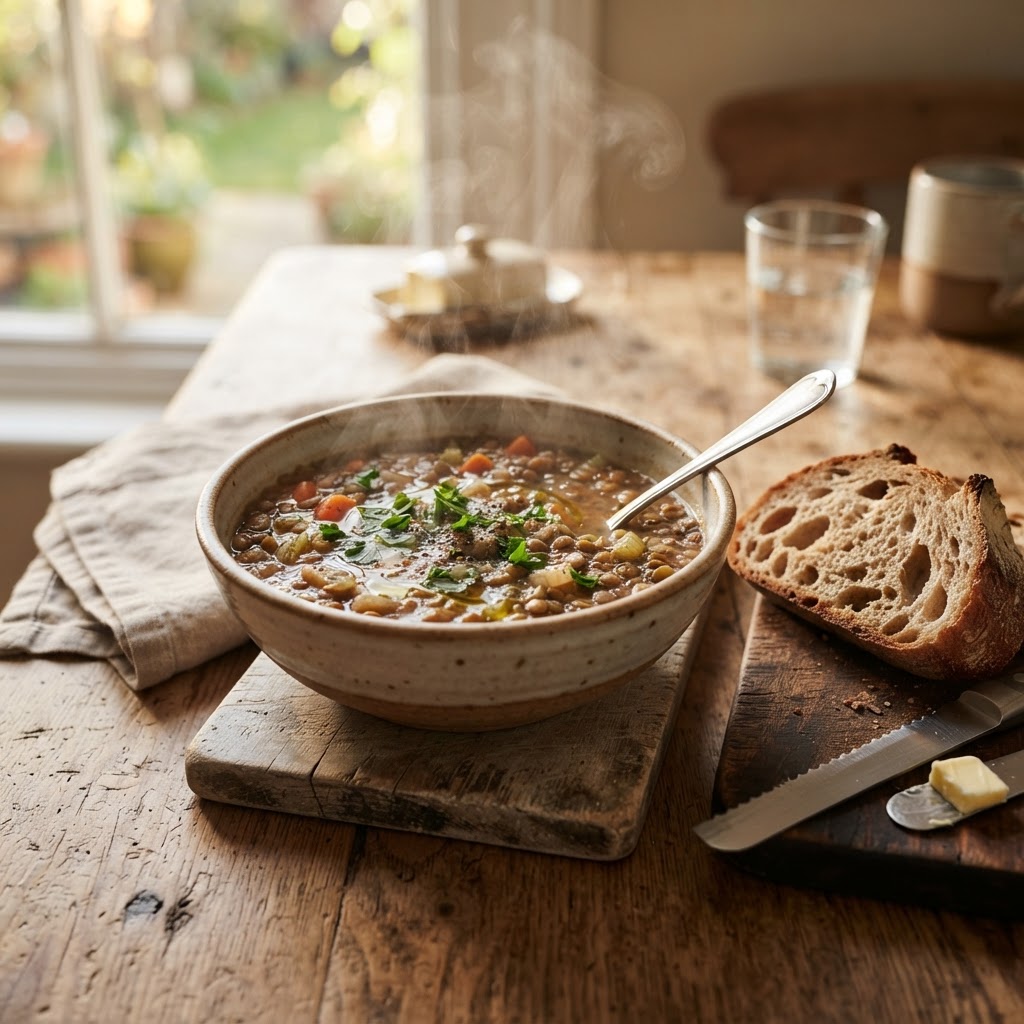
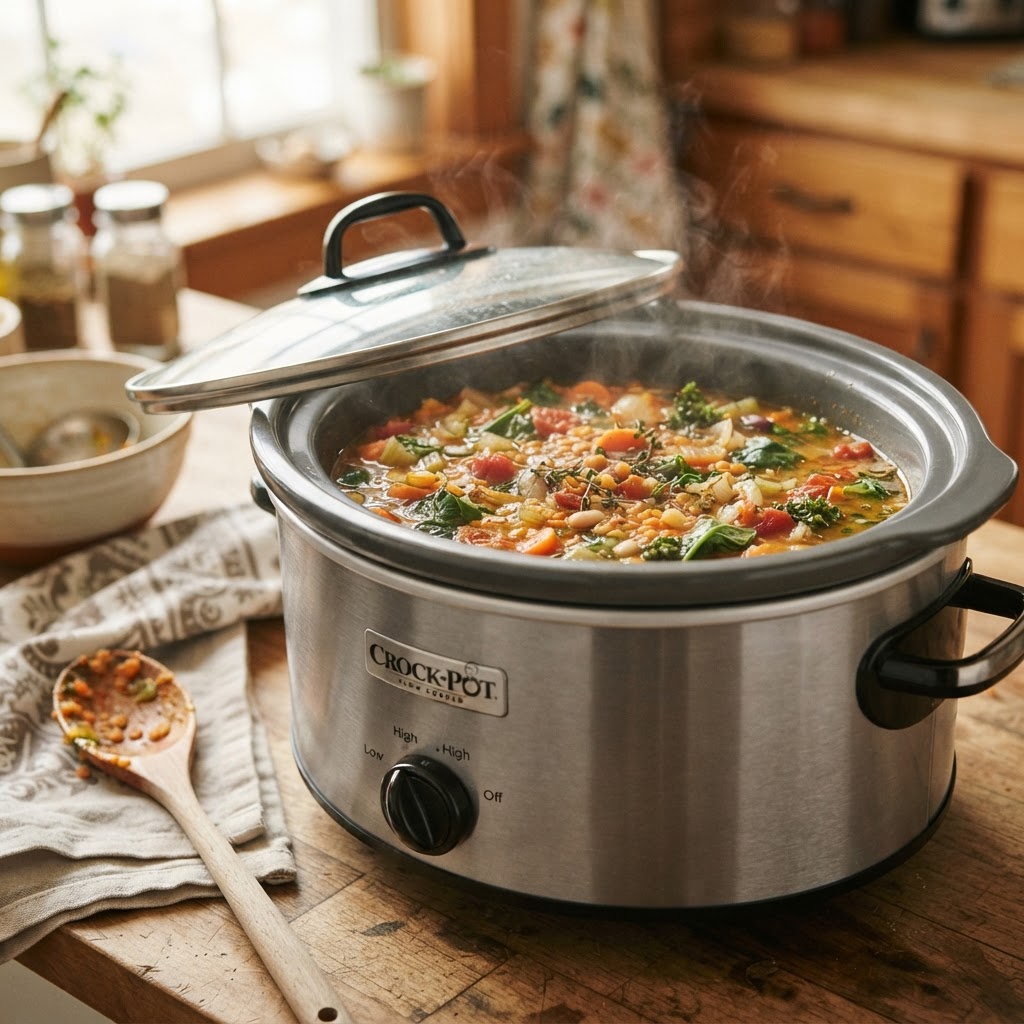
Slow cooker soup acts as a secret weapon for home cooks by utilizing gentle, consistent heat to transform dry pantry staples into gourmet-quality meals without constant supervision. Unlike stovetop cooking, which can quickly lead to scorched bottoms or uneven textures, the slow cooker maintains an internal temperature between 190°F and 205°F, allowing lentils to soften perfectly without turning into mush. This “dump-and-go” method ensures that your kitchen remains cool during the process while infusing complex flavors into every ingredient. For families prioritizing healthy habits, this cooking style minimizes the need for added fats while maximizing the natural bioavailability of nutrients found in fiber-dense legumes. By preparing these meals in a slow cooker, you can guarantee a consistent, high-nutritional output that fits seamlessly into a demanding schedule, turning the chore of cooking into a passive, efficient task that yields professional results every single time.
Step-by-Step Recipe Instructions
Ingredients You’ll Need
- 1.5 cups dry brown lentils, rinsed
- 4 cups vegetable broth
- 1 large yellow onion, finely diced
- 3 cloves garlic, minced
- 2 large carrots, peeled and sliced into rounds
- 2 stalks celery, chopped
- 1 tsp ground cumin
- 1 tsp dried oregano
- 1/2 tsp smoked paprika
- 1 tbsp lemon juice
- 1/4 cup fresh parsley, chopped
Follow this clear, step-by-step guide to prepare this dish perfectly every time.
Ingredients for Healthy Slow Cooker Lentil Soup
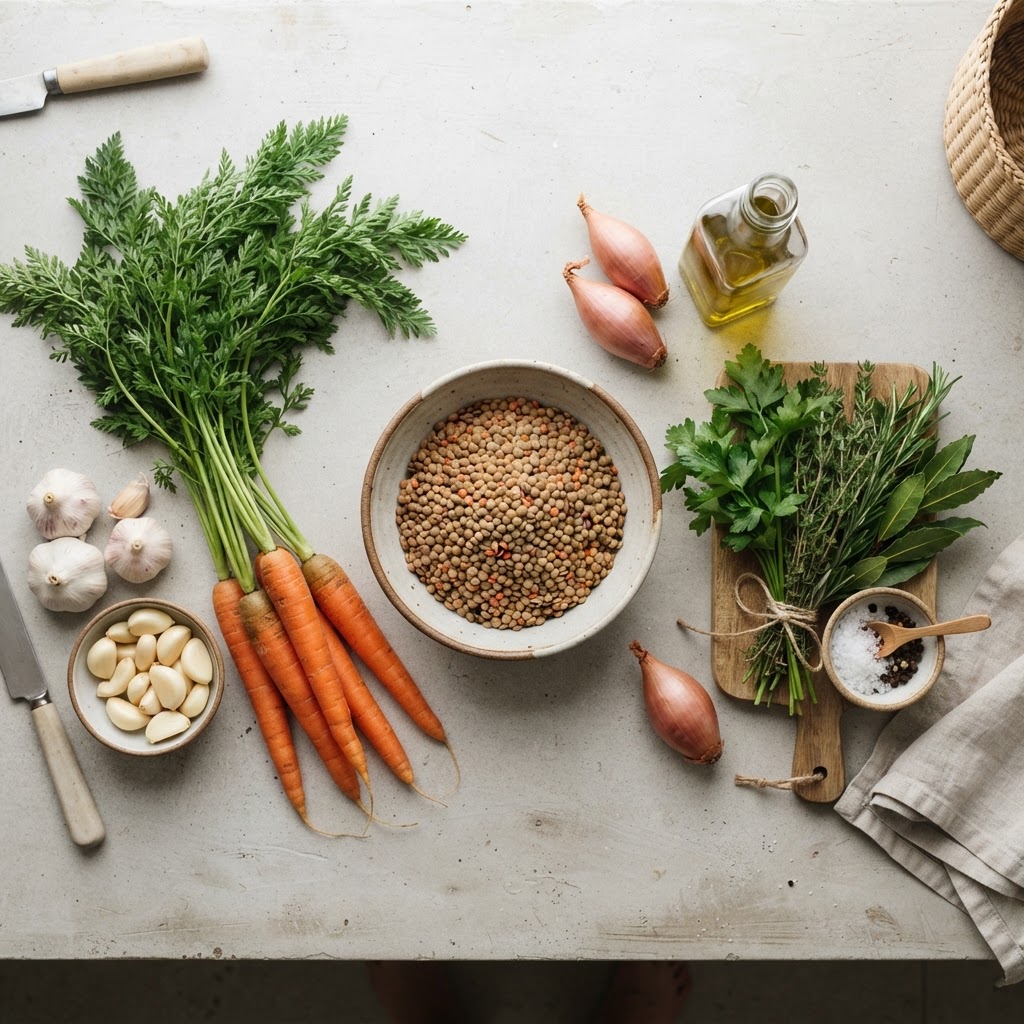
High-quality pantry staples provide the essential foundation for creating a heart-healthy and nutritionally balanced soup that satisfies hunger for hours. Brown lentils serve as the primary source of plant-based protein, offering approximately 18 grams of protein and 15 grams of fiber per cooked cup, which helps regulate blood sugar levels. When selecting your aromatics and liquids, choosing low-sodium vegetable broth is critical, as it allows the home cook to modulate the final salinity without relying on processed pre-made stocks that often contain excessive hidden sugars. Adding acidic components like tomatoes or a final splash of lemon juice is a culinary necessity, as acid acts as a flavor catalyst that cuts through the starchiness of the lentils, lifting the earthy profile of the dish. By incorporating diverse vegetables such as carrots for beta-carotene or parsnips for earthy sweetness, you create a “nutrient density” profile that supports immune function, specifically during the colder months when vitamin intake is vital. This controlled ingredient approach elevates a simple soup into a high-performance meal suitable for weight management and long-term energy stability.
Expanding Your Crockpot Soup Repertoire

Mastering the basic lentil formula empowers you to diversify your weekly meal rotation using consistent slow-cooking techniques across various base ingredients. For instance, transitioning from a legume base to a tuber-heavy base like a classic potato soup allows you to experiment with emulsification, where starches from the potatoes naturally thicken the broth without the need for heavy cream or flour-based roux. Beyond mere flavor variations, diversifying your repertoire helps manage kitchen costs by allowing for the inclusion of seasonal produce, such as root vegetables in autumn or squash in winter, which are often the most economical options at the grocery store. Experimenting with proteins like ham, bacon, or shredded chicken adds a savory “umami” component that deepens the flavor profile, making these soups suitable for main courses rather than just starters. The versatility of the slow cooker allows you to scale these recipes easily; if you have a 6-quart device, you can double the ingredients to ensure you have multiple portions available for freezer storage, ultimately reducing your reliance on convenience foods during busy work weeks.
Unique Soup Flavors and Techniques
Sophisticated flavor profiles can be achieved in a slow cooker by applying specific culinary techniques to your aromatics before the long-simmering process begins. For dishes like French Onion Soup, the slow cooker acts as a vessel for Maillard reaction optimization, where low heat slowly caramelizes natural sugars in onions over 8 to 10 hours, creating a rich, mahogany-colored broth that cannot be rushed. For international applications, such as Tom Kha (Thai coconut soup), the sequence of ingredient addition is paramount; coconut milk should ideally be whisked in during the final hour of cooking to prevent the fats from separating and becoming oily. Additionally, incorporating spices like smoked paprika or turmeric at the start of the cycle allows for fat-soluble compounds to permeate the entire volume of the liquid, resulting in a more uniform flavor distribution. By understanding how temperature impacts specific ingredients—such as the breakdown of aromatics versus the preservation of delicate herbs—you transition from a passive user of the device to an active creator of complex, restaurant-grade soups.
Troubleshooting and Tips for Success
Achieving consistent results in slow cooker soups requires an understanding of fluid dynamics and ingredient density to avoid common issues like watery broths or overcooked vegetables. One of the most frequent mistakes is adding too much liquid, as the closed environment of the crockpot prevents evaporation; a good rule of thumb is to have liquid just barely covering the solid ingredients, as vegetables and lentils will release their own juices during the cook cycle. If you find your soup has reached the end of the cooking time and remains too thin, you can employ the immersion blender technique, processing just 10% to 20% of the soup to thicken the body while leaving the rest of the ingredients rustic and whole. Furthermore, always ensure that your slow cooker is filled between 1/2 to 2/3 of its capacity; overfilling leads to uneven cooking times, while underfilling causes the soup to cook too quickly and potentially scorch the edges. Following these precise volume and technique rules ensures that every batch maintains the integrity and texture you intended.
FAQ
Can I use red lentils instead of brown for this slow cooker soup?
Yes, you can substitute red lentils, but be aware that they break down significantly faster, resulting in a puréed, creamy consistency rather than a rustic texture. Reduce the cooking time by 1-2 hours if using red lentils to prevent them from dissolving entirely into the broth.
How long does this slow cooker soup last in the fridge?
Store your lentil soup in an airtight container for up to four to five days in the refrigerator to maintain optimal flavor and freshness. Always ensure the soup has cooled to room temperature before sealing the container to prevent condensation from affecting the texture.
Do I need to soak the lentils before adding them to the crockpot?
No, you do not need to pre-soak lentils for a slow cooker soup because the long, low-temperature cooking time allows them to hydrate and soften naturally. Simply rinse them thoroughly under cold water in a fine-mesh strainer to remove any dust or debris before adding them to the pot.
Can I add meat to this lentil soup?
Yes, adding smoked ham hock, cooked sausage, or shredded rotisserie chicken is an excellent way to boost the protein and savory flavor profile of the soup. For the best texture, add pre-cooked meats during the last hour of cooking to keep them tender and prevent them from becoming stringy.
Is it necessary to sauté the onions and garlic first?
While the “dump-and-go” method works perfectly well for this recipe, sautéing your onions and garlic in a pan for 5 minutes before adding them to the slow cooker can significantly deepen the aromatic foundation. This extra step develops a more complex, caramelized flavor profile that highlights the sweetness of the onions.