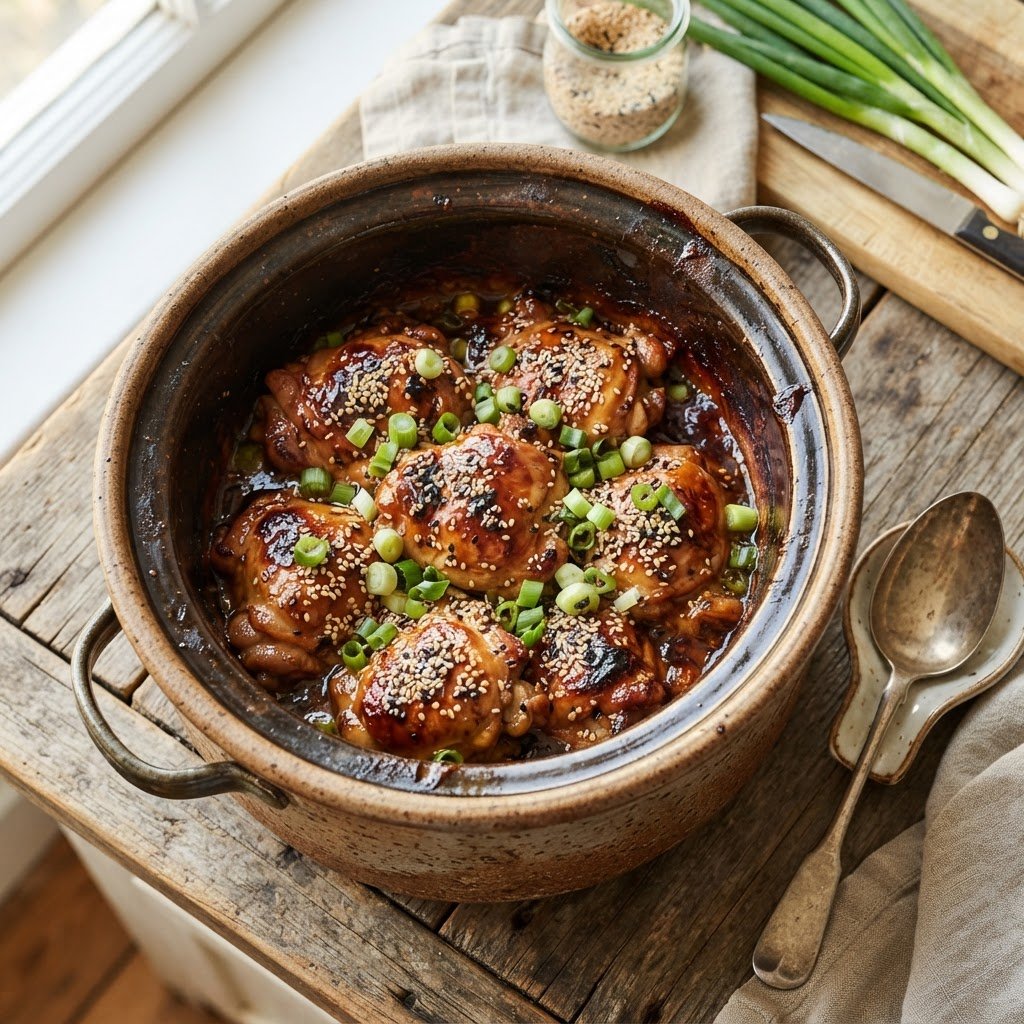
Slow Cooker Meals: Honey Garlic Chicken Noodles Recipe
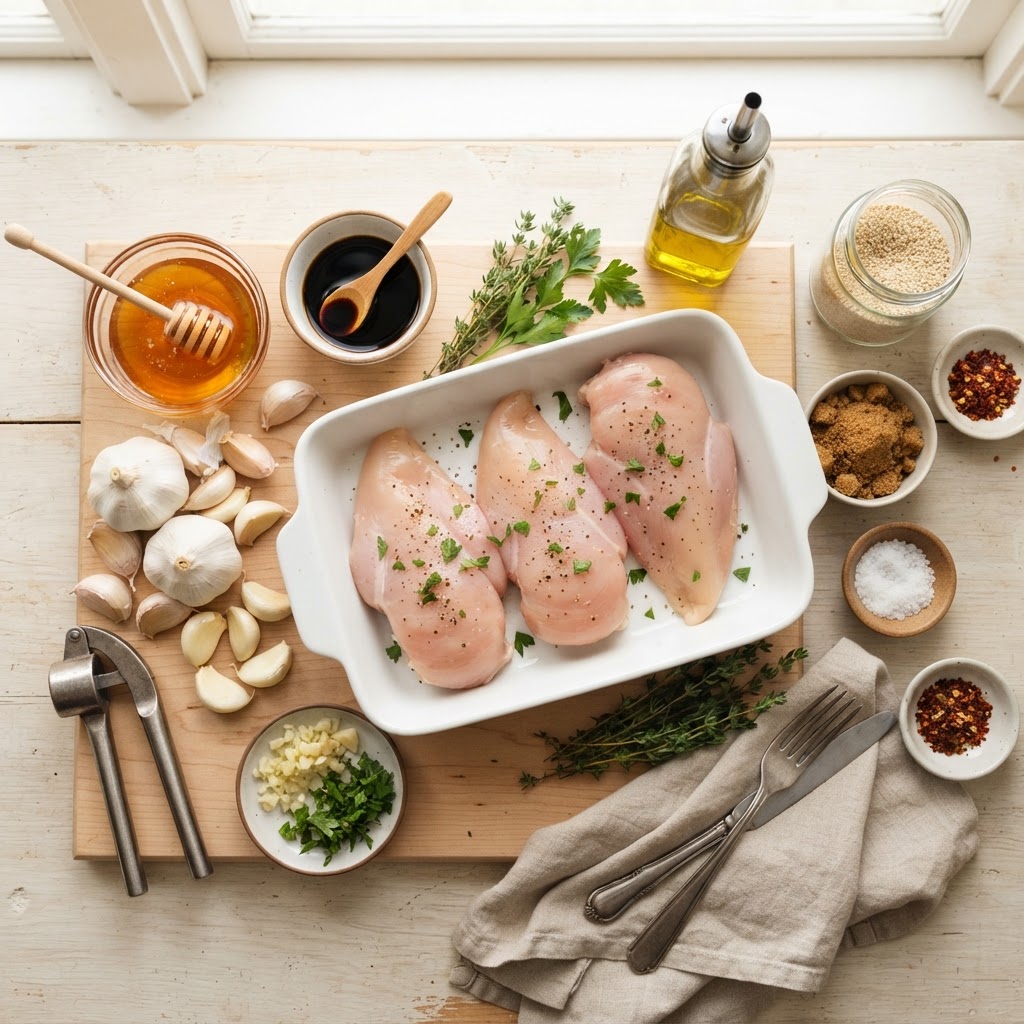
To make honey garlic chicken noodles in a slow cooker, combine chicken thighs with a sauce of honey, soy sauce, garlic, ginger, and ketchup. Cook on low for 4–5 hours, shred the meat, and toss with separately boiled noodles for a balanced, sweet, and savory dinner ready in minutes of active prep time.
The Art of One-Pot Convenience
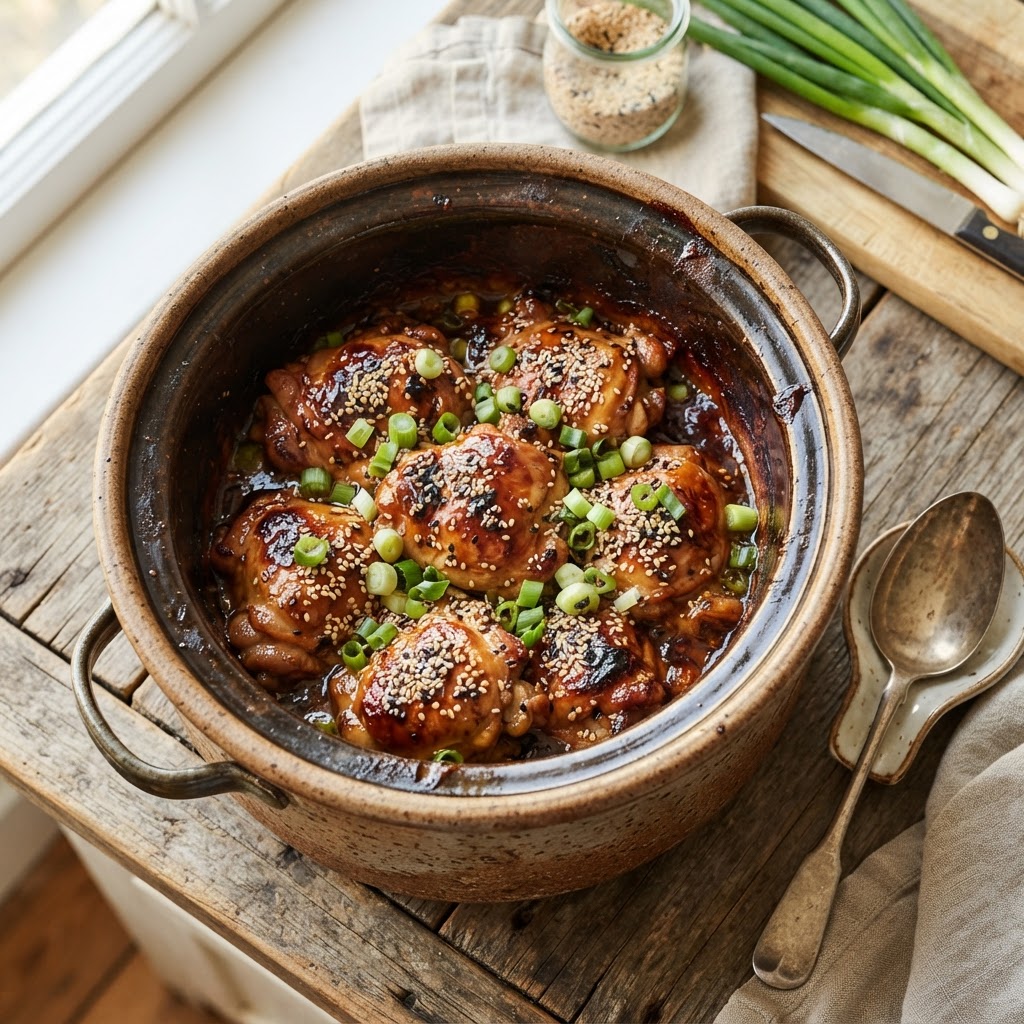
Mastering the art of one-pot cooking transforms simple pantry staples into restaurant-quality meals with minimal effort and cleanup. Slow cookers provide an ideal environment for breaking down connective tissues in proteins, resulting in tender textures that are difficult to replicate with high-heat methods. By utilizing this appliance, home cooks can consistently prepare everything from hearty stews to elegant pasta dishes without the need for constant monitoring. This method is particularly effective for those managing busy schedules who still prioritize nutritious, home-cooked dinners. If you enjoy hearty comfort foods, you should also try our recipe for easy beef tips and gravy, which is perfect for serving over mashed potatoes or rice. The versatility of your slow cooker is unmatched; it handles diverse ingredients like smoked sausage, kielbasa, and ravioli with ease. Whether you are exploring simple smoked sausage ideas or experimenting with creative sausage and ravioli recipes, the slow cooker remains the most reliable tool in your kitchen for developing deep, complex flavors. Professional chefs often utilize the slow cooker for crockpot stew meat recipes, as the low-temperature environment ensures that the meat remains succulent. By mastering specific techniques for beef tips in crockpot, you can achieve a melt-in-your-mouth consistency that elevates basic ingredients into a gourmet experience. Whether you are searching for beef tips crock pot recipes onion soup or classic tender beef tips crock pot recipes, the key is maintaining a consistent temperature and avoiding the temptation to open the lid frequently, which can cause significant heat loss and increase total cooking time.
Step-by-Step Recipe Instructions
Versatility in Your Kitchen
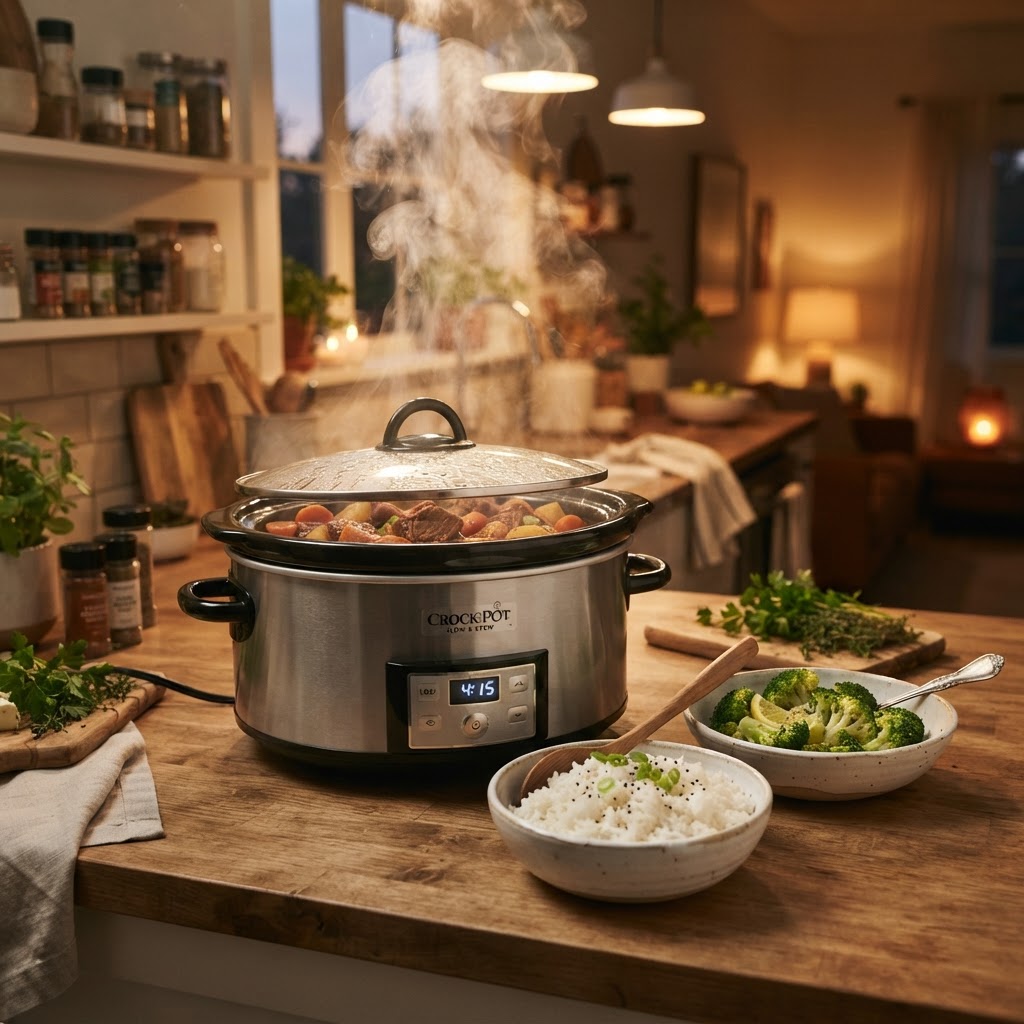
Your slow cooker acts as a multitasking powerhouse, capable of handling large-batch meal prep or serving as a reliable tool for quick and easy weeknight dinners. Beyond simple dump dinners, the appliance is essential for scaling recipes to accommodate different household sizes, whether you are cooking for a family of four or preparing meals for a gathering. Proper utilization of a slow cooker involves understanding the thermal properties of your specific model; most units reach 190°F to 210°F on the ‘Low’ setting. This specific temperature range is optimal for slow-cooking healthy ingredients while preserving the integrity of vitamins and minerals. Home cooks can experiment with versatile proteins, such as strip steak for stir-fry recipes or flank steak for slow-cooked dinner ideas that remain tender. The appliance excels at creating the most tender roast, even when traditional methods fail or when you prefer to avoid store-bought beef broth. By substituting acidic elements like tomato paste or red wine, you can create rich, depth-filled gravies that improve upon standard pot roast recipes. Additionally, mastering techniques for slow cooker pork loin or crockpot pork tenderloin allows you to keep an arsenal of varied protein options in your rotation. For those planning seasonal gatherings, such as Christmas family meals, the slow cooker provides a stress-free way to maintain steady temperatures for large cuts of meat, ensuring that every portion is served at the ideal internal temperature. Consistency in preparation leads to better results, so take the time to test your cooker’s cycle timing—some modern units run hotter than older models, which can impact the outcome of delicate sauces and braises.
Exploring Pork and Global Flavors
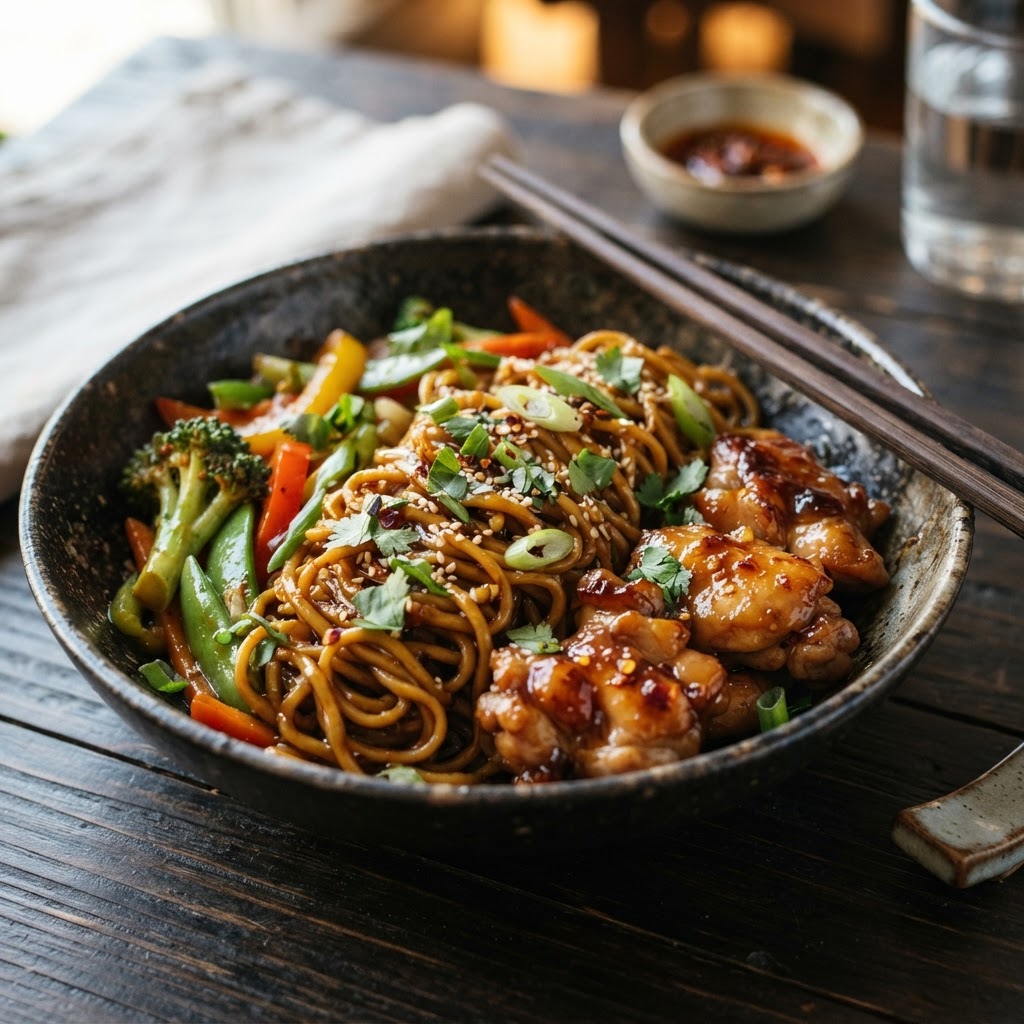
Slow cookers are uniquely suited for global flavor profiles, effortlessly handling everything from classic French stews to spicy Asian-inspired pork dishes. By manipulating aromatics and spice levels during the extended cooking process, you can achieve a level of flavor penetration that is impossible with stovetop methods. For instance, creating a Dijon and cognac beef stew requires the gentle heat of the slow cooker to emulsify the sauce and soften tough cuts of meat without drying them out. When preparing pork roast in a slow cooker, success is achieved by balancing moisture levels; adding root vegetables like potatoes and carrots at the bottom of the pot creates a natural rack for the meat. This ensures even cooking and prevents the pork from scorching. Below is a comparison of common beef preparations to help you decide on your next meal.
Comparison of Slow Cooker Beef Dishes
For busy work weeks, utilizing 4-hour or 8-hour cooking cycles allows for a hands-off approach to gourmet cooking, such as preparing easy beef and frozen veggie dump dinners to save time on meal prep. Many home chefs find that simple meat-based recipes, such as crockpot pork pot roast or various slow cooker pork tenderloin dishes, can be customized with minimal intervention. By utilizing the slow cooker’s ability to maintain a steady, low heat, you can safely explore advanced culinary techniques like braising with alcohol-based reductions or infusing complex curry spices into your favorite dishes.
Mastering Casseroles and Curries
Mastering slow cooker casseroles and curries relies on understanding the ratio of liquid to starch, ensuring a hearty, non-soggy result. Whether you are preparing a cheesy cowboy casserole or a classic salisbury steak, the goal is to develop a thick, cohesive sauce that binds the ingredients together. Casseroles are particularly forgiving, as the ingredients are often combined in a way that allows them to bake slowly, resulting in a depth of flavor that is often described as superior to oven-baked versions. When attempting curries, the secret lies in adding delicate aromatics like coconut milk or fresh herbs toward the end of the cooking cycle to preserve their brightness and prevent curdling. Understanding these nuanced recipe steps opens up a world of possibilities, from complex Massaman beef to simple, healthy chicken curries. The versatility of the slow cooker allows you to master these diverse categories by strictly managing your active cook times. For those seeking variety, rotating between beef-based stews, pork-based roasts, and vegetable-forward curries ensures that your meal plan remains dynamic. If you are struggling with recipe consistency, focus on the ‘dump and go’ method for simple meals, while reserving more complex layering techniques for your weekend cooking projects. The slow cooker is essentially a tool for flavor extraction; by choosing the right combination of ingredients—such as high-quality proteins, aromatic vegetables, and balanced sauces—you can achieve professional results every time. Whether you choose to cook a classic beef stew or a modern, spicy lamb curry, your slow cooker acts as the foundation for endless, nutritious culinary exploration.
Finalizing Your Menu
Efficient menu planning with a slow cooker involves selecting a mix of prep-heavy and ‘dump-and-go’ recipes to suit your weekly schedule. For heavy days, rely on classics like crockpot beef stew or slow cooker meatballs, which offer consistent results with minimal active oversight. When you have more time, experiment with global inspirations like Massaman beef or paleo-friendly lamb curries to keep your palate engaged. The key to successful menu finalization is organizing your pantry to include staples such as dried herbs, spices, long-shelf-life root vegetables, and quality proteins. By maintaining an inventory of these items, you can avoid last-minute trips to the store and reduce food waste. Remember that the slow cooker is not just for winter comfort food; it is a year-round tool for preparing shredded proteins for tacos, sliders, or fresh summer salads. As you grow more confident, begin to adapt generic recipes by incorporating your own favorite flavor profiles—such as swapping traditional beef stock for a more complex soy-ginger reduction in your stews. Ultimately, the best slow cooker menu is one that balances your nutritional needs with your craving for convenience, allowing you to enjoy homemade meals even on the busiest days.
FAQ
How long should I cook chicken in a slow cooker?
Chicken should typically be cooked on low for 4 to 6 hours to ensure the meat remains moist and tender. Cooking for too long can cause chicken breast or thighs to dry out, so it is best to check for an internal temperature of 165°F once the timer concludes.
Can I put raw noodles directly into the slow cooker?
While some recipes allow for adding dry pasta, it is usually better to cook noodles separately in boiling water to avoid a mushy texture. Add the cooked noodles to your slow cooker during the final 15 to 30 minutes of cooking so they can absorb the sauce while maintaining their structure.
Are slow cooker meals healthy?
Slow cooker meals are generally healthy because they rely on slow, low-heat cooking that helps preserve the nutrients found in fresh vegetables and proteins. By controlling your own ingredients, you can significantly reduce sodium content and eliminate the artificial preservatives commonly found in pre-packaged convenience meals.
What if my slow cooker recipe is too watery?
If your sauce is too thin, you can whisk in a cornstarch slurry—one tablespoon of cornstarch mixed with two tablespoons of cold water—during the final 30 minutes of cooking. Alternatively, remove the lid entirely for the last hour to allow excess moisture to evaporate, which also concentrates the flavor.
How do I prevent slow cooker meals from becoming bland?
To prevent bland results, always sear your meat before adding it to the slow cooker to build a base of Maillard-reaction flavor. Additionally, remember to season at the end of the cooking process, as high-heat spices and herbs can lose their potency during the long, low-temperature cooking cycles.