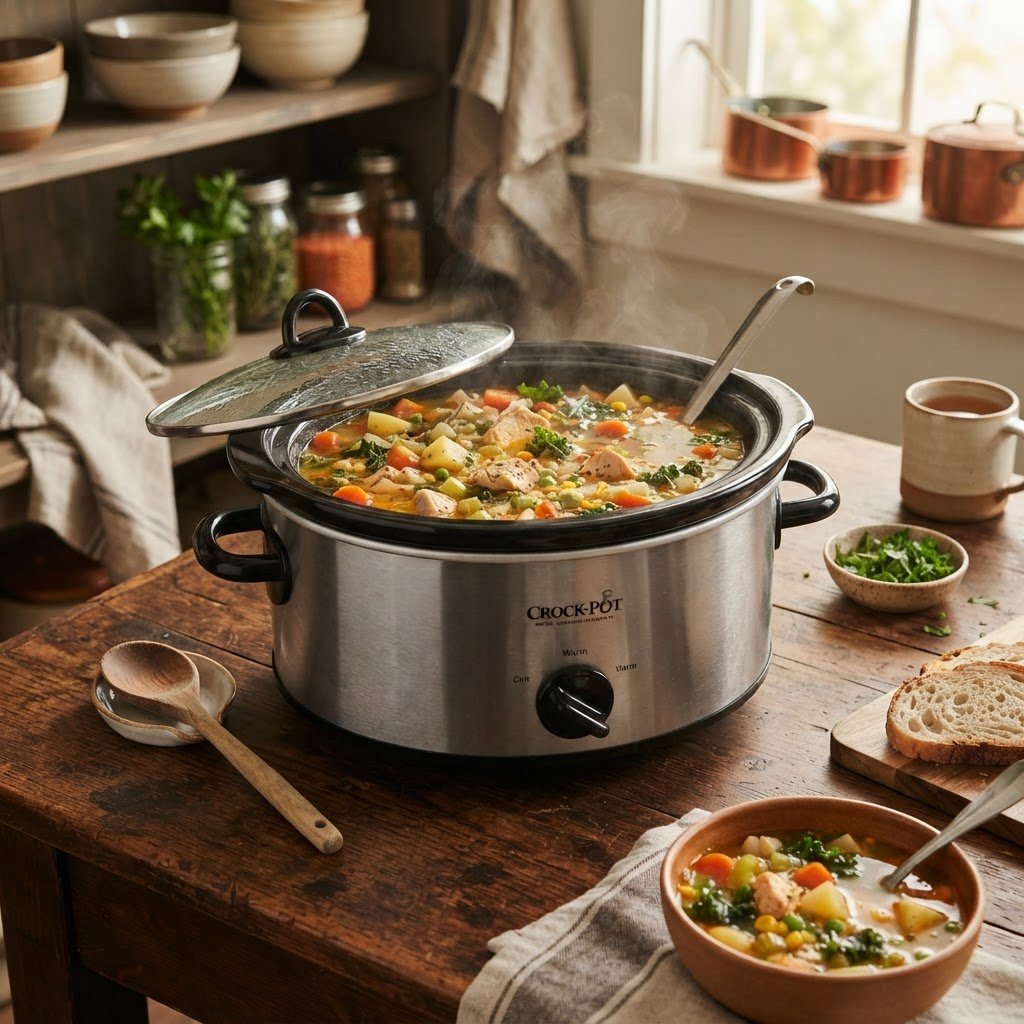
Finding the best easy dump-and-go crockpot soup recipes is the ultimate hack for busy home cooks who crave nutritious, homemade comfort food. By simply tossing raw ingredients into your slow cooker in the morning, you can guarantee a warm, flavorful dinner is ready the moment you walk through the door, saving hours of active prep time each week.
The Magic of Dump-and-Go Soup Cooking
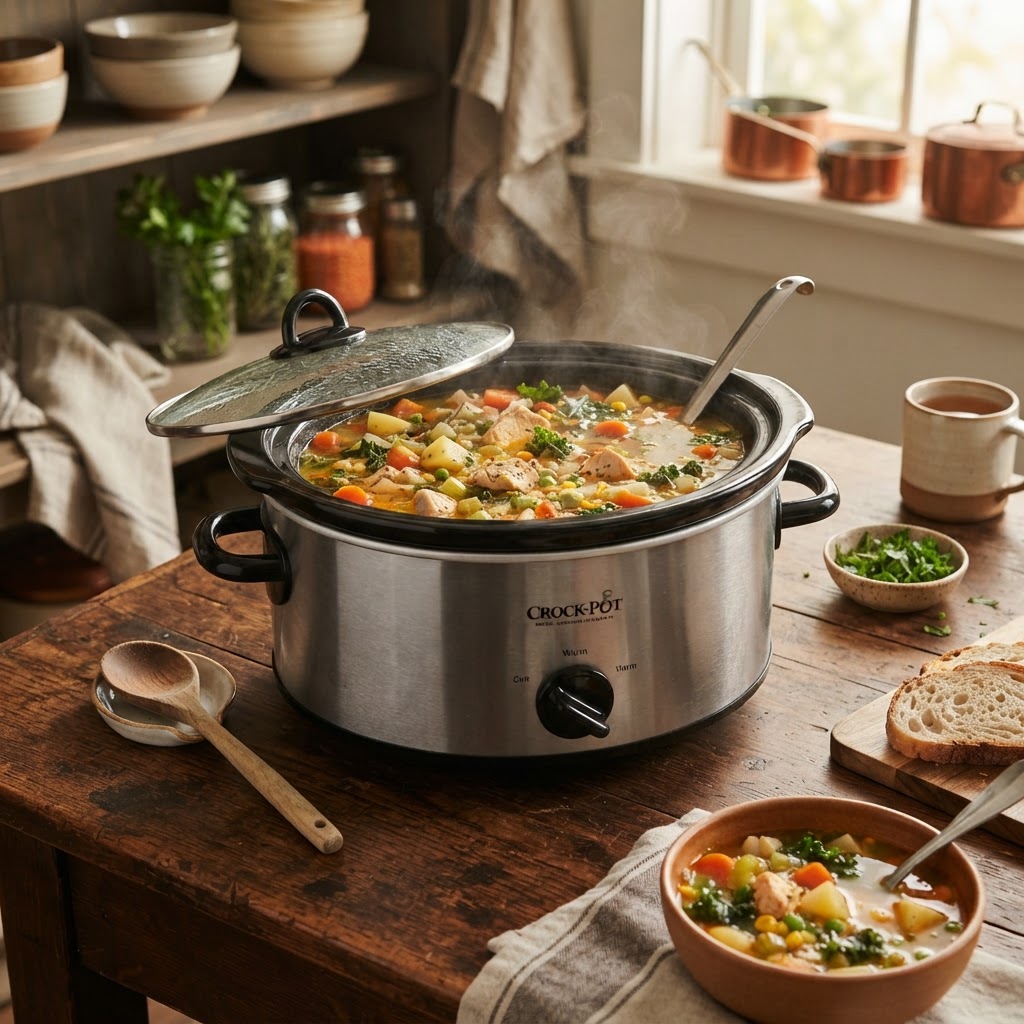
The fundamental appeal of easy dump-and-go crockpot soup recipes lies in their simplicity and time-efficiency. When you utilize the slow cooker, you allow flavors to meld over several hours, which is the secret to restaurant-quality depth. Most of these recipes require nothing more than washing your vegetables, trimming your proteins, and adding a broth or stock base to the basin. This method is particularly effective for working parents or professionals who want to avoid the post-work scramble to prepare a healthy meal. By focusing on shelf-stable pantry staples like beans, lentils, and dried spices, you can keep your kitchen stocked for last-minute meal preparation without frequent grocery trips.
” src=”https://img.youtube.com/vi/PGv1WWvO6Og/hqdefault.jpg” style=”display:block; margin:2.5em auto; max-width:100%; height:auto;” />
Essential Ingredients for Perfect Results
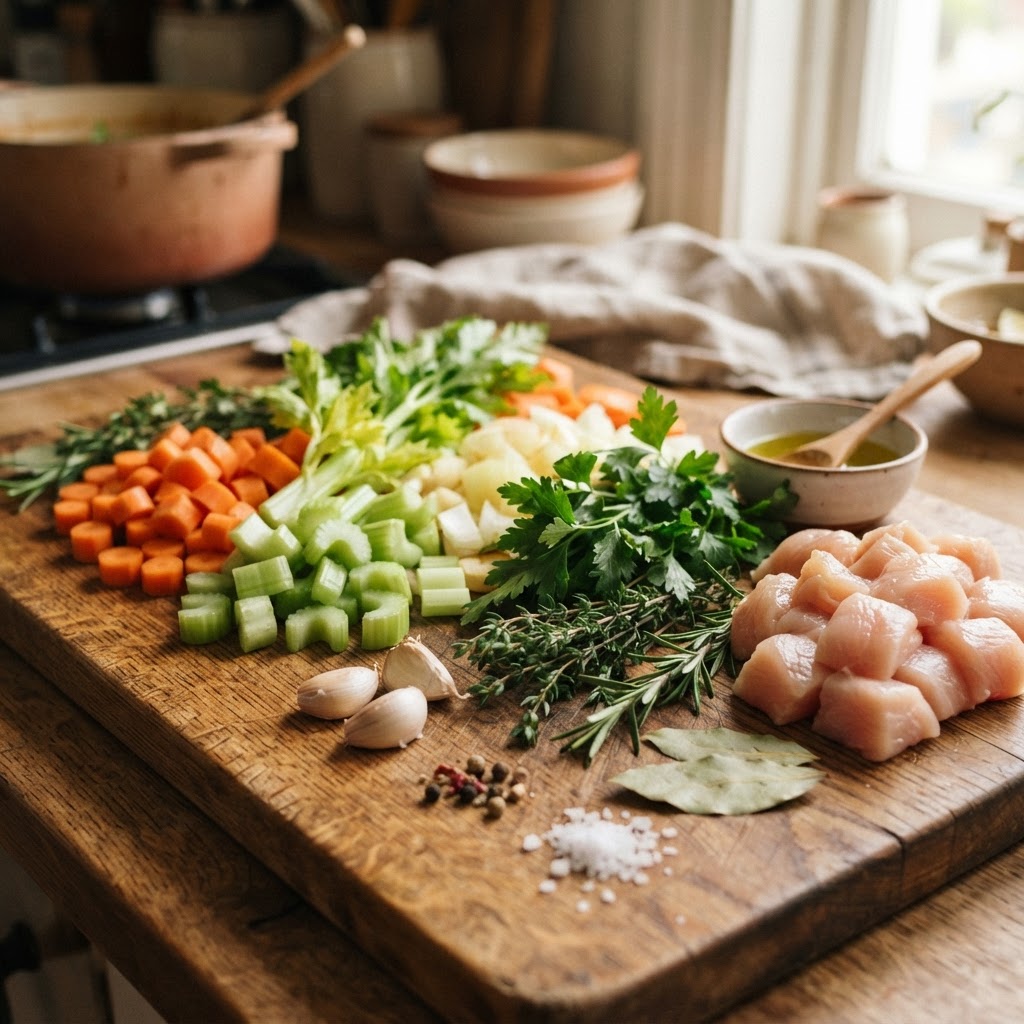
Building a great soup relies on a balance of aromatics, proteins, and a flavorful liquid base. To ensure success with your easy dump-and-go crockpot soup recipes, consider categorizing your ingredients into three groups: the foundation (onions, garlic, celery), the body (potatoes, carrots, chickpeas, chicken thighs), and the finish (fresh herbs, lemon juice, or cream). Avoid overcooking delicate greens by adding them only during the final thirty minutes of the cook time. Choosing the right cut of meat is also vital; opt for fattier cuts like chicken thighs or chuck roast, which remain tender despite the long exposure to heat. If you are using legumes, ensure they are thoroughly rinsed before hitting the pot to improve digestion and texture.
Why Ingredient Order Matters
While the concept is “dump-and-go,” placing heartier vegetables at the bottom of the slow cooker—closer to the heating element—ensures they cook through properly. Meanwhile, softer items like zucchini or corn should remain near the top to prevent them from becoming mushy. This strategic layering is a professional technique that differentiates amateur results from high-quality home cooking.
Comparing Slow Cooker Methods
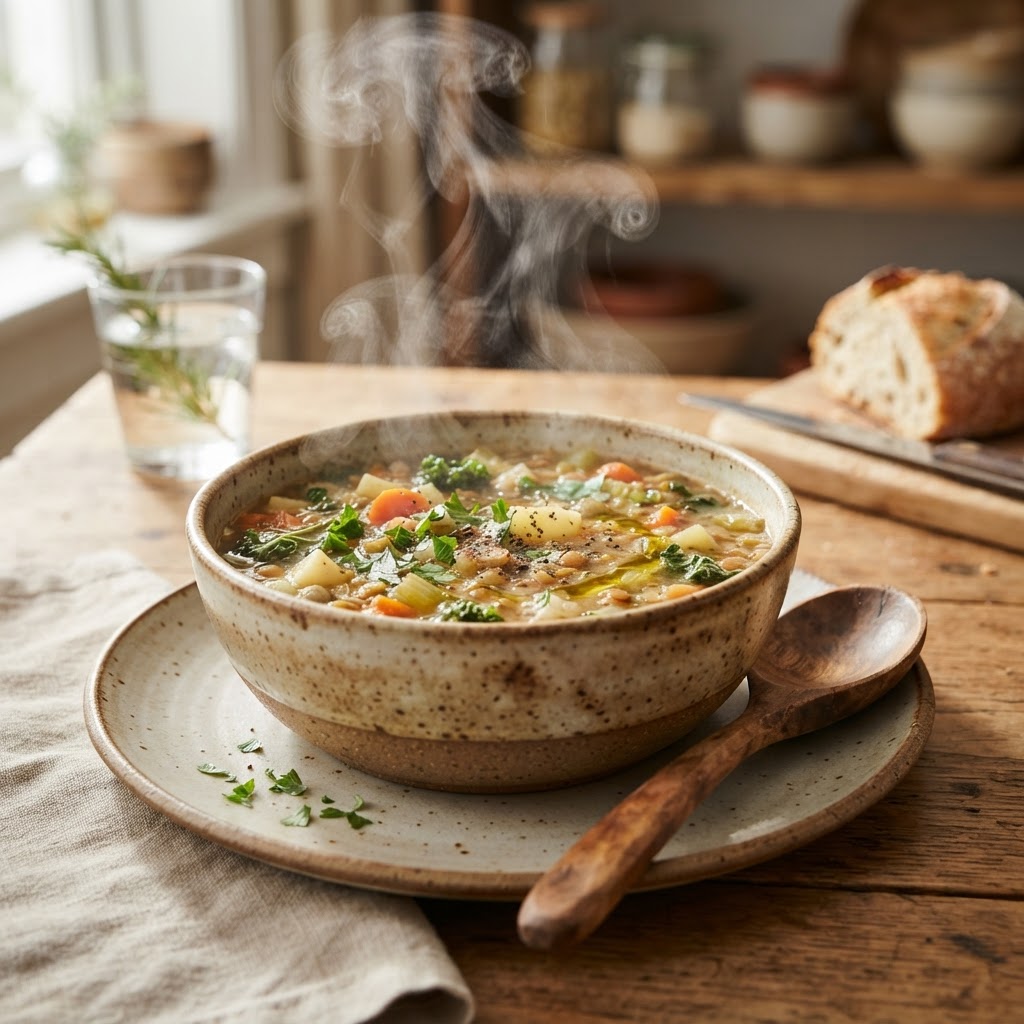
Understanding how different ingredients react to long-term heat is crucial for culinary success. The following table provides a quick reference for ingredient timing in your easy dump-and-go crockpot soup recipes:
Maximizing Flavor Without Extra Effort
Flavor intensity is often the biggest concern when discussing easy dump-and-go crockpot soup recipes, but there are simple ways to enhance the profile without extra prep. Searing your protein in a separate pan before adding it to the crockpot provides a caramelized crust that adds significant umami to the broth. Furthermore, don’t underestimate the power of finishing your soup with a bright acid. A splash of apple cider vinegar, fresh lemon juice, or even a dash of hot sauce right before serving can wake up the ingredients and provide a professional-level brightness that is often lacking in standard slow-cooked dishes. Stocking your pantry with high-quality bouillon bases or bone broths will also elevate the final product.
” src=”https://img.youtube.com/vi/XYFD9pzvhTo/hqdefault.jpg” style=”display:block; margin:2.5em auto; max-width:100%; height:auto;” />
Step-by-Step Recipe Instructions
Ingredients You’ll Need
- 2 lbs chicken breast, cut into 1-inch chunks
- 1 cup diced yellow onion
- 2 cups sliced carrots
- 2 stalks celery, chopped
- 3 cloves garlic, minced
- 6 cups low-sodium chicken broth
- 1 tsp dried thyme
- 1 tsp salt
- 1/2 tsp black pepper
- 1 cup dry egg noodles
Follow this clear, step-by-step guide to prepare this dish perfectly every time.
Adapting Recipes for Dietary Needs
Flexibility is one of the primary reasons many cooks love utilizing a slow cooker for their weekly meal prep. Most easy dump-and-go crockpot soup recipes can be adapted for vegan, keto, or gluten-free diets with minor adjustments. For example, replacing heavy cream with coconut milk or a cashew puree creates a rich, dairy-free texture. If you are following a low-carb lifestyle, simply swap out potatoes for cauliflower florets or radishes, which hold their shape surprisingly well in the crockpot. By experimenting with plant-based proteins such as tempeh or red lentils, you can also create high-protein, heart-healthy meals that cost a fraction of traditional meat-based soups.
Troubleshooting Common Issues
Even with easy dump-and-go crockpot soup recipes, issues such as blandness or thin consistency can occur. If your soup tastes a bit flat, double-check your salt usage; slow cookers often require slightly more seasoning because the lid traps moisture, effectively diluting the flavors. If your soup base is too thin, you can easily thicken it by smashing a few of the cooked beans or potatoes against the side of the pot. Alternatively, whisk a tablespoon of cornstarch into a small amount of cold liquid and stir it into the hot soup during the final hour of cooking. Never add raw flour, as it will not cook out properly and will create a chalky texture in your meal.
” src=”https://img.youtube.com/vi/cnnKhPuiftg/hqdefault.jpg” style=”display:block; margin:2.5em auto; max-width:100%; height:auto;” />
FAQ
Can I put raw meat directly into a slow cooker?
Yes, raw meat is perfectly safe to cook in a slow cooker as long as it reaches a safe internal temperature, though searing it first adds significant flavor.
How long do easy dump-and-go crockpot soup recipes stay fresh?
Most homemade soups will remain fresh and delicious in an airtight container in the refrigerator for up to four days or in the freezer for three months.
Should I use water or broth for my soup?
Using high-quality bone broth or vegetable stock is highly recommended as it provides an instant base of flavor that plain water simply cannot match.
Is it okay to leave the slow cooker on while I am at work?
Yes, the design of a slow cooker is intended for unattended cooking, provided you have chosen a recipe that matches the cook time to your schedule.
Conclusion
Mastering easy dump-and-go crockpot soup recipes transforms your dinner routine from a chore into a reliable, stress-free experience. By focusing on high-quality ingredients, understanding the order of operations for layering, and utilizing simple finishing techniques like acid or fresh herbs, you can ensure that every meal you serve is both nutritious and deeply satisfying. Whether you are aiming to save time on busy weeknights or simply want to expand your repertoire of comfort food, these set-and-forget strategies are your key to success in the modern kitchen.