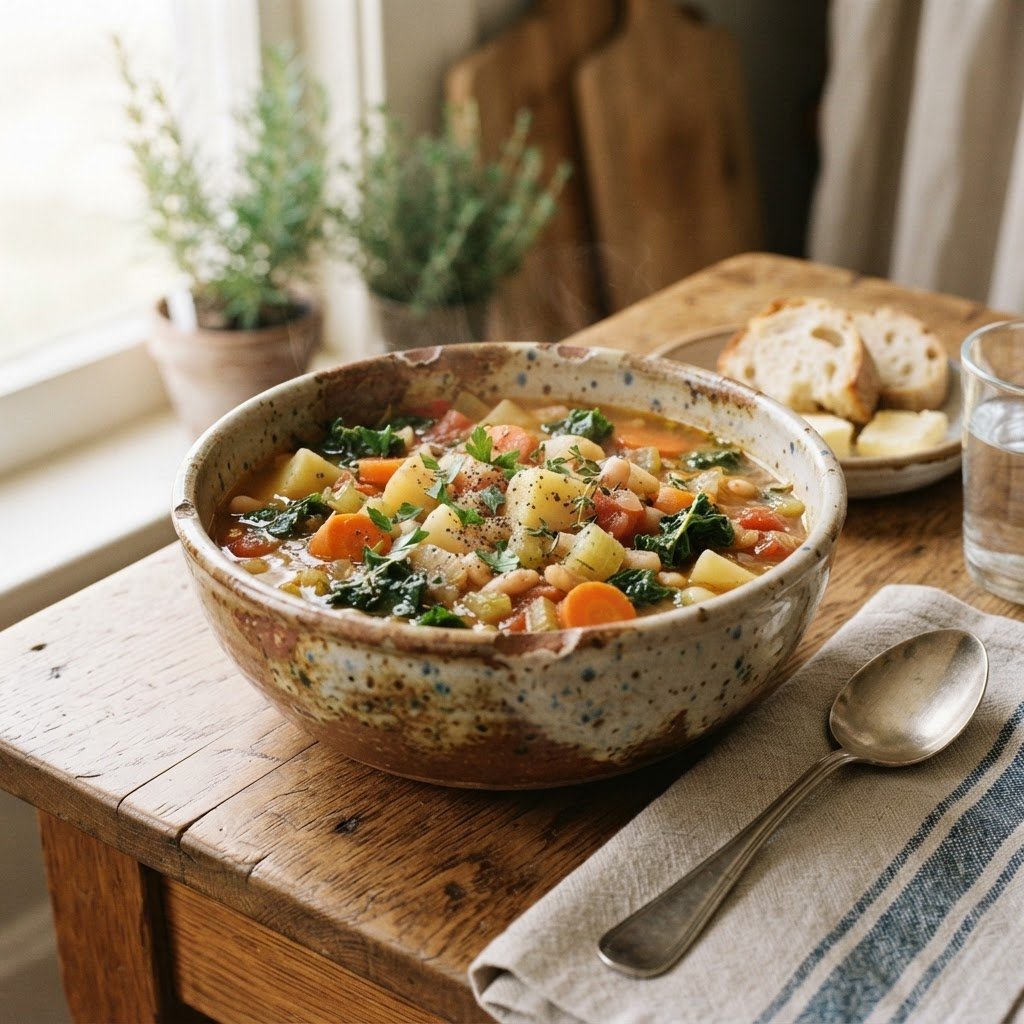
Slow Cooker Soup: The Best Vegetable Recipe Ever
The best slow cooker vegetable soup is achieved by sautéing aromatics like onions and garlic for 5 minutes before simmering with hearty root vegetables, vegetable broth, and dried herbs on low for 6 to 8 hours. This method ensures maximum nutrient retention and a deep, complex flavor profile that simple boiling cannot replicate.
Why Slow Cooker Soup is a Kitchen Essential
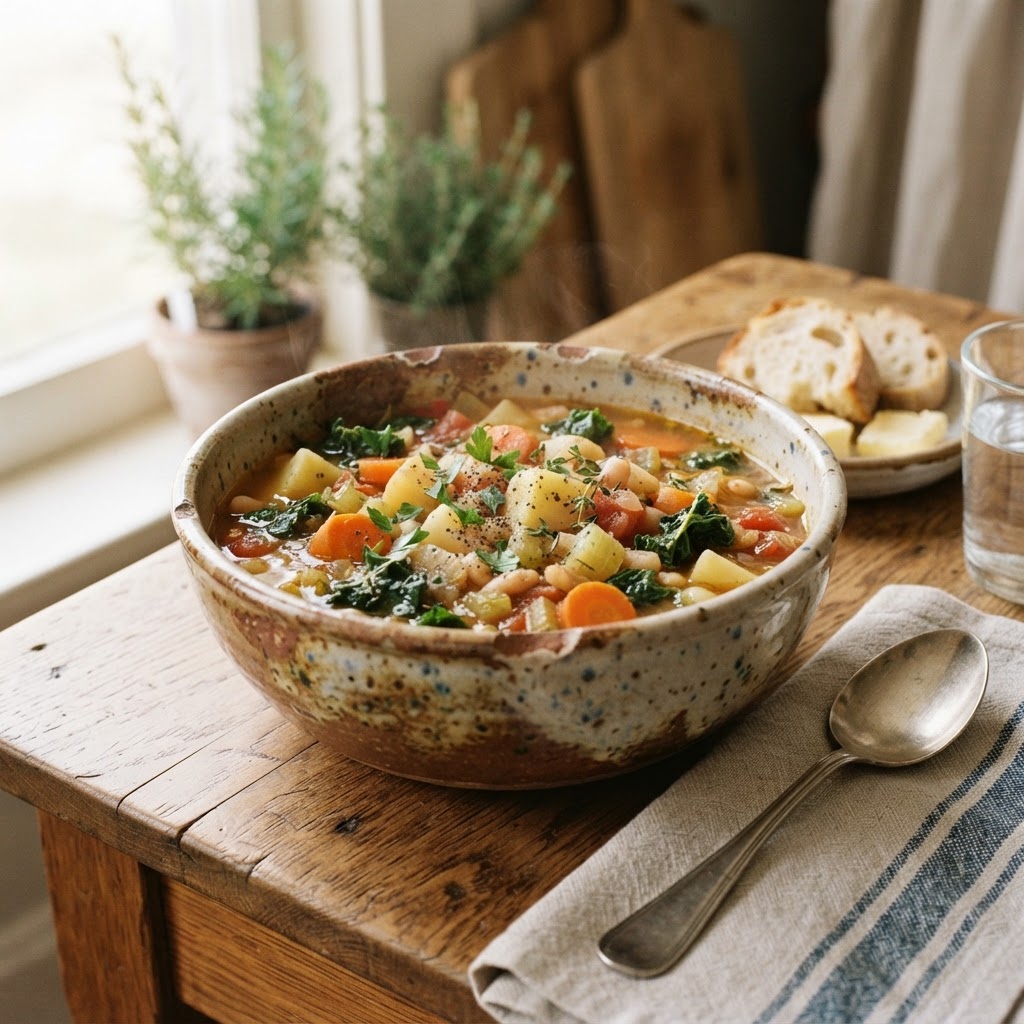
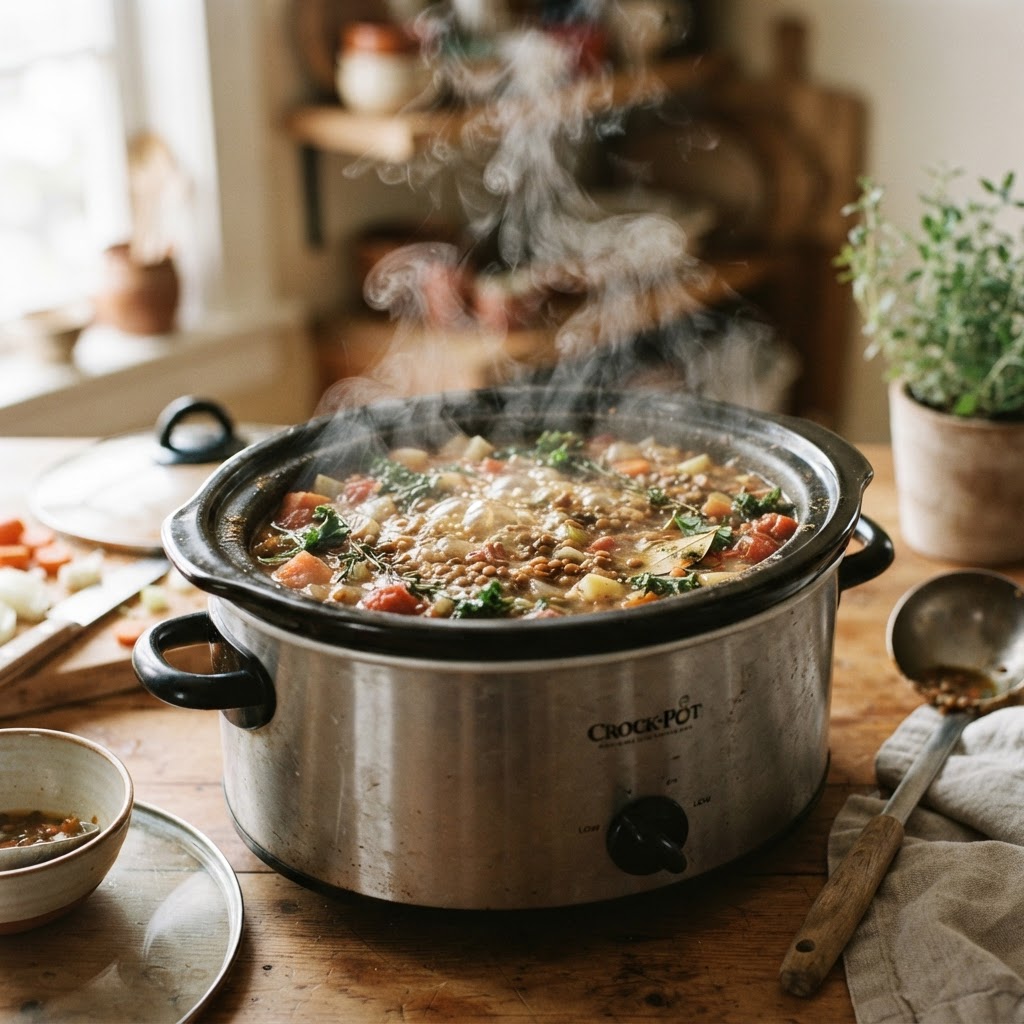
Choosing a slow cooker soup for your dinner ensures that you get maximum nutrition with minimum hands-on preparation time. The low and slow cooking method allows flavors to meld together perfectly, transforming simple pantry staples into a gourmet experience that serves as the perfect comfort food dinner ideas for busy weeknights. When ingredients are simmered at a steady 190°F to 200°F (the typical internal temperature for the “Low” setting), cell walls break down at a controlled rate, releasing complex sugars and umami compounds. This process preserves the structural integrity of hearty vegetables like carrots and potatoes while ensuring the broth becomes infused with deep, savory notes. By utilizing this appliance, you reduce active kitchen time by approximately 75% compared to stove-top simmering. Beyond convenience, the sealed environment of a slow cooker prevents moisture evaporation, meaning you lose fewer volatile aromatics to the air, resulting in a significantly more flavorful final product. For families seeking healthy, consistent results, this remains the most reliable culinary technique for achieving restaurant-quality vegetable soup without constant monitoring.
The Benefits of Slow Cooking
Slow cooking is one of the most effective ways to prepare healthy, nutrient-dense meals without standing over a hot stove for hours. When you make a slow cooker soup, the ingredients break down slowly, ensuring that your vegetable soup slow cooker recipes remain rich in texture and flavor while providing you with high-quality nutrients. Whether you are looking for crockpot soups for fall or quick soup recipes healthy options, the versatility of the appliance is unmatched. Studies suggest that cooking vegetables at lower temperatures over longer durations can better preserve heat-sensitive phytonutrients and antioxidants compared to high-heat pressure cooking. Furthermore, the slow cooker acts as a “set and forget” tool that standardizes the cooking environment, virtually eliminating the risk of scorching the bottom of the pot—a common issue with heavy-bottomed Dutch ovens on induction or gas ranges. By integrating these meals into your routine, you can easily meet the USDA recommendation of 2–3 cups of vegetables per day, as the soup form makes it palatable for all ages, including picky eaters who may otherwise avoid fibrous greens or roots.
Step-by-Step Recipe Instructions
Ingredients You’ll Need
- 2 tablespoons olive oil
- 1 large yellow onion, diced
- 3 cloves garlic, minced
- 4 large carrots, peeled and sliced
- 3 stalks celery, chopped
- 2 cups green beans, trimmed and cut into 1-inch pieces
- 28 ounces canned diced tomatoes
- 6 cups vegetable broth
- 1 teaspoon dried oregano
- 1 teaspoon salt
- 0.5 teaspoon black pepper
Follow this clear, step-by-step guide to prepare this dish perfectly every time.
Mastering the Art of Vegetable Soup Slow Cooker Recipes
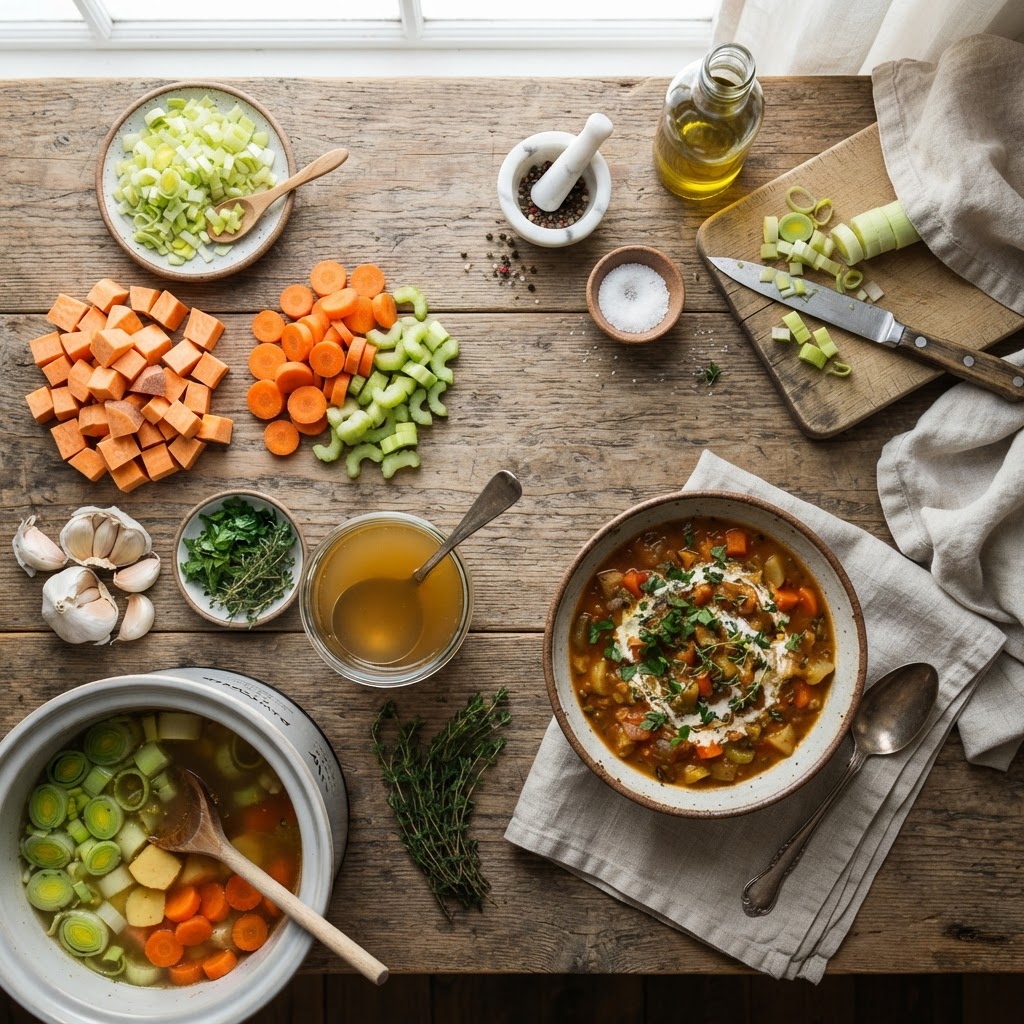
Crafting the perfect vegetable soup slow cooker recipe involves selecting the right balance of root vegetables, aromatics, and liquids. Start by chopping carrots, celery, and onions, then adding potatoes and lentils to create a hearty vegetable soup that satisfies even the hungriest family members. It is truly one of the best slow cooker soup recipes for those who appreciate homemade recipes that are both simple and sophisticated. To elevate your technique, prioritize the “layering” method: always place hard root vegetables like potatoes and carrots at the bottom of the basin where the heat is most intense, followed by softer vegetables and herbs near the top. This simple physical arrangement optimizes the cooking time for each component. Furthermore, incorporating at least one starch-heavy vegetable, such as Yukon Gold potatoes or parsnips, naturally thickens your soup without requiring additional additives like flour. By balancing your aromatic base (onions/garlic) with a 3:1 vegetable-to-liquid ratio, you ensure that the soup has a robust body rather than a watery consistency, resulting in a meal that feels truly substantial and home-cooked.
Essential Ingredients for Success
To ensure your soup is the best slow cooker soup you have ever made, focus on high-quality broth and fresh herbs. You can easily adapt these vegetable soup slow cooker recipes to include whatever is in your fridge, making them some of the most versatile soup recipes crockpot enthusiasts love. Using a combination of leeks, sweet potatoes, and tomatoes provides a complex flavor profile that keeps the dish exciting every single time you cook it. We recommend using a low-sodium vegetable base to control the salt content, as the liquid reduces slightly during long cook times. If you have extra time, adding a rind of Parmesan cheese during the final hour of cooking provides an incredible umami boost that mimics meat-based broths. Below is a quick comparison of soup textures based on common starch additions:
Exploring Diverse Slow Cooker Soup Variations
Expanding your repertoire beyond a basic vegetable base allows you to enjoy various global flavors and textures throughout the changing seasons. From a classic ham and bean soup to a sophisticated Thai-inspired coconut dish, there is no shortage of ways to utilize your crockpot for comfort food. Global culinary traditions often provide the best inspiration for slow cooking; for instance, adding a tablespoon of miso paste or a splash of soy sauce creates a savory depth found in Japanese dashi-based soups, while coconut milk provides the creamy base for Southeast Asian curries. When experimenting with these variations, consider the impact of acidity—adding a splash of lemon juice or apple cider vinegar just before serving can brighten the flavor profile and cut through the richness of heavier starchy ingredients. By varying your herb profiles—such as switching from Italian oregano to Mexican cilantro or Thai basil—you can transform the same basic vegetable, broth, and pulse foundation into an entirely different culinary experience, ensuring that your weekly rotation never feels repetitive or mundane.
Global Inspiration in Your Crockpot
If you crave something different, try a crockpot lentil soup slow cooker style, which is incredibly high in plant-based protein. For those interested in Mediterranean diets, a Mediterranean crockpot soup using chickpeas, kale, and tomatoes is a fantastic way to eat healthy. Whether you prefer a creamy potato soup recipe or a hearty cabbage roll soup crockpot easy recipe, your kitchen will soon smell divine. These global inspirations allow you to utilize pantry staples like canned beans and grains (quinoa, farro) effectively. For a Mediterranean profile, focus on dried rosemary and high-quality olive oil, whereas for a Thai profile, use ginger, garlic, and lemongrass. Keeping a “pantry spice kit” with these specific global profiles saves time and encourages creativity. Most global recipes can be scaled easily; standard 6-quart slow cookers can accommodate ingredients for up to 8–10 servings, making them ideal for weekly meal prep. By batch-cooking these diverse flavors, you can maintain a high-protein, plant-forward diet while keeping your budget low, typically costing less than $2.00 per serving when utilizing seasonal produce and dried legumes.
Seasonal Soups for Every Time of Year
Adapting your menu to the calendar helps you maximize seasonal produce and keep your dining experience fresh. Fall soup ideas often feature squash and root vegetables, while winter hearty soup recipes focus on heavy beans and meats. By keeping a list of your favorite soup slow cooker recipes, you can prepare for autumn dinners and cold day dinner recipes with ease. The secret to seasonal success lies in understanding the harvest cycle; during the summer, use your slow cooker for lighter, tomato-forward gazpacho-style soups or vegetable minestrones, while during the winter, leverage the heartiness of squash, sweet potatoes, and dried beans. Investing in seasonal ingredients often results in better flavor and lower costs, as supply-chain demand is optimized. For instance, butternut squash is at its peak flavor and lowest price point from September through November, making it the ideal time to stock your freezer with pre-portioned containers of soup base. By aligning your crockpot schedule with seasonal shifts, you maintain interest in your cooking throughout the year, ensuring that every meal feels appropriate for the weather and maximizes the nutritional density of fresh, locally available crops.
Planning for Fall and Winter
Fall crockpot meals provide that necessary warmth when the temperature drops, making them a staple in many households. Try incorporating fall food recipes like butternut squash soup slow cooker style or even a hearty beef vegetable soup crockpot easy recipe. These dishes are perfect for fall lunch or simply as cozy comfort food to enjoy on a chilly evening. To optimize your planning, dedicate one “Crockpot Sunday” to preparing a large batch of base soup. Use this base as a canvas for the week—you can add fresh greens like kale or spinach during the final 30 minutes of heating, or stir in protein sources like pre-cooked chickpeas or shredded chicken right before service. Keeping a digital inventory or a simple notebook of your seasonal experiments helps you recreate your favorites without having to rely on trial and error. The goal is to spend less than 15 minutes of hands-on time per meal, allowing the slow cooker to handle the labor of love. As temperatures fluctuate, you can adjust the liquid content—thicker, heartier soups for January, and lighter, broth-based options for the transition into spring.
Troubleshooting Common Slow Cooker Issues
Even with the best recipes, you might occasionally face challenges like overcooked vegetables or a bland broth. To keep your easy crockpot soup flavorful, avoid adding delicate herbs until the very end and ensure your ratio of liquid to solids remains consistent. Always remember that slow cooker recipes soup require patience, and the results are always worth the wait. One of the most common mistakes is “lifting the lid” too frequently, which releases heat and steam, requiring an additional 15–20 minutes of cooking time per check. Stick to the scheduled time as much as possible. If you find your soup is bland, it is often due to insufficient seasoning during the prep stage or not using a high-quality broth as your foundation. If you must use water, be prepared to compensate with additional salt, acid, or umami-rich ingredients like tomato paste or soy sauce. Remember that flavors tend to mellow during the long cooking process, so taste your soup 30 minutes before serving and adjust with a final pinch of salt or a splash of fresh lemon juice to bring the dish to life.
Tips for the Perfect Consistency
If your soup turns out too thin, try mashing a few of the cooked potatoes or beans directly in the pot to thicken the liquid naturally. This method works well for thick potato soup crockpot recipes and various lentil recipes soup crockpot styles. Alternatively, you can use a slurry of cornstarch and water to achieve that perfect velvety finish. A ratio of one tablespoon of cornstarch to two tablespoons of cold water, stirred into the pot during the last 20 minutes of cooking, will provide a glossy, professional texture without altering the flavor. Conversely, if your soup is too thick, simply add one half-cup of warm broth or water at a time until you reach your desired consistency. Be cautious not to over-blend if you prefer a chunky soup; an immersion blender should only be used for a few pulses to maintain the integrity of the vegetables. These minor adjustments ensure that every batch, regardless of the recipe, reaches the perfect viscosity and mouthfeel that guests and family members will enjoy every single time.
FAQ
Can I put raw meat in a slow cooker soup?
Yes, you can safely cook raw meat in a slow cooker, provided the appliance reaches a high enough temperature. For the best flavor, sear your meat in a hot pan for 3–5 minutes until browned before adding it to the slow cooker to develop deeper savory flavors.
How long should I cook a vegetable soup in a slow cooker?
Most vegetable-heavy soups take between 4 to 6 hours on high or 7 to 9 hours on low for peak flavor. This duration allows fibers to soften while ensuring the vegetable broth develops a full, rich body without breaking down into mush.
Should I add water or broth to my crockpot soup?
Always use a high-quality vegetable or chicken broth instead of water to significantly increase the depth and nutrition of your soup. Broth provides essential minerals and savory notes that act as the foundation for a professional, restaurant-style flavor profile in every bowl.
Can I freeze slow cooker soup leftovers?
Yes, most soups freeze exceptionally well for up to three months when stored in airtight containers. Ensure you leave an inch of space at the top of the container to allow for expansion and cool the soup to room temperature before placing it in the freezer.
What is the best way to thicken thin soup in a slow cooker?
Use a cornstarch slurry by mixing one tablespoon of cornstarch with two tablespoons of cold water before stirring it into the pot. Alternatively, you can mash a small portion of the cooked potatoes or beans directly in the liquid to achieve a natural, creamy thickness.