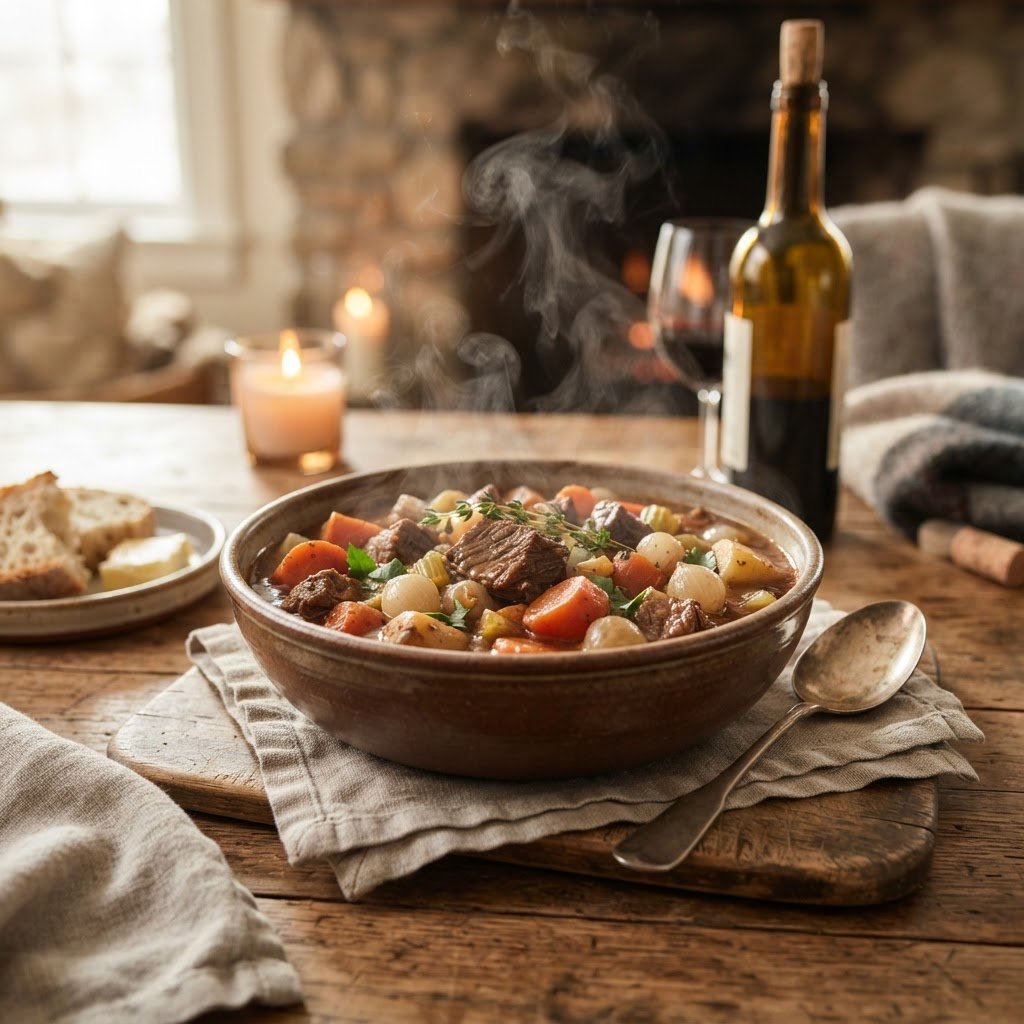
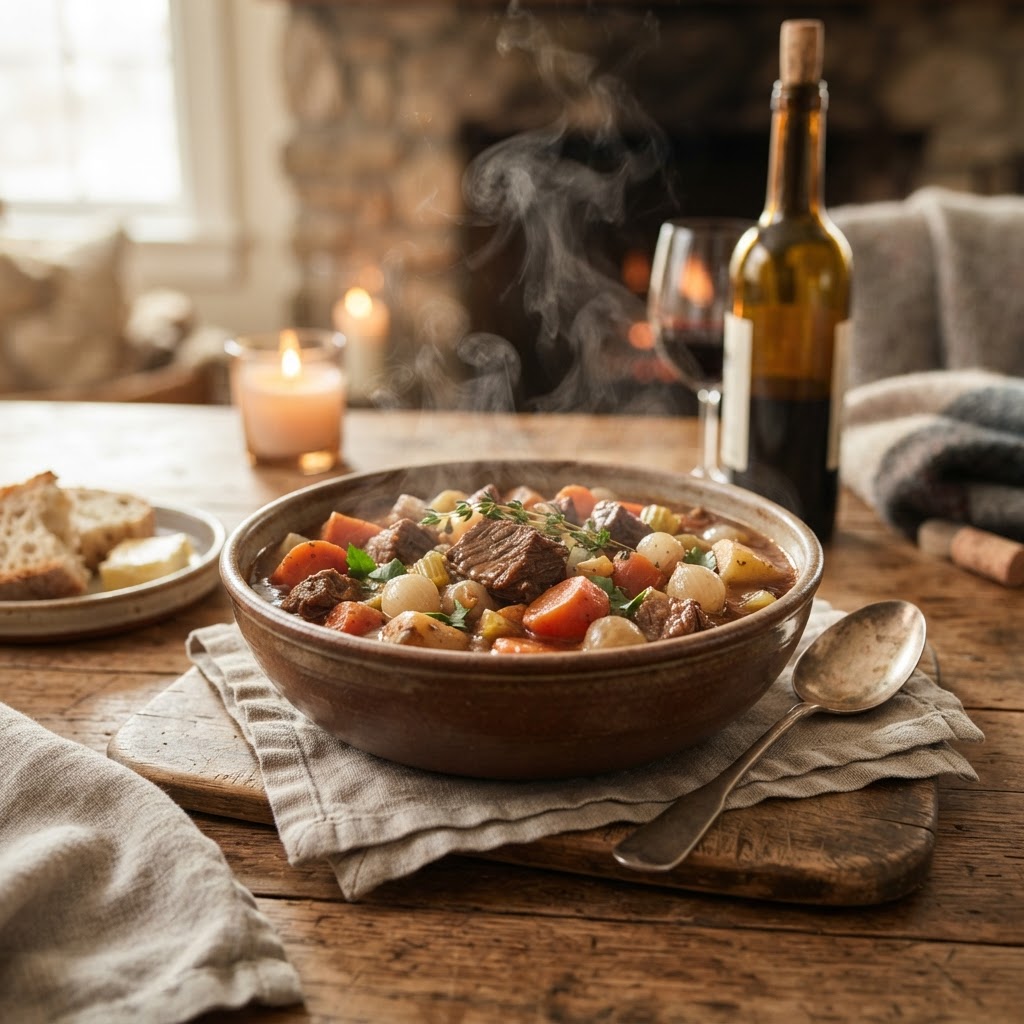
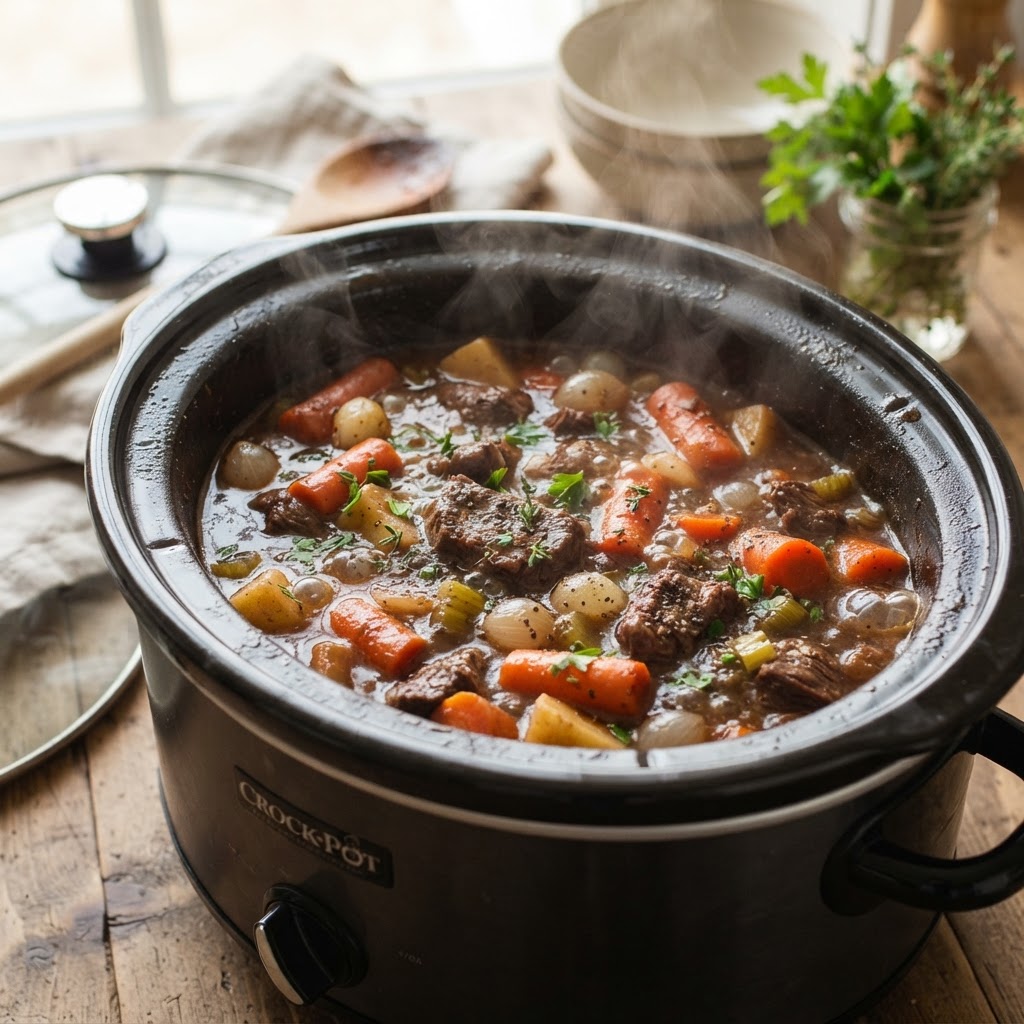
A family-favorite crockpot beef stew recipe provides the ultimate comfort meal by combining tender chunks of chuck roast, hearty root vegetables, and a savory herb-infused broth. By slow-cooking the ingredients for eight hours on low heat, you ensure the meat reaches a melt-in-your-mouth texture while the flavors meld perfectly, making this an ideal hands-off dinner solution for busy families. This guide explains how to master this classic dish, ensuring success whether you are a beginner or an experienced home cook.
## The Secret to Tender Beef Stew Meat Achieving the perfect consistency requires starting with the right cut of beef, specifically chuck roast, which contains enough marbling to break down during long, slow cooking. Many home cooks make the mistake of using lean stew meat, which often results in a dry or stringy texture that ruins the overall experience. Instead, purchase a high-quality chuck roast and cut it into uniform one-inch cubes to ensure even cooking throughout the process. Furthermore, searing the meat in a hot pan before adding it to the crockpot develops a deep, caramelized flavor profile that cannot be achieved by simply throwing raw meat into the vessel. This browning step is essential for depth and richness. By patting the meat dry and seasoning it well with kosher salt and black pepper before searing, you create a crust that locks in juices and adds complexity to the final sauce. ### Choosing Your Vegetables The vegetable selection serves as the backbone of any hearty stew, providing essential vitamins and a natural sweetness that balances the savory beef notes. When building your recipe, prioritize root vegetables like golden potatoes and carrots because they maintain their structural integrity during the long cooking time. Avoid over-cutting these vegetables, as smaller pieces tend to turn into mush after eight hours of heat. Instead, cut them into substantial chunks, about one to two inches in size, which allows them to soften just enough to be tender without losing their shape. Adding fresh aromatics like celery, onions, and minced garlic at the beginning of the cook time creates a fragrant base that permeates the entire dish, setting the stage for a professional-level culinary result. ## Mastering the Savory Broth Foundation A truly legendary stew relies on a robust liquid base that glazes the ingredients without becoming too thin or watery. Start by deglazing your searing pan with a dry red wine or high-quality beef stock to capture the fond—the flavorful brown bits left behind on the pan surface. This liquid, when combined with tomato paste, Worcestershire sauce, and fresh thyme, creates a complex, umami-rich gravy.
Step-by-Step Recipe Instructions
Ingredients You’ll Need
- 2 lbs beef chuck roast, cut into 1-inch cubes
- 3 tbsp all-purpose flour
- 1 tsp salt
- 1/2 tsp black pepper
- 2 tbsp olive oil
- 2 cups beef broth
- 1 lb potatoes, peeled and cut into chunks
- 3 large carrots, sliced into rounds
- 1 large onion, chopped
- 2 cloves garlic, minced
- 1 tsp dried thyme
Follow this clear, step-by-step guide to prepare this dish perfectly every time.
To ensure your stew achieves the perfect consistency, consider adding a light dusting of flour to the beef before searing; this helps thicken the liquid naturally as the stew cooks. If you find the liquid is too thin toward the end, simply remove a half cup of the broth, whisk in a tablespoon of cornstarch, and stir it back into the pot. This small adjustment can transform a standard soup into a thick, velvety stew that coats the back of a spoon and satisfies even the hungriest family members at the dinner table. ## Comparing Different Stew Thickening Agents Many home cooks struggle with achieving the right thickness, so understanding how different agents react is vital for success. While flour and cornstarch are the most common choices, there are nuanced differences in how they affect the finished appearance and texture of your meal. Use the following guide to help you decide which agent best suits your preferred style of stew preparation. | Thickening Agent | Best For | Resulting Texture | | :— | :— | :— | | All-Purpose Flour | Seared Meat | Thick, matte-finish gravy | | Cornstarch | Final Adjustments | Glossy, translucent sauce | | Arrowroot Powder | Dietary Restrictions | Smooth, clear, and stable | | Mashed Potato | Rustic Style | Hearty, cloudy, and rustic | Experimenting with these methods will allow you to tailor your family-favorite crockpot beef stew recipe to your specific dietary preferences and aesthetic desires. ## Common Mistakes to Avoid When Slow Cooking While slow cookers are designed to be “set and forget” appliances, there are still specific pitfalls that can result in a lackluster dinner. One frequent error is lifting the lid too often during the cooking process; every time the lid is removed, the appliance loses significant heat and adds twenty minutes to the cooking time. Keep the lid secured and trust the process. Another mistake is adding delicate ingredients, such as peas or fresh parsley, at the beginning of the cycle. These items will lose their vibrant color and texture if cooked for eight hours, so always fold them in during the final thirty minutes of cooking. Finally, be mindful of salt levels; broth concentrates as it evaporates, so under-seasoning at the start is safer than over-salting, as you can always adjust the flavor profile right before serving the dish.
## FAQ ### How long should I cook beef stew on low? You should cook your beef stew for approximately eight hours on low heat for the most tender results. This duration allows the collagen in the chuck roast to break down fully, resulting in a soft, buttery texture that defines a classic beef stew. ### Can I prepare this meal ahead of time? Yes, you can prep the ingredients the night before by chopping all vegetables and searing the meat, storing them in the refrigerator, and then simply tossing everything into the crockpot the next morning. ### Why is my beef tough after eight hours? If the beef remains tough, it usually means you used a cut that is too lean, such as round or sirloin, or you did not cook it long enough for the collagen to dissolve. Ensure you select chuck roast for the best results. ### Should I add water to the crockpot? Avoid using water as your primary liquid, as it lacks flavor; always opt for high-quality beef bone broth or stock to ensure the depth of flavor required for a hearty, family-favorite meal. ## Conclusion Mastering this family-favorite crockpot beef stew recipe is a rewarding endeavor that brings warmth and satisfaction to any dinner table. By selecting the right cuts of meat, properly searing your ingredients, and carefully managing the thickening process, you ensure a consistent and delicious outcome every time. Remember to avoid common pitfalls like over-lifting the lid and choosing the wrong vegetables, and you will undoubtedly produce a meal that becomes a recurring request in your household. Embrace these techniques, enjoy the process, and take pride in serving a homemade, nutritious, and hearty meal that your entire family will absolutely love for years to come.