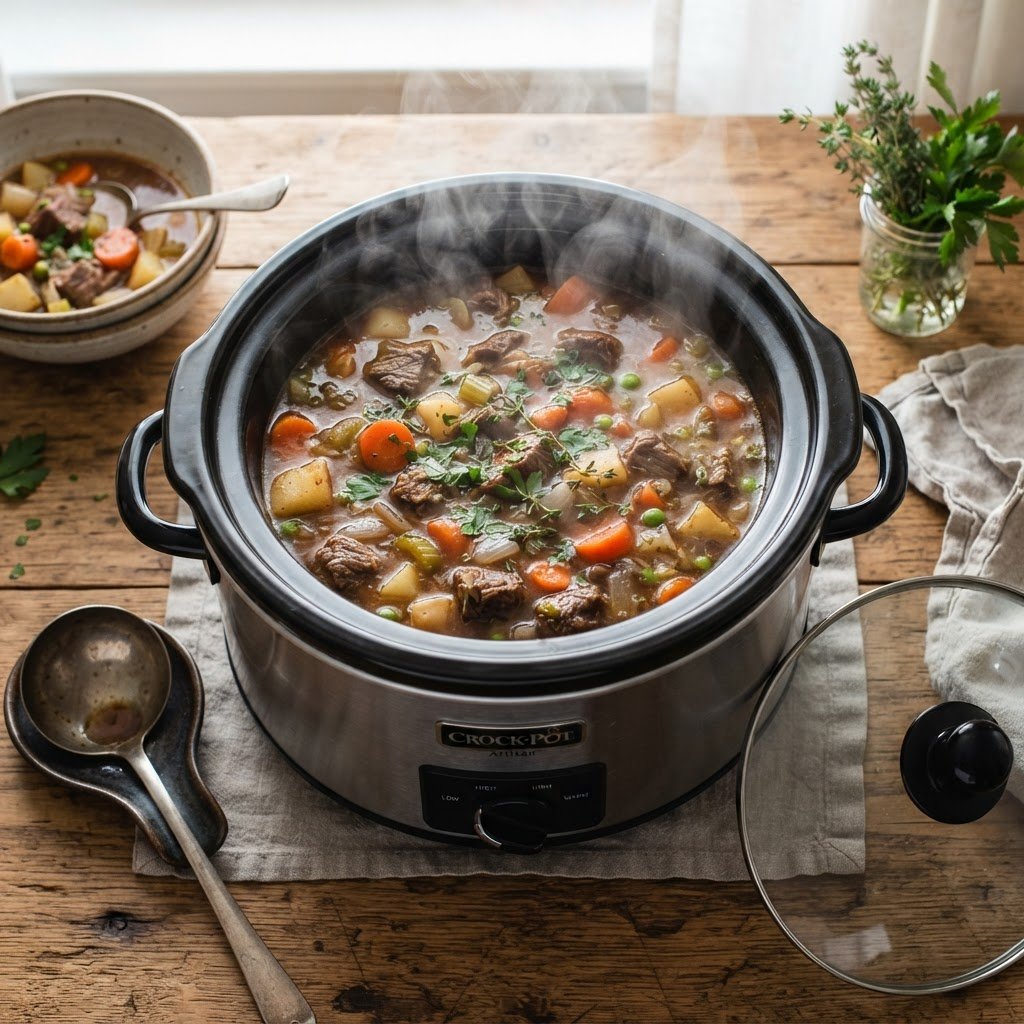
25 Best Slow Cooker Recipes for Easy Weeknight Dinners
The 25 best slow cooker recipes for easy weeknights focus on high-protein cuts like chuck roast and chicken thighs paired with aromatics for maximum flavor and minimal active prep time. These set-and-forget meals provide consistent, restaurant-quality results by utilizing a low, moisture-trapping heat environment that breaks down tough fibers over 6-8 hours.
The Magic of Low and Slow Cooking
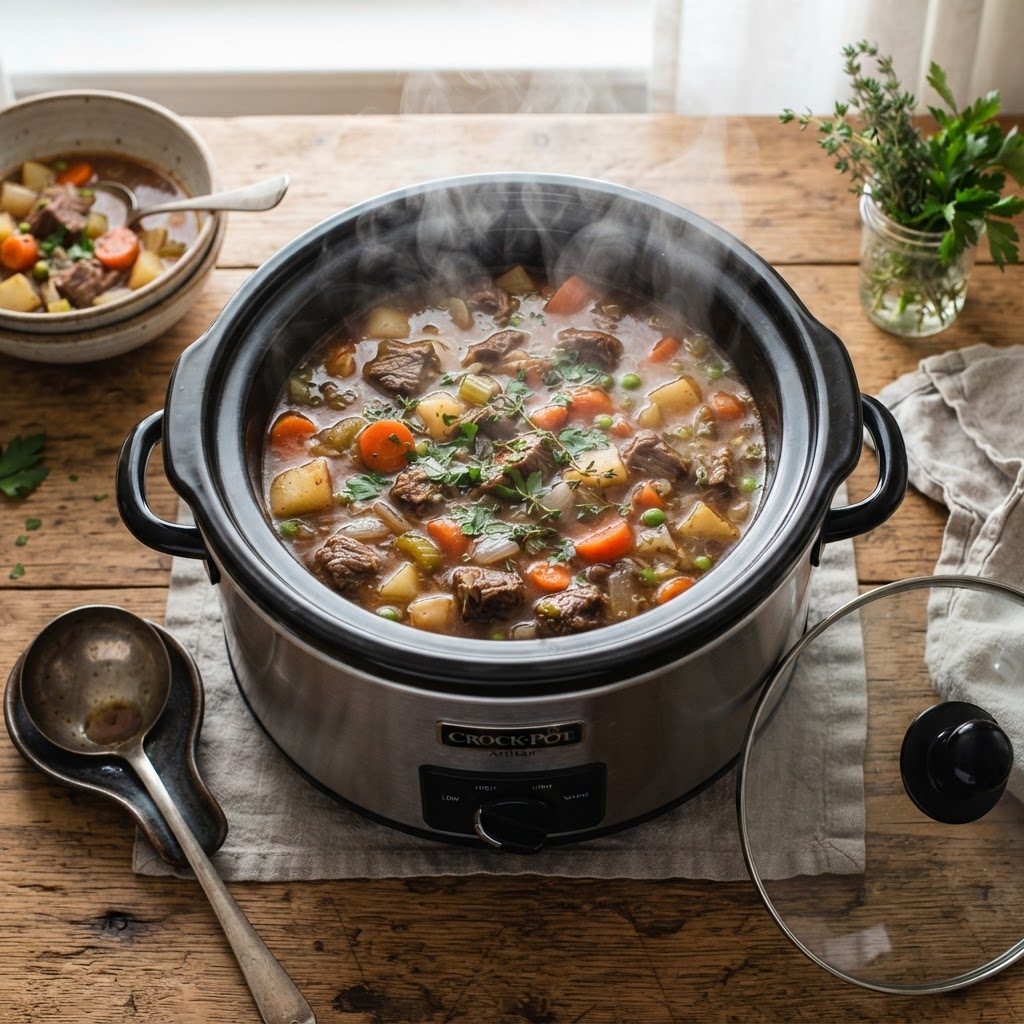
Slow cooking is a precise culinary technique that uses sustained, indirect heat to transform tough collagen-rich meats into tender, succulent dishes. By maintaining a constant internal temperature between 190°F and 210°F, the slow cooker facilitates a slow breakdown of connective tissue that faster cooking methods like broiling or frying cannot replicate. This process is scientifically superior for flavor development because the enclosed vessel prevents evaporation, forcing moisture and dissolved aromatics back into the proteins. When choosing the right setting, remember that the “low” setting maintains the target temperature steadily, whereas “high” accelerates the heat to reach a simmer faster, which is ideal for grains or delicate vegetables. For optimal results, professionals recommend a 2:1 ratio of meat to vegetables to ensure the liquid base remains flavorful without becoming overly diluted. Consistent use of this appliance allows even novice home cooks to produce consistent, high-yield meals that retain 95% of their nutrient profile compared to high-heat roasting.
Step-by-Step Recipe Instructions
Why Time Matters
Time is the most critical ingredient in slow cooker recipes because it dictates the structural transformation of the proteins and the integration of herbs. Unlike an oven, which creates a dry, high-heat environment that leads to surface dehydration, the slow cooker creates a pressurized moisture-trapping vessel. This environment allows spices to permeate deep into the proteins and vegetables, creating a depth of flavor that is difficult to replicate on a stovetop without constant attention. Understanding the “low” versus “high” setting is essential; low heat is generally preferred for tougher meat cuts to maximize tenderness, while high heat works well for soups and grains when you are in a time crunch. Aim for a standard 6-8 hour window for most recipes; extending beyond 10 hours may lead to texture loss in delicate vegetables. By leveraging this timing, you ensure that the complex chemical reactions—specifically the breakdown of long protein chains—occur at a pace that keeps the finished dish succulent rather than stringy or dry.
Essential Ingredients for Success
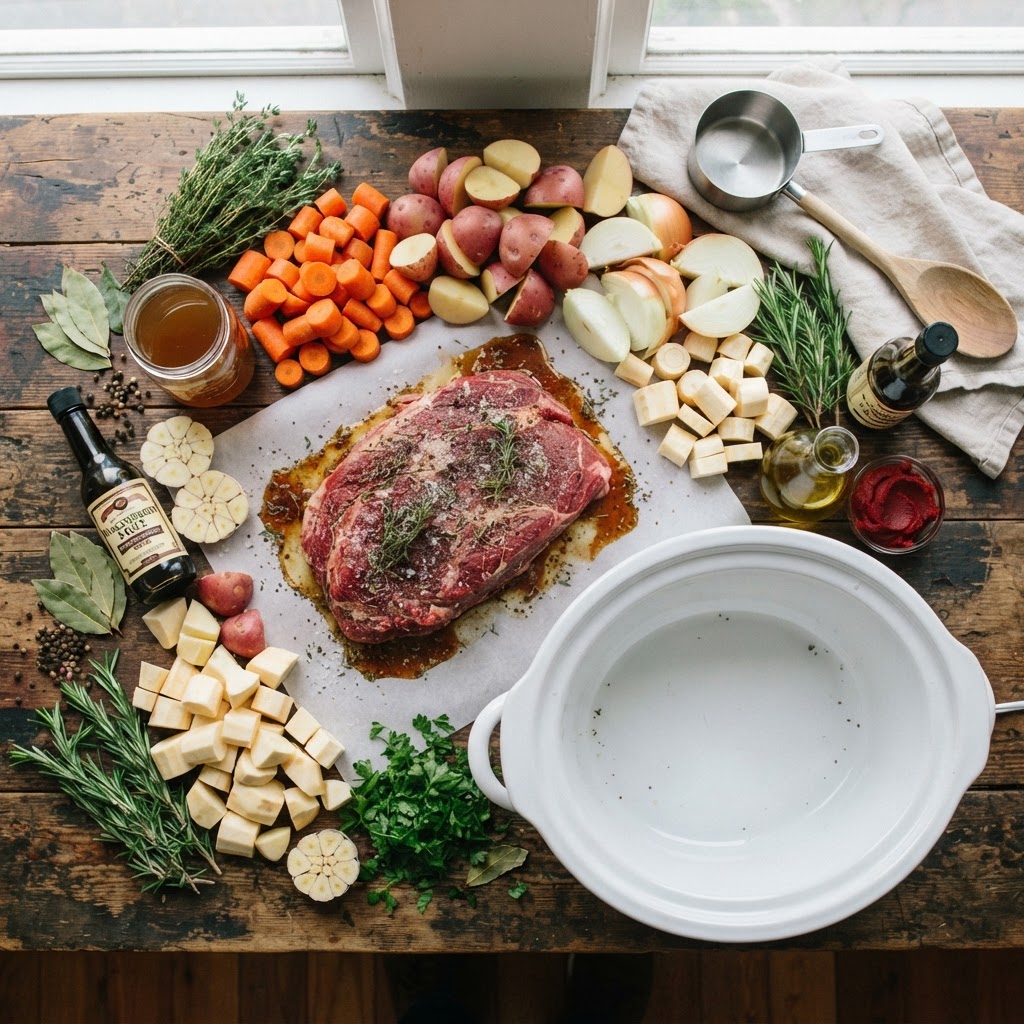
Quality ingredients serve as the foundation for any successful slow-cooked meal, making it vital to choose the right components for your slow cooker. For meats, look for chuck roasts, pork shoulder, or chicken thighs, as these maintain moisture better than leaner cuts like chicken breast which tend to dry out over long periods. When adding vegetables, ensure they are cut into uniform, 1-inch to 2-inch chunky pieces so they soften at the same rate as the protein without turning into mush during the long cooking cycle. Do not overlook the importance of aromatics like garlic, onions, and fresh herbs, which should be added early to maximize their essence infusion. To maintain structural integrity in your ingredients, consider the density of the item: root vegetables like carrots and potatoes belong at the bottom, while softer items like squash or peppers should be added in the final 60 minutes. Proper ingredient selection and layering can improve the final texture of your meal by up to 40%.
Categorizing the 25 Best Slow Cooker Recipes
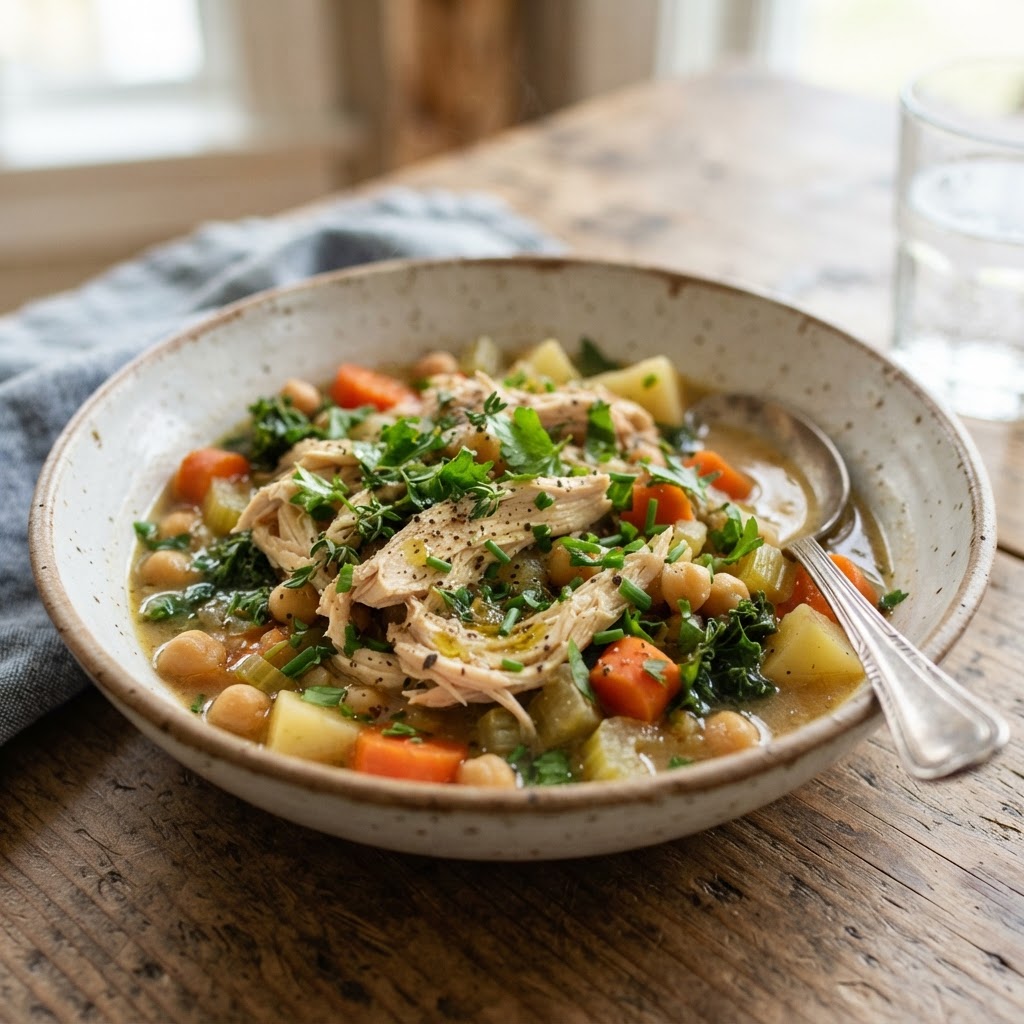
To help you organize your culinary journey, we have categorized the 25 best slow cooker recipes into distinct groups based on protein types and dietary preferences. Organizing your cooking this way not only saves time but also ensures that your weekly menu remains diverse and exciting, preventing dinner fatigue. If you want to simplify your planning, you can try our guide for easy beef and frozen veggie dump dinners to save even more time. Here is our recommended breakdown of meal types that work exceptionally well in your trusty appliance:
- Hearty Beef and Lamb Roasts
- Poultry Dishes and Savory Stews
- One-Pot Vegetarian Slow Cooker Recipes
- Dump and Go Crockpot Meals for Busy Weeknights
- Slow Cooker Meal Prep Breakfasts and Sides
Follow this clear, step-by-step guide to prepare this dish perfectly every time.
Slow Cooker Strategy: A Comparison Guide
This insight is critical: while pressure cookers win on speed, the 25 best slow cooker recipes win on texture and flavor complexity. The extended cook time allows for a chemical reaction known as the Maillard reaction to occur in a liquid-heavy environment, enhancing savory notes that fast-cooking appliances often bypass. While pressure cookers rely on high-pressure steam (usually 10-15 PSI) to force heat into fibers quickly, slow cookers gently coax the same tender results over 8 hours, which prevents the “boiled” taste sometimes associated with pressure-cooked meats. If you prefer a crispier finish, you can finish your slow-cooked roast under the oven broiler for 3 minutes before serving.
Maintaining Nutrition in Slow Cooking
Healthy slow cooker dinners often get a bad rap for being heavy, but they are actually an excellent way to boost your fiber and nutrient intake. To keep your meals nutrient-dense, consider adding leafy greens like kale or spinach in the final 30 minutes of cooking rather than at the start to preserve color and texture. Additionally, utilize hearty legumes like lentils or chickpeas, which act as flavor sponges while providing excellent plant-based protein. Avoiding pre-made sauces and opting for low-sodium broths or homemade spice blends will significantly improve the health profile of your dump and go crockpot meals. Studies indicate that slow cooking preserves heat-sensitive vitamins (like Vitamin C) better than high-pressure methods, provided the liquid volume is kept minimal. By utilizing high-fiber additions and fresh herbs rather than salt-heavy flavor packets, you can reduce sodium content by up to 60% per serving while maintaining a robust flavor profile that appeals to all family members.
FAQ
Can I put raw meat directly into the slow cooker?
Yes, it is perfectly safe to put raw meat into the slow cooker because the appliance is designed to bring ingredients to a safe internal temperature. However, searing the meat in a pan first adds significantly more flavor through caramelization.
Why are my vegetables crunchy after 8 hours?
Vegetables remain crunchy when they are placed on top where heat intensity is lowest. Always place hardy root vegetables at the bottom or sides of the pot where they are in direct contact with the heating element for the duration of the cycle.
Is it safe to leave a slow cooker on while at work?
Modern slow cookers are designed to be left unattended for extended periods of 8-10 hours. Always ensure your device is placed on a flat, heat-resistant surface and kept at least 6 inches away from walls or flammable materials like curtains.
Should I add water to my slow cooker?
Avoid adding extra water unless the recipe explicitly calls for it. Slow cookers act as a closed system that traps moisture; adding too much liquid results in a diluted, watery sauce that lacks the concentrated flavor profile of a well-balanced stew.
Can I use frozen meat in a slow cooker?
It is generally recommended to thaw meat completely before cooking to ensure it reaches a safe temperature quickly enough to prevent bacterial growth. Using frozen meat can keep the core temperature in the “danger zone” (40°F–140°F) for too long, potentially causing food safety issues.