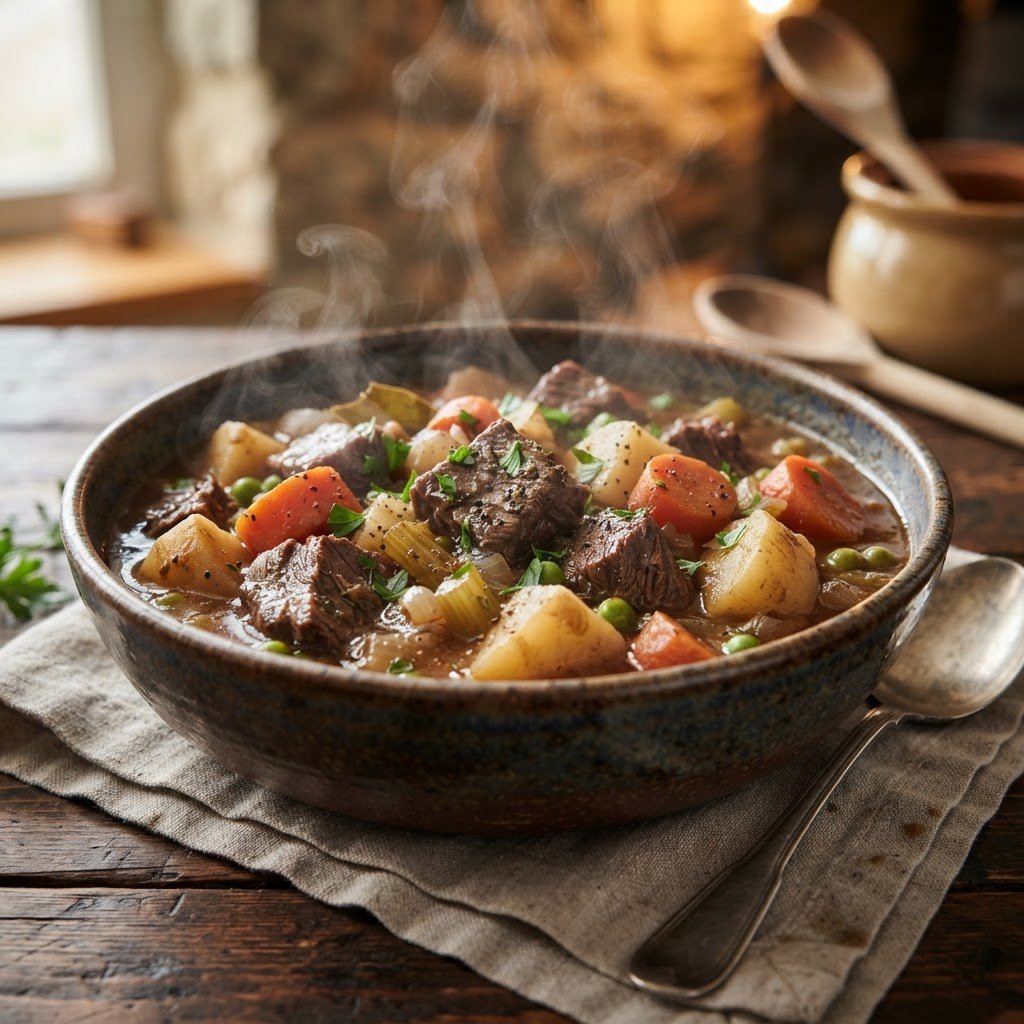
Making the perfect Old Fashioned Crockpot Beef Stew requires searing 2 lbs of flour-dusted chuck roast before slow-cooking on low for 8 hours with root vegetables and beef broth. This method creates the signature thick, velvety gravy and fall-apart tender beef texture that defines this classic, hearty comfort food dish.
The Secret to Authentic Beef Stew
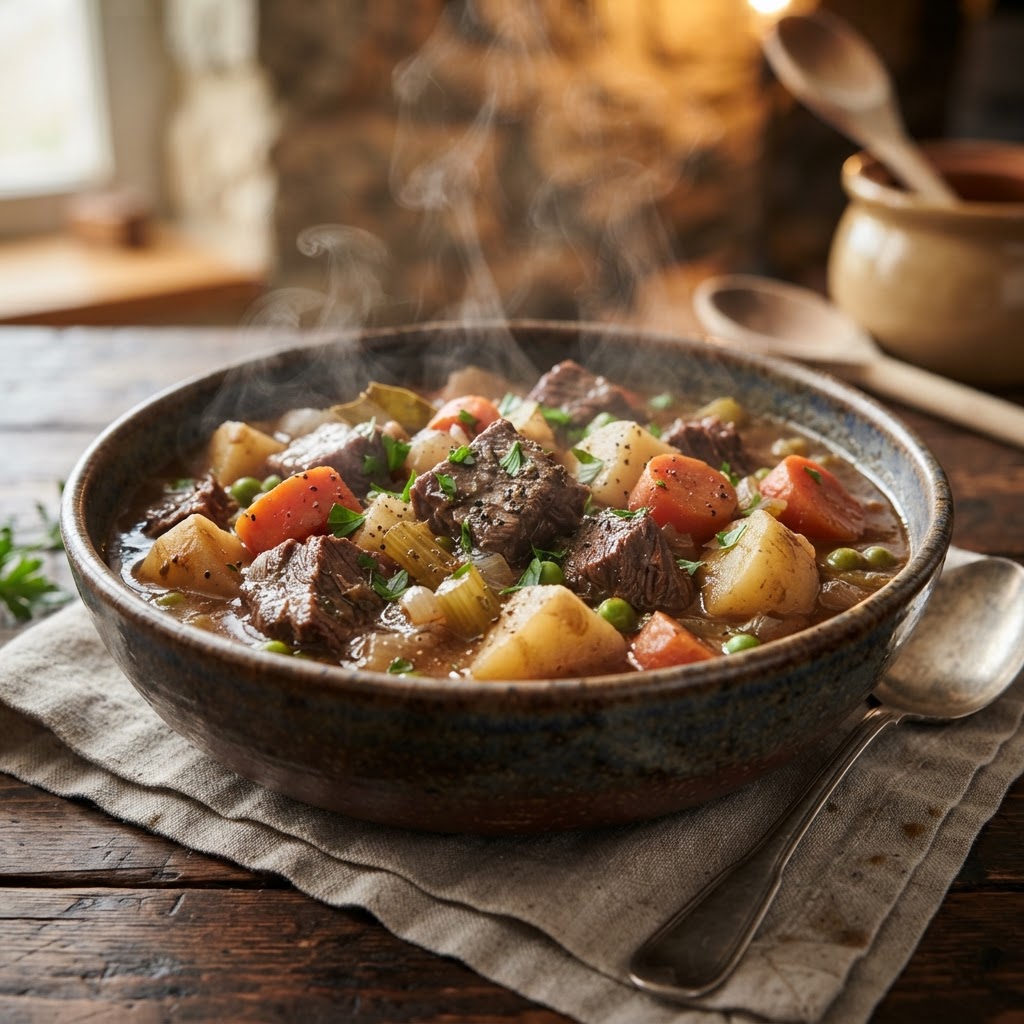
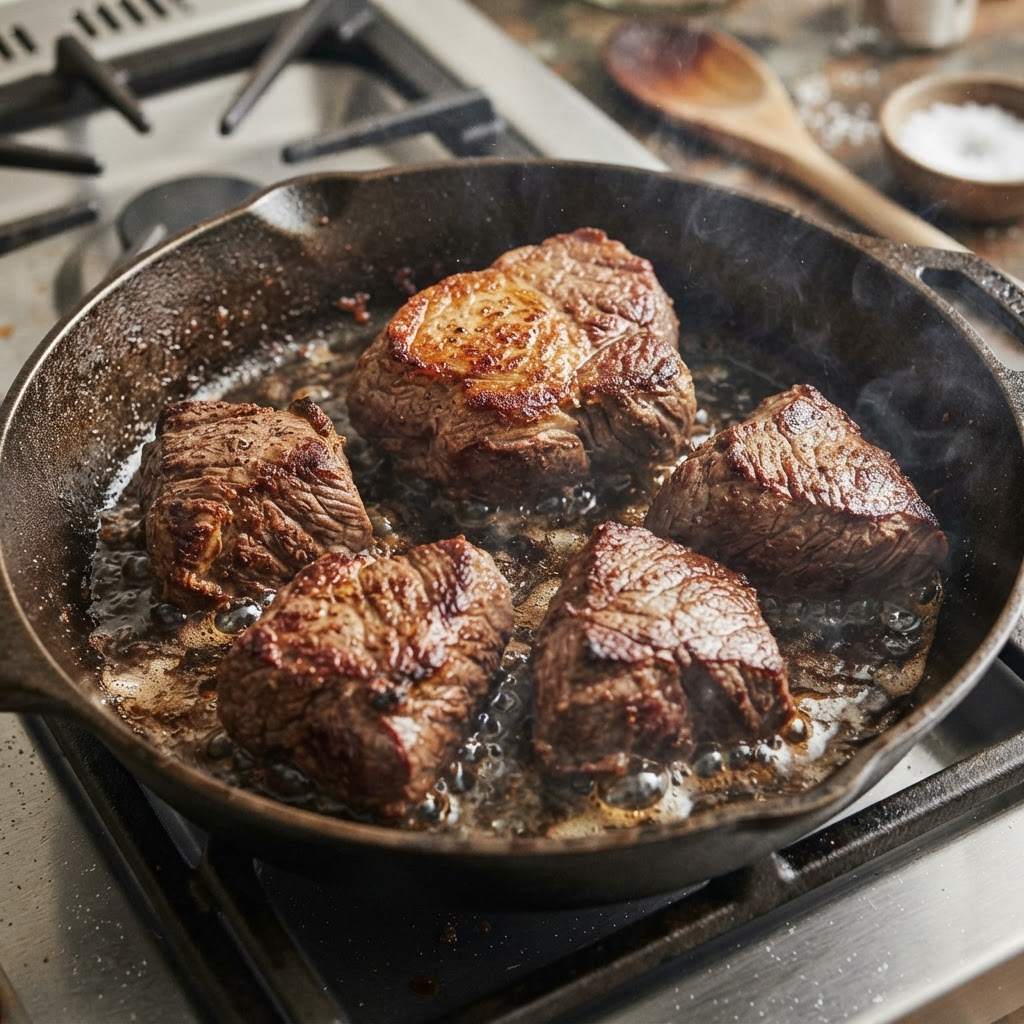
Achieving the depth of flavor found in an Old Fashioned Crockpot Beef Stew requires a fundamental understanding of the Maillard reaction, which transforms the surface proteins of your meat into complex, savory compounds. By searing 2 lbs of chuck roast chunks in a hot skillet with 2 tablespoons of vegetable oil, you create a caramelized crust that raw meat cannot replicate. Always select chuck roast with visible marbling; this intramuscular fat renders during the 8-hour cook time to provide a buttery, melt-in-your-mouth consistency that lean cuts like sirloin simply lack. Once browned, deglazing the pan with a splash of liquid captures the ‘fond’—the flavorful brown bits left on the skillet floor. This concentrated extract should be scraped and added directly into the slow cooker, forming the savory backbone of your gravy. Using this technique ensures every bite of your stew carries a deep, restaurant-quality profile, separating your dish from bland, boiled alternatives that lack nutritional complexity.
Step-by-Step Recipe Instructions
Ingredients You’ll Need
- 2 lbs beef chuck roast, cut into 1-inch cubes
- 3 tbsp all-purpose flour
- 1 tsp salt
- 1/2 tsp black pepper
- 2 tbsp vegetable oil
- 3 cups beef broth
- 1 lb Yukon gold potatoes, chopped
- 3 large carrots, peeled and sliced
- 1 large yellow onion, diced
- 2 cloves garlic, minced
- 1 tbsp Worcestershire sauce
- 1 tsp dried thyme
Follow this clear, step-by-step guide to prepare this dish perfectly every time.
Essential Ingredients for Success
Selecting the right ingredients is the primary driver of success when crafting a classic, hearty beef dinner. For the best results, you should prioritize fresh root vegetables and high-quality, low-sodium beef broth, which allows you to control the final salt balance. While baby potatoes are convenient, cutting 1 lb of large Yukon Gold potatoes into uniform 1.5-inch chunks provides a superior, creamy texture that withstands long cooking durations. Carrots should be sliced on the bias into 1-inch thick coins to ensure they soften without disintegrating into mush. Fresh herbs like thyme and rosemary elevate the dish from basic to gourmet, while a tablespoon of Worcestershire sauce provides the necessary umami kick that balances the acidity of the beef. Avoid store-bought seasoning packets, which often contain up to 400mg of sodium per serving and artificial fillers; instead, rely on aromatics like yellow onions and fresh garlic to build a complex, natural foundation. Following these specific ingredient standards ensures that your stew retains its structural integrity and depth of flavor throughout the 8-hour slow-cooking cycle.
The Proper Layering Technique
Proper layering within your slow cooker ensures that every element reaches the perfect level of tenderness simultaneously without overcooking delicate components. Always start by placing your harder root vegetables, such as carrots, potatoes, and onions, at the bottom of the crockpot, where the heat element is most intense and the liquid gathers. Next, place your seared beef chunks on top of the vegetable bed, allowing the rendered fat and juices to drip down and infuse the vegetables as it cooks. Cover the contents with 3 cups of high-quality beef broth; adding a single tablespoon of tomato paste to this liquid at the start can deepen the color and introduce necessary acidity. Finally, keep your delicate aromatics and dried herbs near the top to prevent them from burning during the extended cooking time. This structured approach prevents your beef from drying out while ensuring your vegetables are cooked through without becoming overly soft or broken down during the six to eight-hour cook time.
How to Achieve the Perfect Thickness
Many home cooks struggle with achieving the right consistency in their stew, often ending up with a thin, watery broth instead of a rich, velvety gravy. The most efficient way to thicken beef stew is to toss your beef chunks in a light coating of seasoned flour before searing, which naturally thickens the liquid as it bubbles. If you prefer an even thicker, more glossy consistency toward the end of the cooking cycle, whisk together a slurry of two tablespoons of cornstarch and two tablespoons of cold water, then stir it into the stew during the final thirty minutes of cooking. This technique produces a professional-grade, mirror-like finish that clings beautifully to the meat and vegetables. When selecting your thickener, consider the desired outcome: flour-dredging is ideal for slow-developed stews, whereas starches provide an immediate fix at the end of the process.
Enhancing the Flavor Profile
To truly capture that nostalgic taste, you must pay attention to the small details that elevate a simple stew to a gourmet masterpiece. One original insight is to add a tablespoon of balsamic vinegar or a teaspoon of dark soy sauce just before serving; this addition provides a brightness that cuts through the richness of the beef fat, balancing the overall flavor profile. Furthermore, incorporating a cup of frozen peas right at the end of the cooking time adds a necessary pop of color and a fresh, sweet contrast to the earthy flavors of the root vegetables and thyme. Don’t be afraid to taste and adjust the seasoning with kosher salt and freshly cracked black pepper right before you serve, as the flavors often concentrate significantly during the slow cooking process. Monitoring the acidity levels in the final 10 minutes can be the difference between a one-note dish and a complex, balanced meal.
FAQ
Should I sear the meat before putting it in the crockpot?
Yes, searing is non-negotiable if you want the best flavor. It creates a caramelized crust on the beef that provides a depth of flavor that cannot be achieved by skipping this step, significantly impacting the complexity of your gravy.
Can I use frozen vegetables in my beef stew?
While frozen peas or corn can be added at the end, it is best to use fresh root vegetables like potatoes and carrots. Fresh vegetables hold their structural integrity better than frozen versions during the long, 8-hour cooking cycle.
Why does my beef turn out tough in the slow cooker?
Your beef is likely tough because you used a lean cut like sirloin instead of a marbled cut like chuck roast, or it did not cook for a long enough duration to break down the connective tissue. Ensure you are using marbled beef and cooking on low for 8 hours.
How long can I keep leftovers in the refrigerator?
Properly stored in an airtight container, your stew will remain safe and delicious in the refrigerator for up to four days. In fact, many believe the flavors meld and improve significantly on the second day of refrigeration.
Is it necessary to use beef broth in this recipe?
Yes, using 3 cups of high-quality beef broth is essential for the stew’s base. It provides the necessary salt, umami, and liquid volume required to braise the chuck roast and vegetables properly, resulting in a rich, flavorful sauce instead of a watery, flavorless broth.