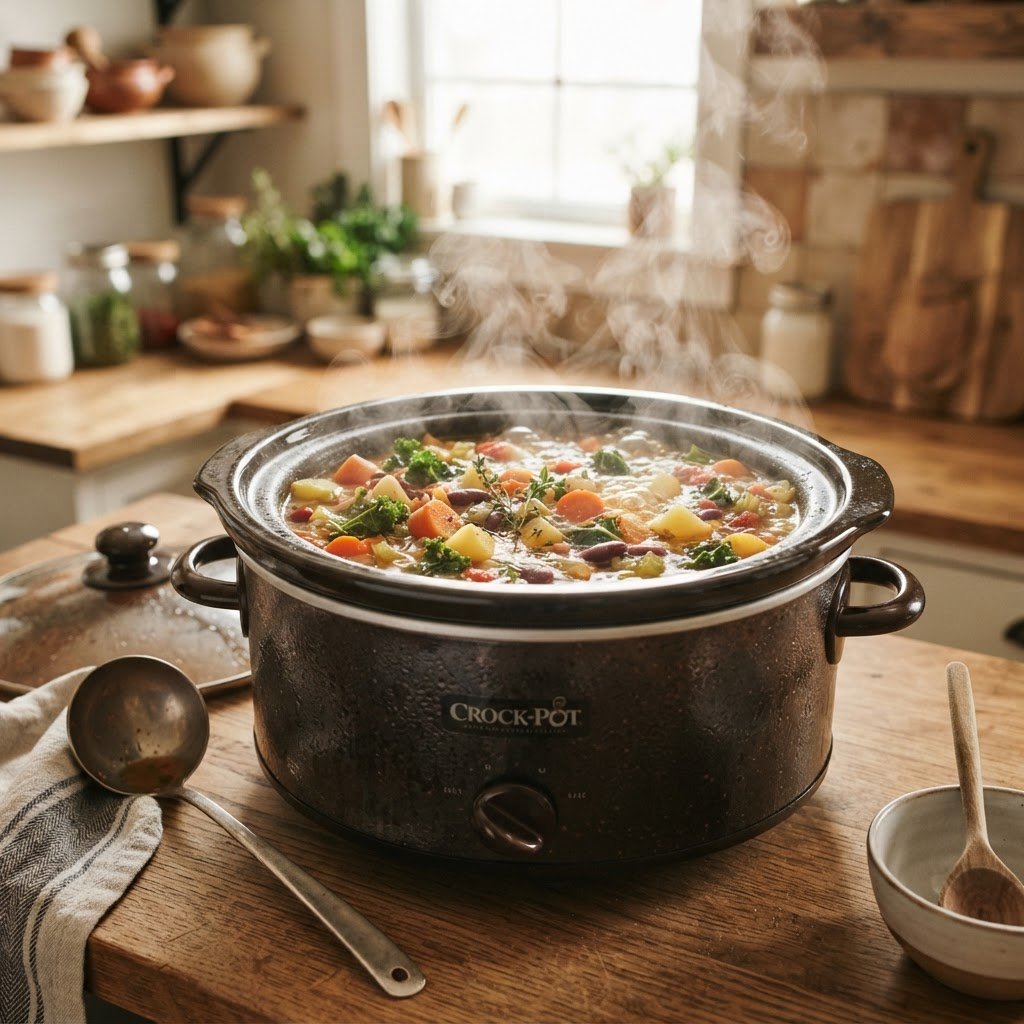
Making an easy vegetable soup in a slow cooker simply requires combining chopped fresh vegetables, vegetable broth, and herbs, then simmering on low for six to eight hours. This “dump-and-go” method ensures vegetables reach a tender, nutrient-rich consistency without requiring constant monitoring, making it an ideal stress-free dinner solution.## The Magic of Crockpot Cooking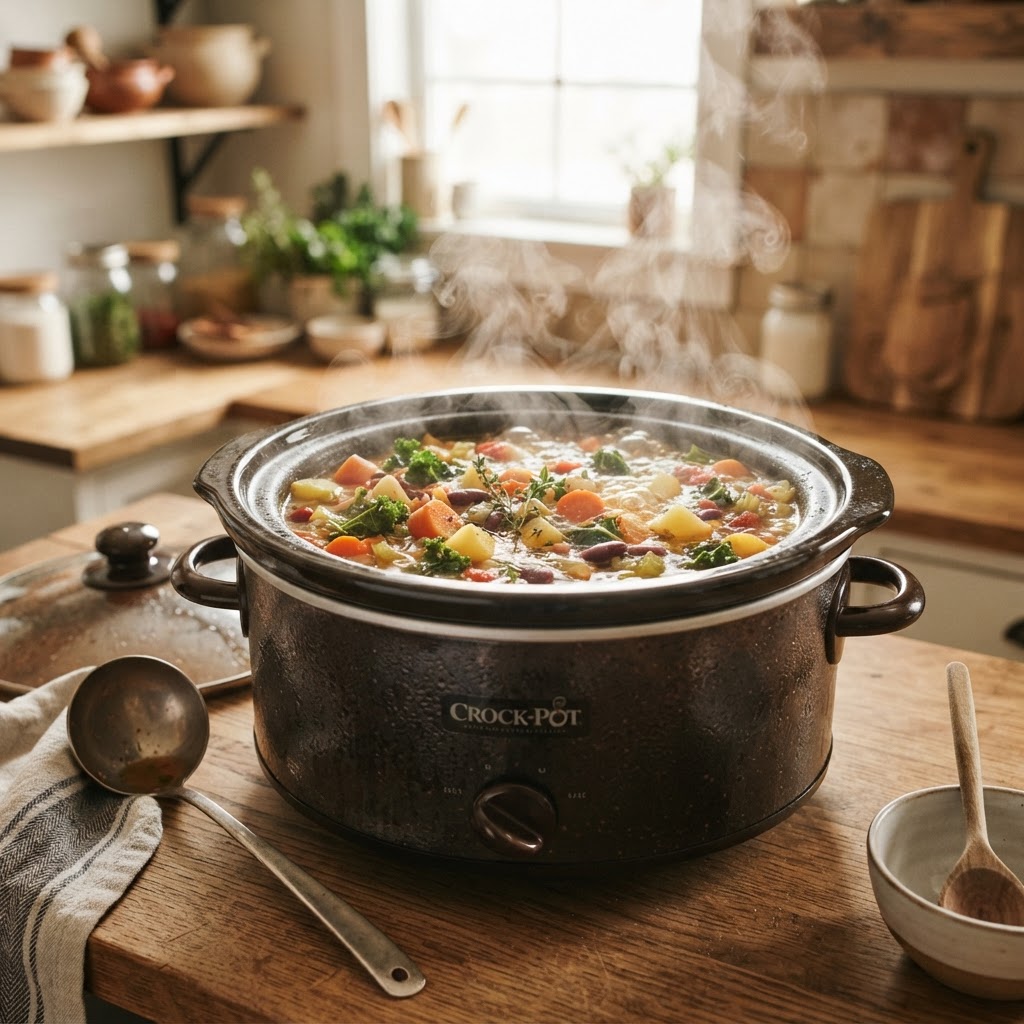 Crockpot vegetable soup is a game-changer for busy households because it utilizes consistent, low-intensity heat to break down tough fibers while locking in maximum flavor. Unlike stovetop cooking, which can lead to uneven textures, slow cooking allows root vegetables, legumes, and hearty greens to gently absorb the savory notes of your broth over an extended period. This method consistently produces vegetables that are tender but not mushy, maintaining their structural integrity and nutritional profile. By choosing a variety of seasonal vegetables, you ensure your soup is packed with essential vitamins and antioxidants. Furthermore, the slow cooker acts as a flavor infuser; as the ingredients simmer, they release enzymes that deepen the complexity of the broth. Data shows that cooking vegetables at 190°F (88°C) for several hours maximizes the bioavailability of certain phytonutrients while keeping calorie counts low, often resulting in a meal that is both satiating and heart-healthy. This approach remains the gold standard for home cooks seeking to maximize ingredient usage while minimizing kitchen time.## Step-by-Step Recipe Instructions
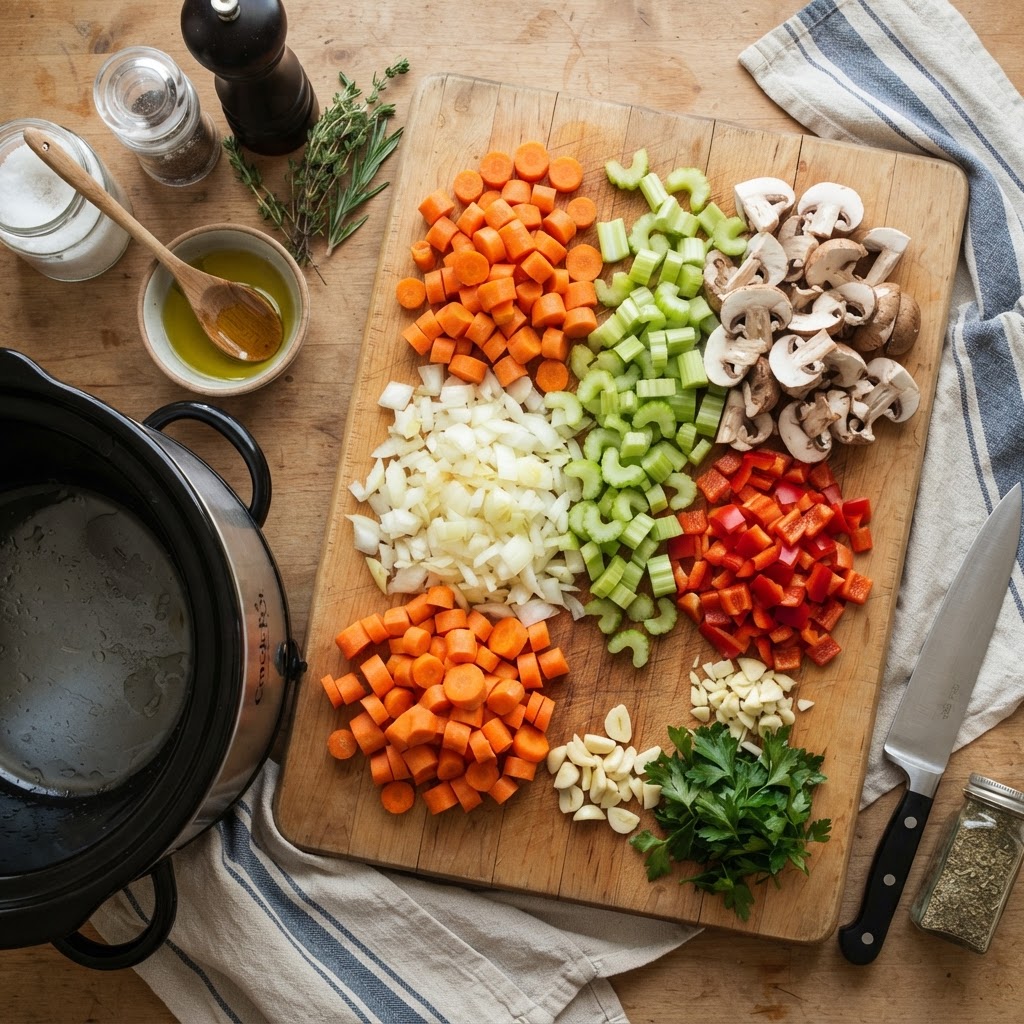 ### Ingredients You’ll Need- 1 tbsp olive oil- 1 medium yellow onion, diced- 2 cups carrots, chopped into rounds- 2 cups celery, sliced- 4 cloves garlic, minced- 1 lb potatoes, peeled and cubed- 1 can 14 oz diced tomatoes- 6 cups vegetable broth- 1 tsp dried thyme- 1 cup frozen peasFollow this clear, step-by-step guide to prepare this dish perfectly every time.| Step | Instruction | Time | Pro Tip || — | — | — | — || 1 | Heat 1 tbsp olive oil in a skillet and sauté 1 medium yellow onion, diced, until soft. | 5 min | Sautéing the onion develops a deeper flavor base. || 2 | Add 4 cloves garlic, minced, to the onions and stir until fragrant. | 1 min | Be careful not to burn the garlic. || 3 | Place the sautéed onion and garlic mixture into the slow cooker along with 2 cups carrots, chopped into rounds, and 2 cups celery, sliced. | 2 min | Layering helps even cooking. || 4 | Add 1 lb potatoes, peeled and cubed, on top of the carrots and celery. | 1 min | Cut potatoes into uniform sizes for even texture. || 5 | Pour in 1 can 14 oz diced tomatoes and 6 cups vegetable broth over the vegetables. | 1 min | Use low-sodium broth to control salt levels. || 6 | Stir in 1 tsp dried thyme to season the mixture. | 1 min | Crush the thyme in your palm to release oils. || 7 | Cover and cook on low setting until all vegetables are tender. | 6-8 hours | Do not lift the lid during cooking to maintain heat. || 8 | Stir in 1 cup frozen peas and let sit for a moment to warm through before serving. | 2 min | Adding peas last keeps them bright and vibrant. |## Essential Ingredients for Maximum Flavor
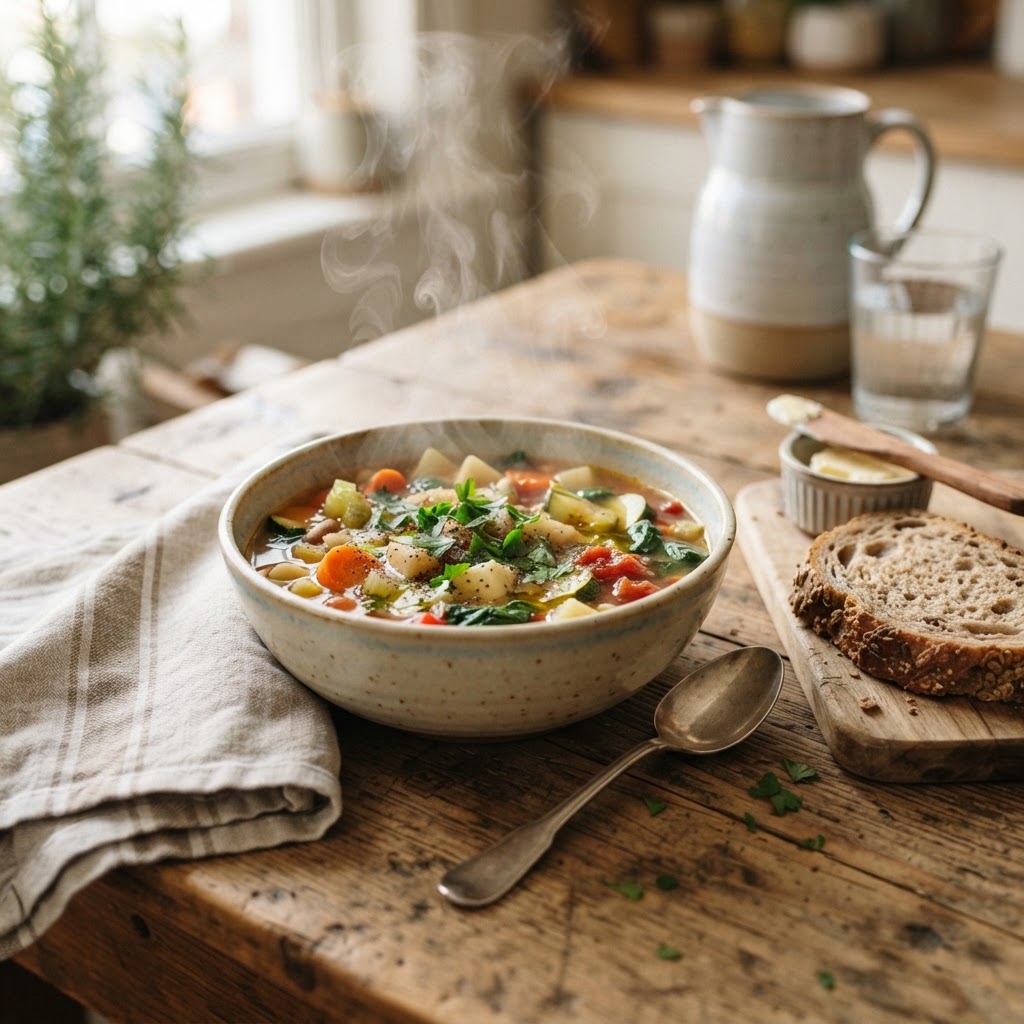 Selecting the right combination of ingredients is the foundation of a successful easy vegetable soup slow cooker recipe, starting with a “mirepoix” base. A combination of onions, carrots, and celery creates a savory, aromatic foundation that serves as the backbone for almost every classic soup recipe. To elevate the final product, incorporate starchy elements like potatoes or butternut squash, which naturally release starches to thicken the broth without artificial additives or heavy cream. For professional results, always opt for low-sodium vegetable stock to ensure you have complete control over the final salt levels, as slow cooking can concentrate flavors significantly. If you are looking to expand your collection of plant-based meals, you might also enjoy our hearty vegetable soup recipe for another nutritious, hands-off dinner option. If you love the comforting texture of potatoes, you should also try our best slow cooker potato soup for an even creamier, cozy meal experience. Fresh herbs like thyme, rosemary, and parsley are best added during the final hour of cooking; this ensures their essential oils provide a bright, vibrant contrast to the earthy root vegetables. Utilizing specific additions like a parmesan rind or a dash of acid can drastically change the quality of your soup. The following table provides guidance on choosing ingredients based on desired thickness and flavor profile.| Ingredient Type | Function in Soup | Best Addition Time || :— | :— | :— || Root Veggies | Adds substance and body | Beginning of cook || Aromatics | Builds base flavor | Sauté before adding || Leafy Greens | Adds color and nutrients | Final 30 minutes || Acidic Finish | Balances sweetness/salt | Right before serving |### Vegetable Preparation TipsTo achieve the perfect texture in your soup, chop all vegetables into uniform, 1-inch bite-sized pieces. Uniformity is the secret to even cooking in a slow cooker, ensuring that no ingredient is left undercooked while others turn to mush. If you are adding delicate vegetables like spinach or kale, always reserve these for the last 30 minutes of the cook time to preserve their color and texture. For even more consistent results, aim to cut potatoes into slightly smaller cubes than carrots, as potatoes often require a longer duration to soften uniformly.## Mastering the Slow Cooker MethodUnderstanding how your specific slow cooker functions is vital for consistent results, as heat distribution varies significantly between different appliance models. Most modern slow cookers utilize either a ceramic or metal insert; ceramic holds heat longer, while metal may heat faster. For the best flavor infusion, the low setting is almost always superior to high, providing a gentle simmer rather than a rapid boil, which can toughen certain vegetables. Since you are working with an easy vegetable soup slow cooker recipe, the primary goal is a consistent temperature range between 180°F and 200°F. If you find the soup is too thin, you can mash a few of the cooked potatoes against the side of the pot to naturally thicken the broth. This adds a velvety consistency that makes the meal feel more luxurious and satiating, perfect for cold winter dinner ideas. To compare the efficiency of various cooking styles, consider the following data points regarding traditional versus slow cooker methods:| Feature | Stovetop Method | Slow Cooker Method || :— | :— | :— || Hands-on Time | 30-45 minutes | 10 minutes || Flavor Depth | Moderate | High (developed over time) || Nutrient Loss | Higher (boiling) | Lower (gentle simmering) || Energy Use | High (constant flame) | Low (insulation) |## Comparing Cooking Times and IngredientsTo help you better understand the impact of your ingredient choices, the following comparison table illustrates how different vegetables respond to the slow cooker environment over an eight-hour duration.| Ingredient Category | Texture After 8 Hours | Best Practice || :— | :— | :— || Root Vegetables (Carrots/Potatoes) | Soft and tender | Cut into 1-inch chunks || Cruciferous (Broccoli/Cauliflower) | Very soft | Add in the last 2 hours || Legumes (Canned Beans) | Holds shape well | Rinse thoroughly before adding || Leafy Greens (Kale/Spinach) | Wilts completely | Add in the last 20 minutes |## Creative Variations and Add-insOnce you have mastered the base, you can customize your easy vegetable soup slow cooker recipe to match any palate or dietary preference. Adding a splash of balsamic vinegar or lemon juice right before serving can wake up the flavors and provide a necessary acidic balance to the inherent sweetness of carrots or squash. For those who enjoy a heartier, more substantial texture, consider adding grains like barley, farro, or even wild rice, which will soak up the broth and turn the soup into a complete, balanced meal. If you are looking for a meatier main dish that is just as easy to prepare, our easy tender slow cooker pork chops with gravy make a fantastic protein-packed dinner. If you enjoy this vegetable-based approach but are looking for a meatier option, our 3-ingredient slow cooker pork chops offer the same hands-off convenience with hearty, tender protein. If you are looking for another savory main dish to add to your repertoire, you should try our creamy garlic slow cooker pork chops for a protein-packed alternative to vegetarian meals. Many home cooks also find that adding a rind of parmesan cheese during the cooking process imparts a deep umami flavor that elevates the dish to restaurant quality without needing any meat. You can also experiment with international flavor profiles by adding 2 tablespoons of red curry paste for a Thai-inspired soup or a teaspoon of smoked paprika for a Spanish-style finish. These small adjustments transform a basic vegetable soup into an entirely different culinary experience while maintaining the simplicity of the slow cooker method.## Tips for Storage and Meal PrepBecause this recipe makes a generous batch, it is an excellent candidate for efficient meal prep, often improving in taste after sitting in the refrigerator overnight. The process of “marinating” in the broth allows the herbs and aromatics to fully penetrate the vegetable fibers, resulting in a deeper, more cohesive flavor profile. To store correctly, allow the soup to cool completely to room temperature before portioning it into airtight, freezer-safe containers; this prevents the steam from creating excess moisture that can lead to bacterial growth or ice crystals. You can keep this soup in the refrigerator for up to five days or freeze it for up to three months. If freezing, leave at least one inch of space at the top of your container, as the liquid will expand during the freezing process. When you are ready to eat, simply reheat it on the stovetop over medium-low heat or in the microwave for a fast, healthy lunch, stirring periodically to ensure even warming throughout the container.## FAQ### How do I prevent vegetables from becoming mushy?To avoid mushy vegetables, keep them in large, uniform 1-inch chunks and prioritize adding delicate vegetables like greens or broccoli in the final 30 minutes of cooking. This prevents over-exposure to the high-heat cycles of the slow cooker.### Can I add protein to this soup?Yes, you can easily add protein by incorporating plant-based options like chickpeas, black beans, lentils, or cannellini beans, which hold their texture exceptionally well during long cooking times. For meat eaters, adding pre-cooked shredded chicken is also a great option.### Is it safe to leave a slow cooker on all day?Yes, modern slow cookers are designed for long-duration, unattended operation. Always ensure the device is placed on a flat, heat-resistant surface away from curtains or other flammable materials, and keep the cord away from water sources.### Can I use frozen vegetables instead of fresh?Absolutely, frozen vegetables are a time-saving alternative that often retain high nutritional value since they are flash-frozen at peak ripeness. Simply add them in frozen, but note they may cook slightly faster than fresh raw vegetables.### Does the soup need to be stirred during cooking?No, keeping the lid closed is essential for maintaining consistent internal temperatures. Every time you open the lid, you lose significant heat, which can add up to 30 minutes of extra cooking time required to bring the soup back to a safe simmer.### How do I thicken the soup naturally?To thicken your soup without flour or cornstarch, mash roughly one-fourth of the cooked potatoes directly against the side of the slow cooker insert using a fork or wooden spoon. This releases natural starches that thicken the broth into a hearty consistency.