Best Slow Cooker Chicken Recipes for Busy Nights
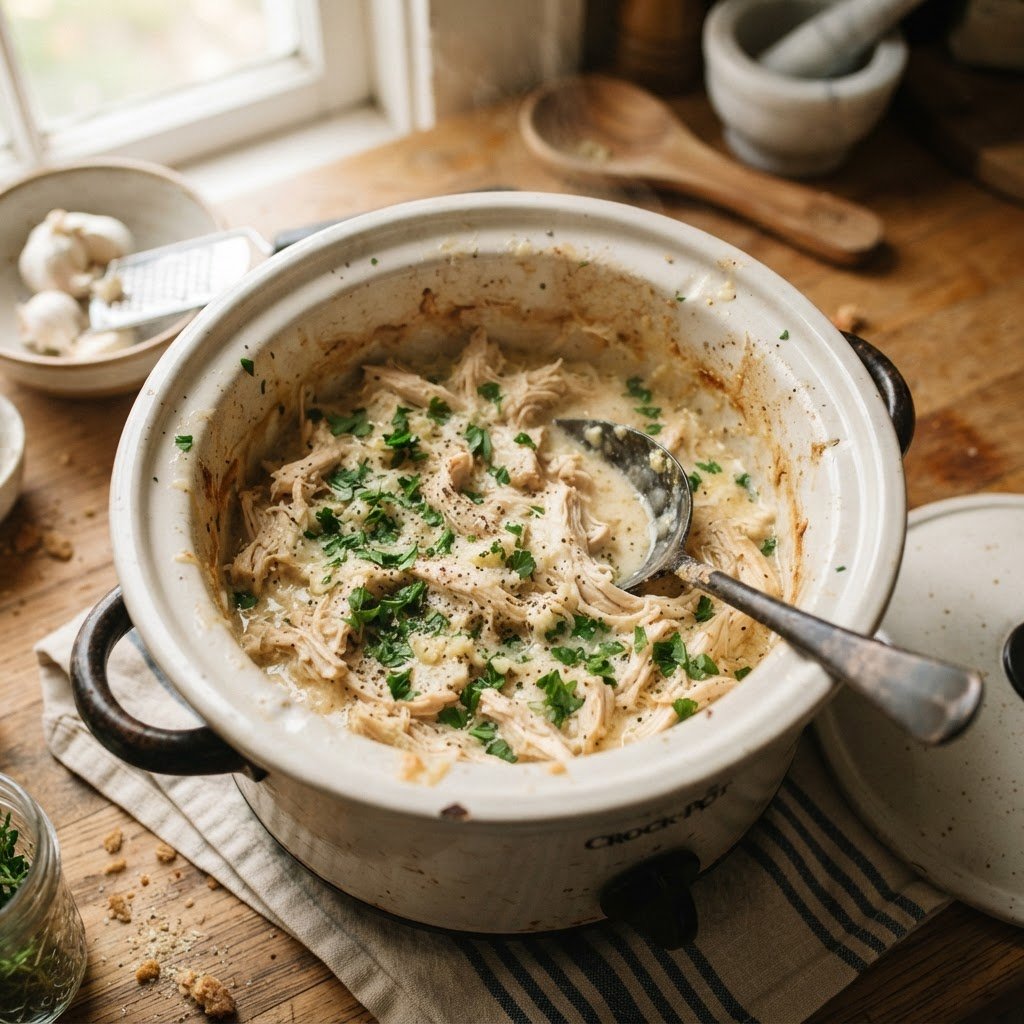
The most effective way to prepare tender, flavorful slow cooker chicken is by cooking boneless, skinless breasts on low heat for 3 to 4 hours with at least 1/2 cup of liquid. This “low and slow” method maintains an internal temperature of 165°F while preventing the muscle fibers from drying out, ensuring succulent results every time.
Mastering the Art of Slow Cooker Chicken
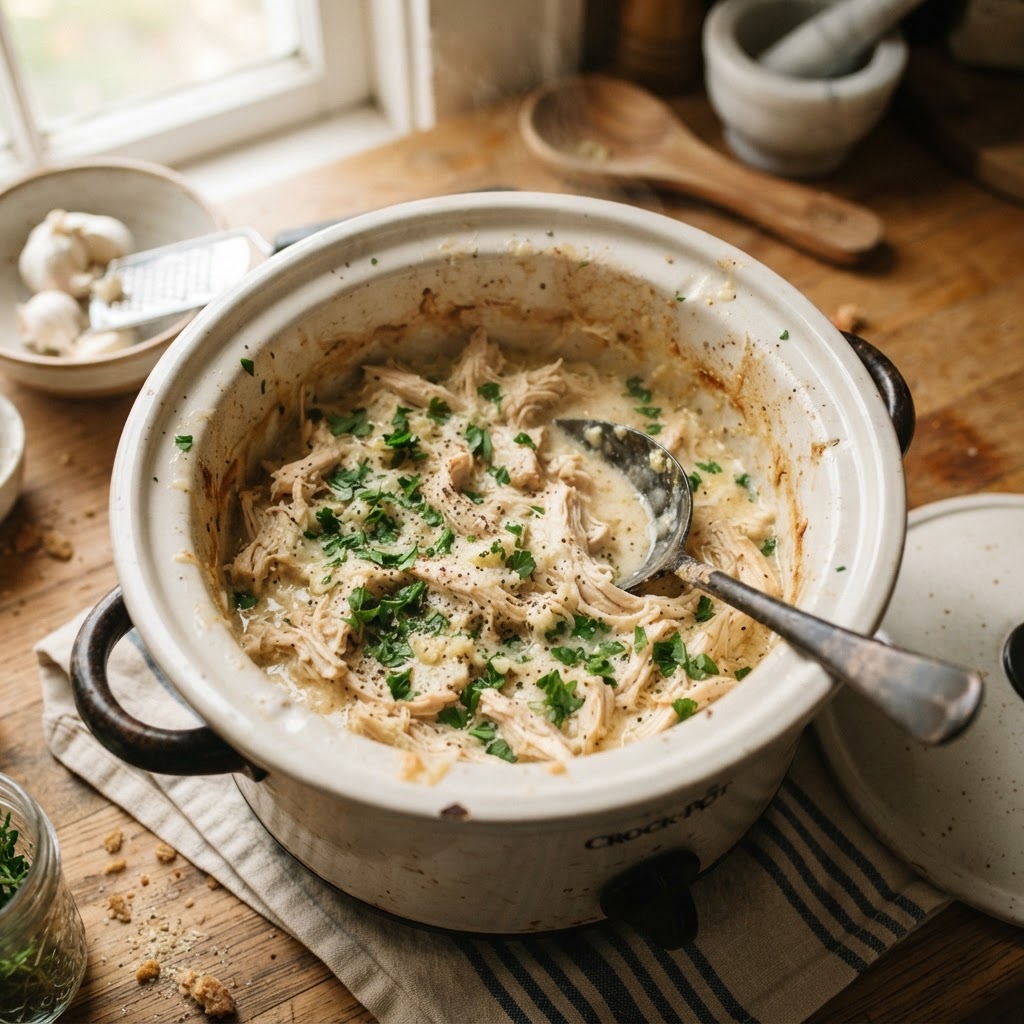
Achieving the perfect tender chicken breast requires understanding the critical balance between low heat and sufficient cooking time. When you start cooking chicken breast in the crockpot, it is essential to avoid overcooking, as this can lead to dry, stringy textures regardless of how much liquid is present. Data shows that maintaining a gentle simmer prevents the proteins from tightening excessively. Most easy chicken dinner recipes suggest a 3 to 4-hour window on low for breasts, ensuring they remain juicy and succulent for your family to enjoy. Beyond timing, placement matters: keeping chicken at the base of the slow cooker allows for optimal heat absorption from the heating element. You should avoid lifting the lid during this process, as each opening releases approximately 15-20 minutes of cooking heat, which disrupts the delicate thermal equilibrium required for uniform texture. If you are preparing large batches, ensure the breasts are in a single layer rather than stacked, which promotes even thermal distribution. By treating the slow cooker as a precision braising vessel rather than just a “set and forget” device, you can elevate simple poultry into a restaurant-quality meal. Consistency is key, and adhering to these professional-grade timing standards will eliminate the guesswork often associated with slow-cooked proteins.
Essential Techniques for Juicy Results
To ensure you always get a juicy crockpot chicken breast, try adding a half-cup of liquid, such as chicken broth or even a recipe with Italian dressing. This extra moisture helps facilitate the slow cook process, preventing the meat from sticking to the sides of the crockpot. Many home cooks find that simple chicken in the crockpot works best when the meat is placed at the bottom, surrounded by aromatics, which helps infuse deep flavor while maintaining the integrity of the protein. The addition of acidic components like citrus juice or vinegar at the start can also help tenderize the meat fibers through mild enzymatic action. Furthermore, adding high-water-content vegetables like onions or celery acts as a natural buffer, releasing their own juices to keep the environment humid. For those looking to maximize flavor infusion, seasoning the chicken with a dry rub at least 30 minutes before placing it in the cooker can yield a more robust profile. Always remember that the liquid-to-chicken ratio should be roughly 1:4 to keep the meat from boiling while preventing it from scorching. This meticulous approach to hydration and placement is the industry standard for home chefs aiming for consistent, high-moisture outcomes every time they use their appliance.
Step-by-Step Recipe Instructions
Ingredients You’ll Need
- 2 lbs boneless skinless chicken breasts
- 1 cup chicken broth
- 1/2 cup honey
- 1/3 cup soy sauce
- 4 cloves minced garlic
- 1 tsp dried oregano
- 1/2 tsp red pepper flakes
- 2 tbsp cornstarch
- 2 tbsp cold water
- 1/4 cup chopped green onions
Follow this clear, step-by-step guide to prepare this dish perfectly every time.
Popular Flavor Profiles and Recipe Ideas
There are endless ways to season your poultry, ranging from a creamy garlic parmesan sauce to a tangy, Asian-inspired glaze. Whether you are looking for crockpot recipes marry me chicken, or perhaps healthy marrry me chicken crockpot, the versatility of these devices is unmatched. You can easily adapt basic crockpot chicken recipes to fit your dietary needs, such as opting for low-calorie chicken casserole slow cooker, or gluten-free variations. Many people find success with slow cooker chicken curry recipes easy enough for even the most hectic Tuesday evening. When planning your flavor profile, consider the “flavor-loading” technique: sautéing your aromatics (onions, garlic, spices) in a pan for 3-5 minutes before adding them to the slow cooker releases essential oils that long, slow cooking alone may not achieve. For Mediterranean profiles, incorporating sun-dried tomatoes and kalamata olives during the final hour provides a punch of umami that cuts through the richness of the chicken. If you are leaning toward Asian-inspired dishes, swapping traditional honey for agave syrup can create a unique gloss, while adding toasted sesame oil at the very end provides a fragrant finish that would otherwise evaporate during the cooking process. By rotating these flavor categories weekly, you can prevent menu fatigue while utilizing the same efficient, low-effort cooking method every time you use your slow cooker.
Quick and Healthy Options
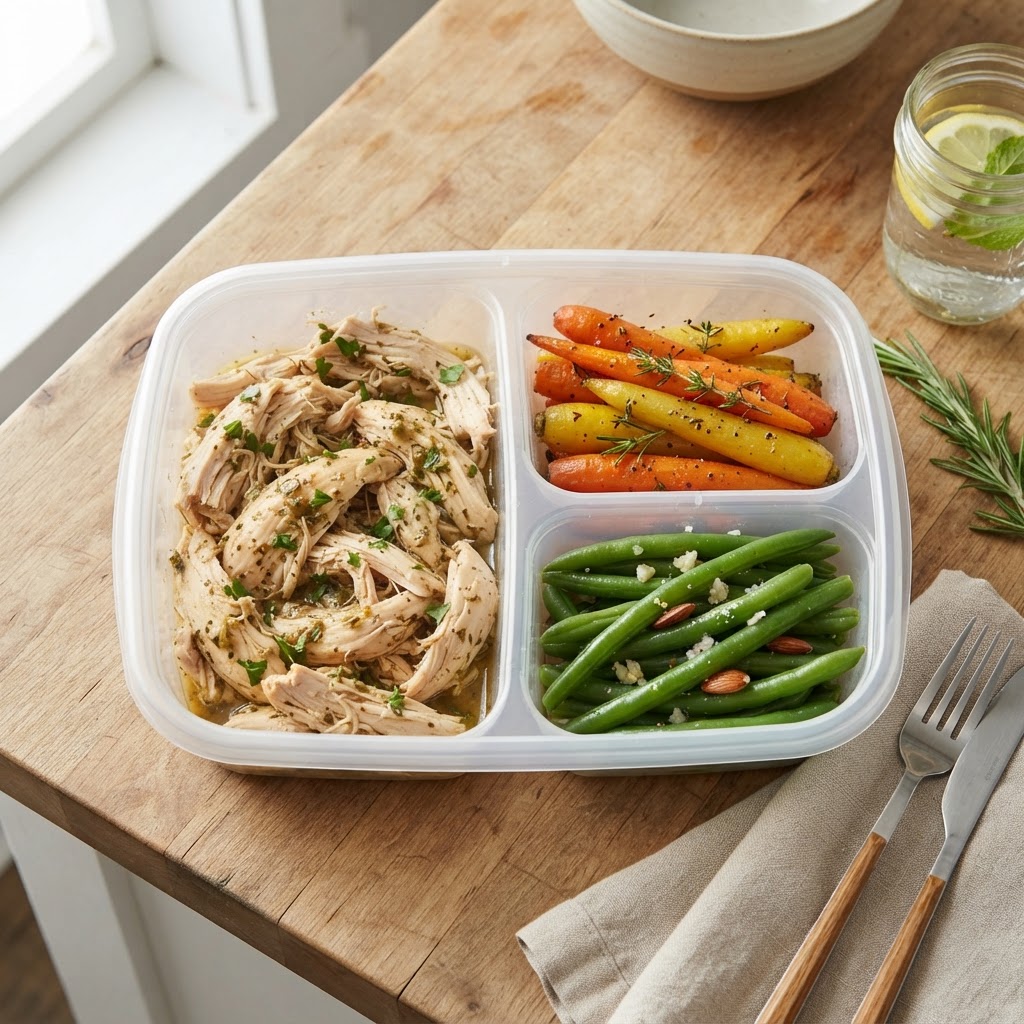
For those focused on nutrition, healthy chicken breast slow cooker recipes often rely on fresh herbs, lemon, and seasonal vegetables. You might try a slow cooker chicken and mushroom recipe or perhaps a slow cooker Mediterranean chicken stew for a light yet satisfying meal. Utilizing these easy healthy slow cooker chicken recipes allows you to maintain your wellness goals without sacrificing flavor. Many families appreciate how chicken meal prep becomes a breeze when you have a reliable list of healthy chicken breast crock pot recipes at your disposal. Health-conscious cooks often prioritize lean cuts and fiber-rich additions, such as kale or spinach, which should be added only 10 minutes before serving to retain their vibrant color and nutritional density. If you are tracking macros, remember that boneless skinless chicken breast contains approximately 31 grams of protein per 100g serving; by pairing it with root vegetables like sweet potatoes (which offer 4g of fiber per cup), you create a balanced, satiating meal. Furthermore, avoiding store-bought pre-made sauces—which often contain 8-12 grams of added sugar per serving—in favor of homemade spice blends can significantly lower the caloric density of your weekly meal prep. These minor adjustments in your cooking approach transform standard convenience meals into high-performance fuel for active lifestyles.
Understanding Cooking Times and Safety
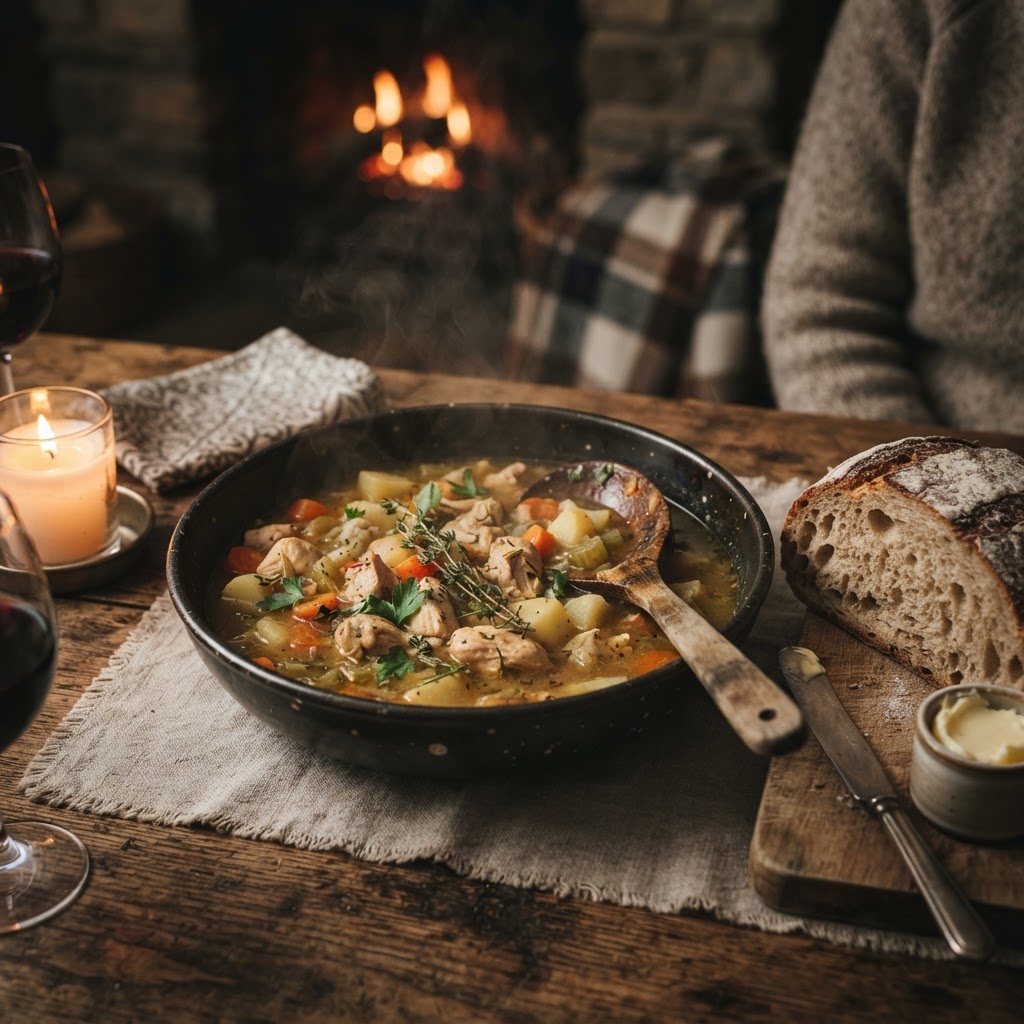
Properly cooking chicken involves reaching a safe internal temperature of 165 degrees Fahrenheit to ensure it is safe for consumption. When dealing with chicken breast in the slow cooker, it is important to remember that every machine heats slightly differently, so monitoring the temperature toward the end of the cycle is a smart practice. Whether you are creating a slow-cooker garlic chicken recipe or a complex Indian-inspired dish, never rely solely on the clock; use a meat thermometer for accuracy. Safety protocols dictate that meat should not remain in the “danger zone” (40°F to 140°F) for more than two hours. Consequently, avoid adding frozen chicken directly to the slow cooker, as the prolonged time required to reach safe temperatures invites bacterial proliferation. A study on appliance safety suggests that pre-heating your slow cooker on ‘High’ for 20 minutes before adding the ingredients can decrease the time the meat spends in the danger zone. Always position the thermometer in the thickest part of the breast, ensuring it does not touch the bottom of the pot, which would yield a false-positive high reading. Adhering to these strict safety standards not only protects your family from foodborne illness but also guarantees that your meal meets professional culinary safety thresholds for safe, effective home cooking.
Comparison of Chicken Cooking Methods
Comparison of Slow Cooker Heat Settings
Exploring Global Flavors in the Crockpot
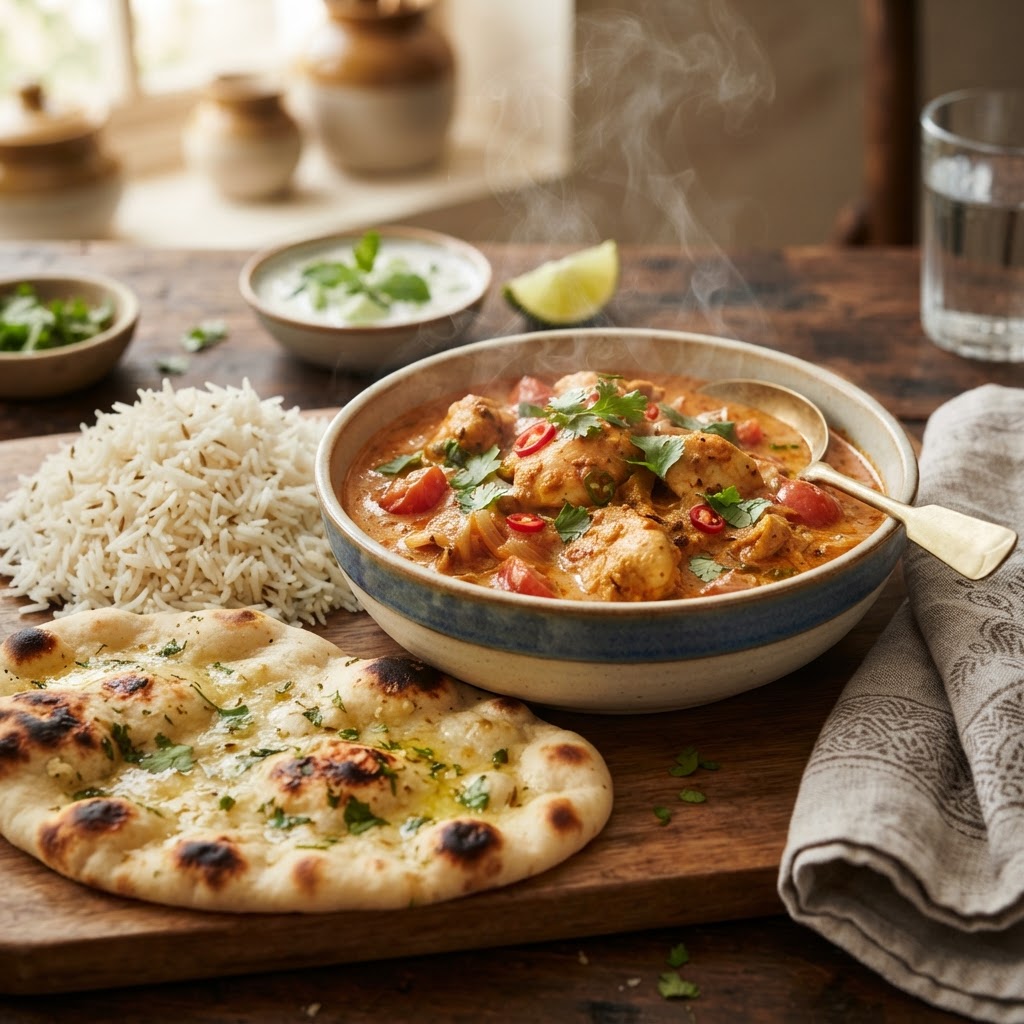
International cuisine is perfectly suited for long, slow braising, allowing spices to penetrate the meat thoroughly. You can learn how to make chicken curry in crockpot using coconut milk and aromatic spices, which results in a dish that rivals any restaurant. If you enjoy heat, slow cooker jerk chicken or Thai chicken stew can provide exciting variety to your routine. Don’t forget that curry slow cooker recipes are often better the next day, making them excellent candidates for your weekly meal prep strategy. The key to authentic global flavor is layering; for an Indian-style curry, adding your dry spices (turmeric, coriander, cumin) at the start allows them to toast in the fat released by the chicken. Conversely, fresh ingredients like cilantro or coconut cream should be reserved for the final moments of cooking to preserve their volatile aromatic compounds. When preparing Latin-inspired shredded chicken, known as tinga, using fire-roasted tomatoes and chipotle in adobo provides an instant depth of smoke that would otherwise take hours of grilling to replicate. By understanding the chemical properties of your spices—knowing which are fat-soluble (like paprika and curry powder) and which are heat-sensitive (like fresh herbs)—you can manipulate the slow cooker to produce complex, multi-layered flavor profiles that far exceed basic stewing techniques.
Asian-Inspired Crockpot Delights
Asian cooking styles are particularly well-suited for the slow cooker, especially when making a healthy chicken teriyaki recipe crockpot or sticky honey chicken slow cooker. You can easily make your own teriyaki sauce or use a bottled version to create an easy crockpot honey garlic chicken that the kids will adore. Crockpot Asian chicken dishes are a fantastic way to introduce new flavors without complex steps or multiple pans to clean afterward. For the best “sticky” texture, cook your chicken with the base aromatics (garlic, ginger, soy sauce) and save the thickening agents (cornstarch slurry) for the final 15 minutes on high. This prevents the sauce from burning or becoming overly gummy. Authentic ginger-soy profiles benefit greatly from the addition of Shaoxing wine or dry sherry; these spirits add an earthy complexity that cuts through the sweetness of honey or brown sugar. If you are serving these dishes to guests, remember that a garnish of toasted sesame seeds, thinly sliced scallions, and a drizzle of chili crisp adds the necessary textural contrast—a classic technique used in professional kitchens to transform a monochromatic braised dish into a vibrant, appetizing presentation.
Troubleshooting Common Slow Cooker Issues
If you find your chicken is coming out too dry, it is often due to cooking it on high for too long or opening the lid too frequently. Every time the lid is removed, the appliance loses significant heat, which extends the cooking time and compromises the consistency of the heat. Stick to the ‘low and slow’ method whenever possible for the most tender results. If you are preparing slow cooked meat recipes, remember that boneless cuts cook much faster than bone-in, so adjust your timer accordingly to keep the chicken from drying out. Another common error is overcrowding; if the slow cooker is filled beyond two-thirds capacity, the heat distribution becomes uneven, leaving the top layer of chicken undercooked while the bottom layer potentially scorches. To fix a thin sauce, use a cornstarch slurry (1 tablespoon cornstarch per 2 tablespoons cold water) to avoid floury textures. If your dish tastes too salty, add a splash of lemon juice or a pinch of sugar; the acid or sweetness can neutralize the intensity of the sodium. By systematically checking these variables, you can rescue even a struggling recipe and ensure your final product remains consistent with your high culinary standards.
FAQ
Q: How long does chicken breast take in a slow cooker?
Chicken breast typically takes 3 to 4 hours on low or 1.5 to 2 hours on high to reach the perfect, juicy consistency. Cooking chicken breast in the crockpot for longer than this can cause the fibers to break down and become dry, even if the liquid content is high.
Q: Can I put frozen chicken breast in the slow cooker?
It is generally recommended to thaw chicken fully before placing it in the slow cooker for food safety reasons. Cooking frozen poultry can lead to an extended period where the meat sits in the ‘danger zone’ temperature, which significantly increases the risk of bacterial growth.
Q: How do I prevent chicken from getting dry in the crockpot?
To prevent chicken from getting dry, always ensure you include at least 1/2 cup of liquid, such as broth or sauce, to keep the meat hydrated. Additionally, avoid overcooking by using a meat thermometer to ensure you pull the chicken as soon as it reaches 165°F internally.
Q: What are the best vegetables to add to chicken in the slow cooker?
Hard root vegetables like carrots, potatoes, and onions work best as they can withstand long cooking times without turning to mush. If you want to use softer vegetables like zucchini or bell peppers, add them in the final 30 to 60 minutes of cooking to maintain their texture.
Q: Why does my sauce taste bland after slow cooking?
Slow cooking can sometimes mute delicate flavors, so it is best to bloom your spices in a hot pan before adding them to the cooker. For better results, finish your dish with fresh herbs or a squeeze of acid, like lime or lemon juice, just before serving to brighten the profile.