Best Ever Slow Cooker Beef Stew (Tender & Flavorful)
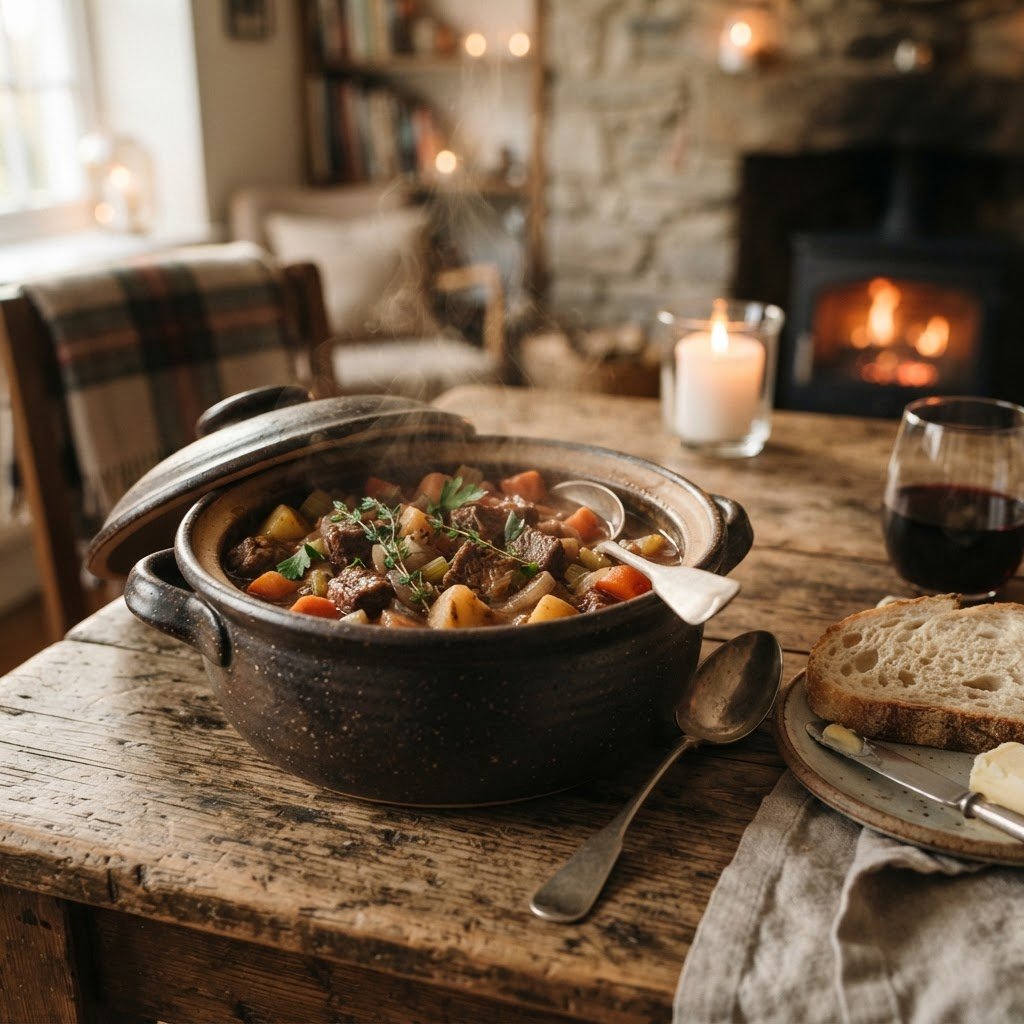
The best way to make slow cooker beef stew is to sear 2 lbs of cubed beef chuck roast before cooking it on low for 7 to 8 hours with broth, potatoes, carrots, onions, and herbs. This method ensures the meat becomes melt-in-your-mouth tender while the gravy develops a deep, rich, and velvety consistency.
The Secret to Perfection
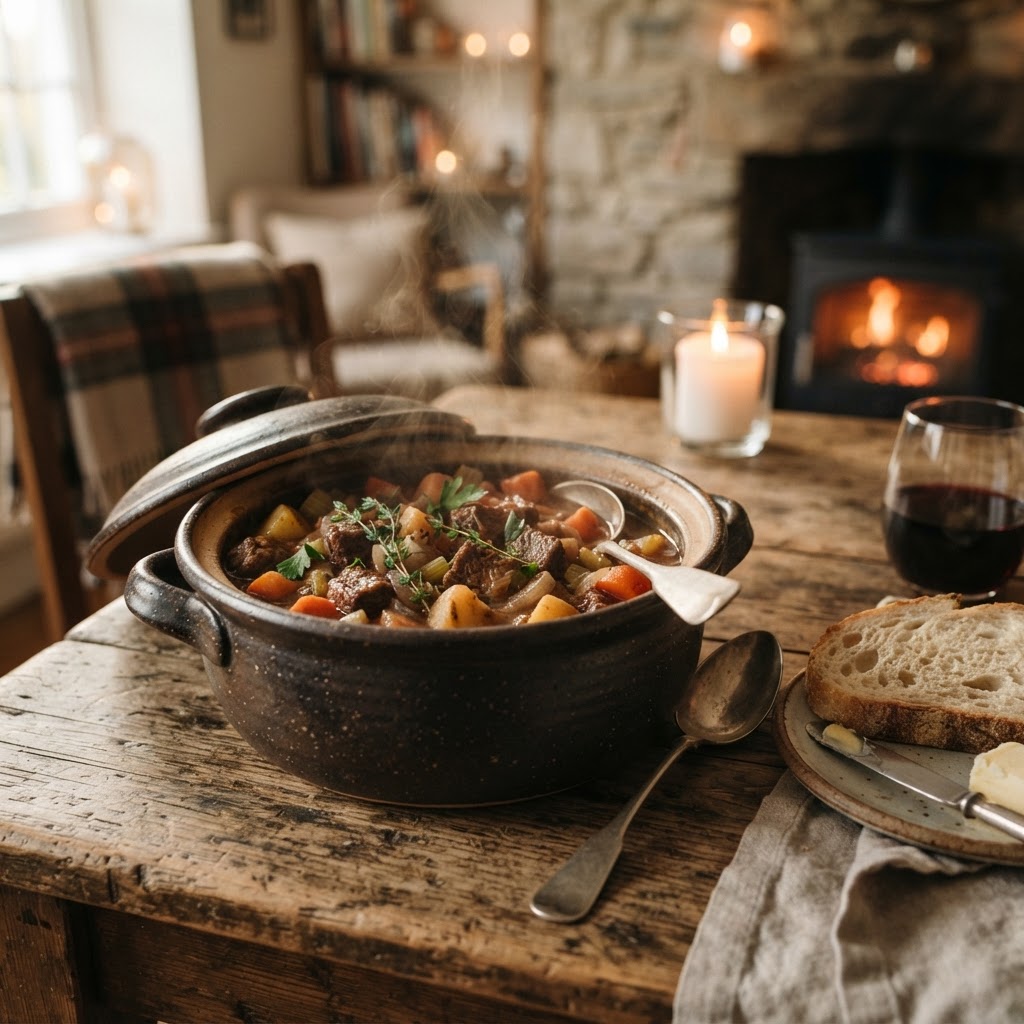
The secret to a superior beef stew lies in the Maillard reaction achieved through browning the meat before it enters the slow cooker. When you sear the 2 lbs of beef chuck roast in a hot skillet with 1 tbsp of olive oil for approximately 8 minutes, you create complex flavor compounds on the surface of the meat that cannot be replicated by boiling alone. This step effectively locks in moisture and adds a savory, browned depth to the final gravy. Beyond searing, patience is critical; the slow-cooking process at low heat (approx. 200°F) gently breaks down tough connective tissues and collagen in the chuck roast over 8 hours. By layering ingredients carefully—placing harder root vegetables at the bottom where heat is most intense—you ensure that every component reaches the perfect state of doneness simultaneously. This foundational technique transforms humble ingredients into a restaurant-quality meal, cementing the stew’s status as the ultimate comfort food for any home cook looking to achieve consistent, high-quality results without constant monitoring or stove-top management.
Preparing Your Ingredients
Starting with the right beef stew ingredients is essential for a high-quality outcome. Choose chuck roast or well-marbled stewing beef for the best results, as the fat will render during the long, slow cooking process to keep the meat moist. Additionally, ensure your carrots and potatoes are cut into uniform, chunky pieces to prevent them from becoming mushy.
Step-by-Step Recipe Instructions
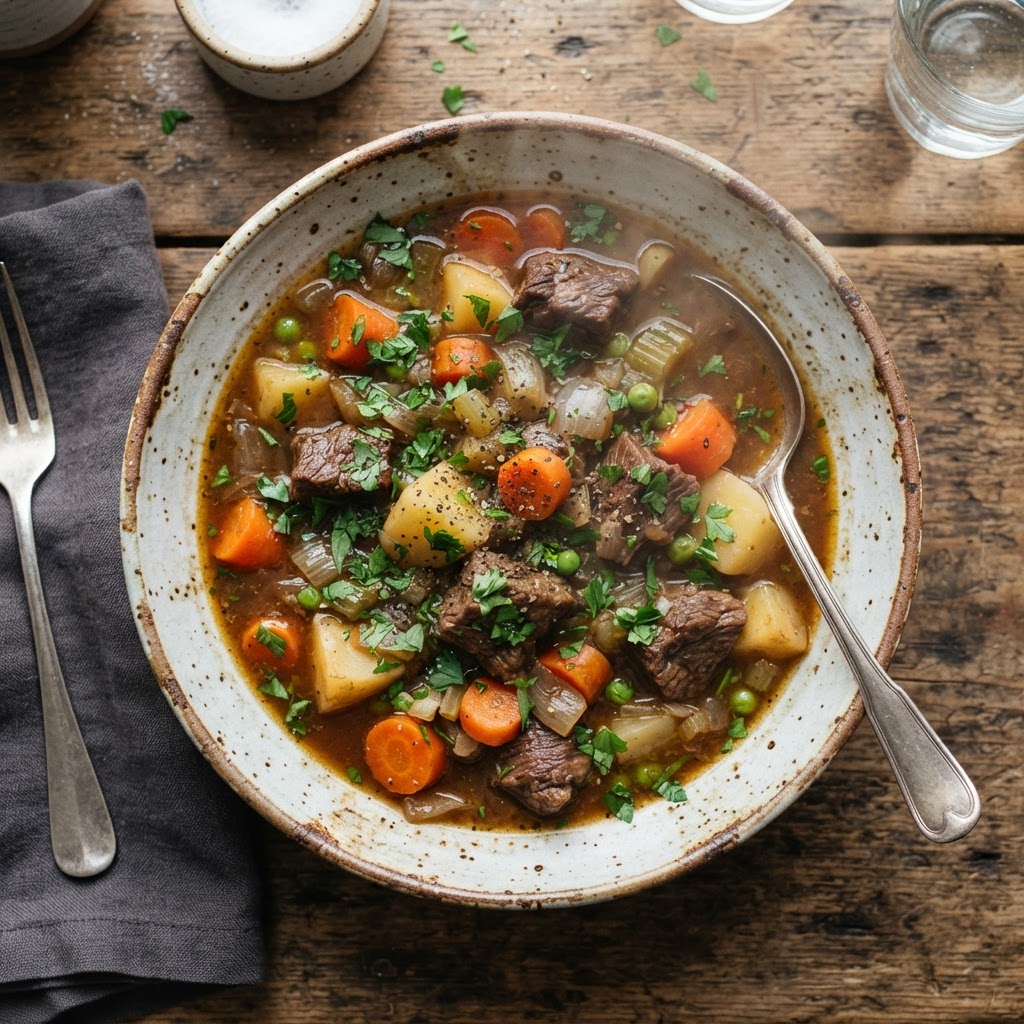
Ingredients You’ll Need
- 2 lbs beef chuck roast, cut into 1-inch cubes
- 3 tbsp all-purpose flour
- 1 tbsp olive oil
- 2 cups beef broth
- 1 tbsp tomato paste
- 1 lb gold potatoes, cut into chunks
- 3 large carrots, peeled and sliced
- 1 medium yellow onion, diced
- 2 cloves garlic, minced
- 1 tsp dried thyme
- 1 bay leaf
- 1 cup frozen peas
Follow this clear, step-by-step guide to prepare this dish perfectly every time.
Essential Techniques for Success
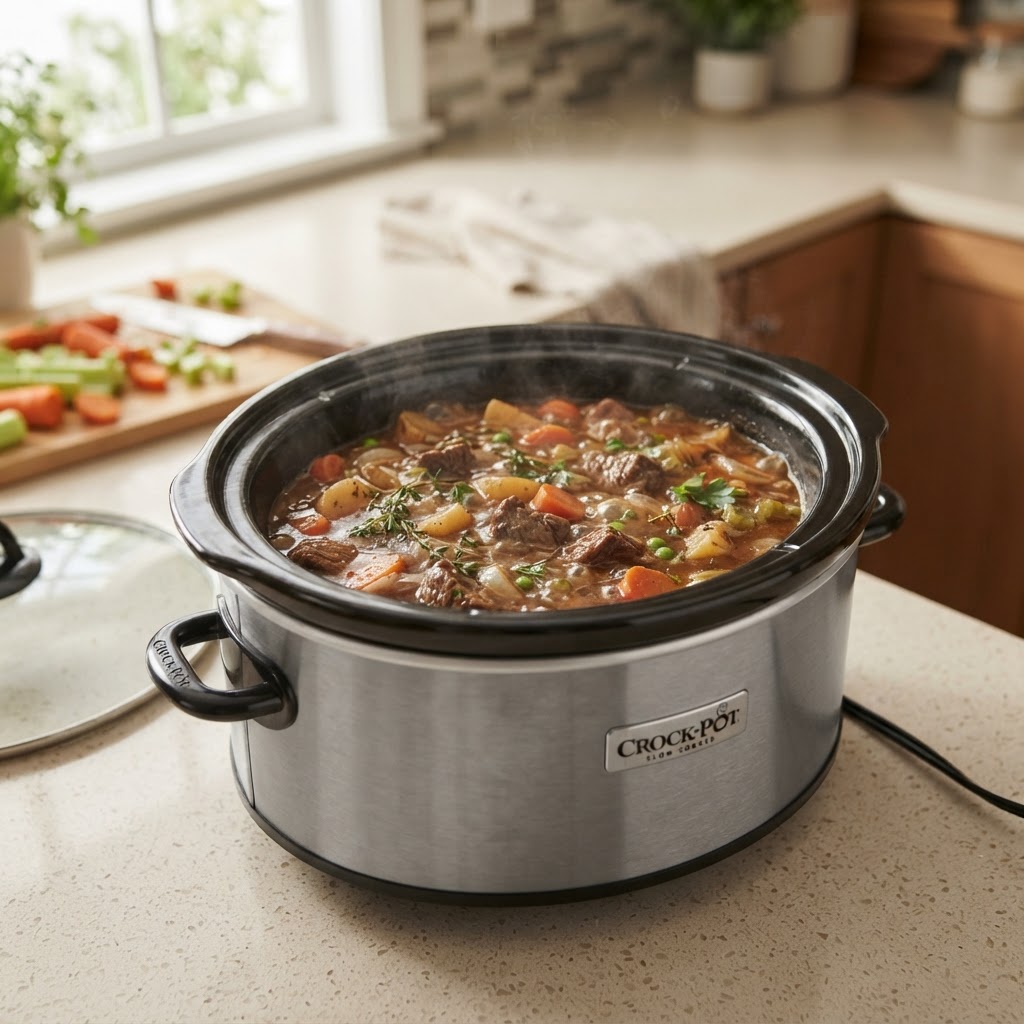
Mastering the art of a thick slow cooker beef stew requires strict attention to the ratio of liquids to thickening agents to avoid a watery result. A light dusting of flour on the raw meat before searing is the most effective way to thicken the sauce naturally as the flour releases into the broth during the 8-hour cook cycle. If you find the consistency too thin after the cooking is complete, you can quickly rectify this by whisking 1 tablespoon of cornstarch with 2 tablespoons of cold water—a method known as a slurry—and stirring it into the hot stew for a final 15-minute simmer. This technique provides immediate viscosity without diluting the flavor profile. Furthermore, the selection of beef is non-negotiable; you must choose a cut with visible fat marbling, such as chuck roast, because leaner cuts will dry out during the extended cooking time. By balancing these technical variables, you ensure the liquid becomes a rich, glossy gravy that clings to the vegetables rather than settling at the bottom of the bowl. Professional chefs often monitor the steam levels during the final hour, as keeping the lid tight ensures that the flavorful aromatics from the thyme and bay leaves infuse the beef completely.
Building Flavor Layers
Building deep flavor in a beef stew requires a strategic, layered approach to aromatics and acidity that balances the richness of the meat. You should start by sautéing your onions and garlic, then deglazing the pan with a splash of broth or red wine to capture the flavorful brown bits left behind after searing the beef. Adding tomato paste early provides a deep, umami base, while dried herbs like thyme and bay leaves should be added at the beginning to allow their essential oils to permeate the proteins during the long cooking duration. To introduce brightness that prevents the stew from feeling too heavy, consider adding a tablespoon of Worcestershire sauce or a teaspoon of balsamic vinegar in the final hour of cooking. These acidic elements help “cut” through the fat, making each bite more palatable and nuanced. The interaction between the caramelized sugars in the tomato paste and the salt in the broth is what creates that signature savory profile. If you are adventurous, adding a splash of Guinness or a dry Cabernet Sauvignon creates a complex flavor hierarchy that distinguishes a homemade meal from a standard weeknight dinner.
Regional Variations and Twists
Whether you are crafting a Guinness Irish stew recipe crockpot, a traditional beef stew in clay pot, or a hearty Hungarian beef stew, the base remains remarkably flexible. You might experiment with beer stew crockpot methods, or even a beef stew with red wine, which adds a sophisticated acidity that cuts through the richness of the meat.
Comfort Food for Everyone
Providing crock pot dinner recipes for family is a breeze with this versatile dish, as it appeals to both picky eaters and adventurous palates. If you want to elevate the presentation, serve a bowl of beef stew with carrots and fresh herbs alongside a crusty loaf of bread. For those who enjoy extra texture, consider a crockpot stew with dumplings, which effectively soaks up the savory gravy. This dish is nutritionally dense and highly adaptable; for instance, swapping traditional potatoes for low-glycemic parsnips or increasing the vegetable volume with celery and mushrooms can easily tailor the meal to specific dietary requirements. For gluten-free needs, simply skip the flour coating and use a gluten-free starch or reduction method to achieve the desired thickness. The beauty of this recipe lies in its capacity for bulk preparation; it actually tastes better the next day after the flavors have had time to meld in the refrigerator, making it an ideal candidate for meal planning. By serving it with fresh, crusty bread or over a bed of mashed potatoes, you provide a complete, comforting meal that satisfies the hunger of both adults and children, proving that high-quality, home-cooked food doesn’t require excessive time in the kitchen.
FAQ
How long should I cook beef stew in a slow cooker?
Cook your beef stew on the low setting for 7 to 8 hours for the most tender, melt-in-your-mouth texture. This duration is necessary to allow the tough collagen in the chuck roast to break down fully into gelatin, which creates the signature silky mouthfeel.
Can I put raw vegetables in the slow cooker with beef?
Yes, you can add raw root vegetables like potatoes and carrots directly into the slow cooker at the start of the process. Simply cut them into uniform 1-to-2-inch chunks so they cook evenly alongside the meat without becoming mushy or overcooked.
How do I thicken the stew if it is too runny?
Create a slurry by whisking one tablespoon of cornstarch with two tablespoons of cold water, then stir it into the stew. Cook on high for an additional 15 to 20 minutes until the gravy thickens to your desired consistency.
Is it necessary to brown the meat first?
Browning the meat before slow cooking is highly recommended because it triggers the Maillard reaction, which develops deep, savory flavor compounds. While you can skip this step in a pinch, you will notice a significant difference in the richness and color of the final gravy.
Can I substitute the beef chuck roast with another cut?
While beef chuck is the gold standard for stew due to its high fat and collagen content, you can use beef round or bottom roast. Note that leaner cuts may result in a slightly firmer texture, so you might want to adjust the cooking time by an hour.